
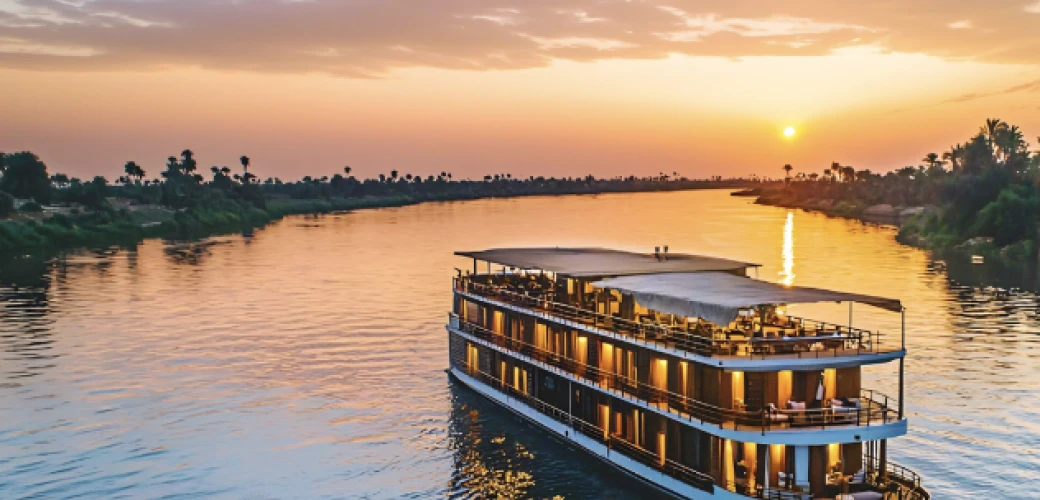
From Luxor to Karnak: Walking Through the World’s Largest Open-Air Museum.
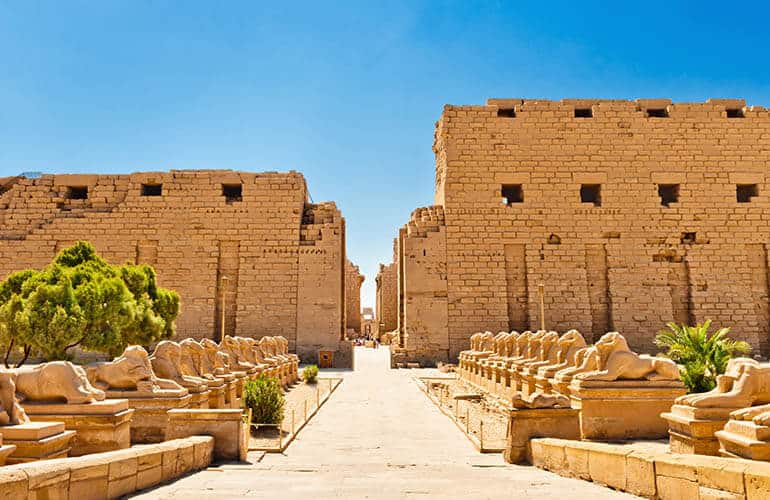
From Luxor to Karnak: Walking Through the World’s Largest Open-Air Museum
When people think of Egypt, the Pyramids of Giza usually steal the spotlight. But if you ask any seasoned traveler in 2026 where the "soul" of Ancient Egypt truly lives, they will point you toward Luxor. Specifically, they will tell you to walk the Avenue of Sphinxes—a 2.7-kilometer ancient processional road that connects the two greatest temple complexes ever built: Karnak and Luxor Temple.
Walking this path isn't just a sightseeing trip; it’s a physical journey through three millennia of human ambition. In 2026, after the full restoration of the avenue, Luxor has officially claimed its title as the world’s largest open-air museum. Here is your ultimate guide to mastering this legendary walk.
1. The Starting Point: The Massive World of Karnak
To do this walk properly in 2026, you have to start at Karnak Temple in the north. Why? Because Karnak is the "Alpha" of all temples. It’s not just a single building; it’s a sprawling complex of sanctuaries, pylons, and obelisks that took over 1,500 years to complete.
The Hypostyle Hall: A Forest of Stone
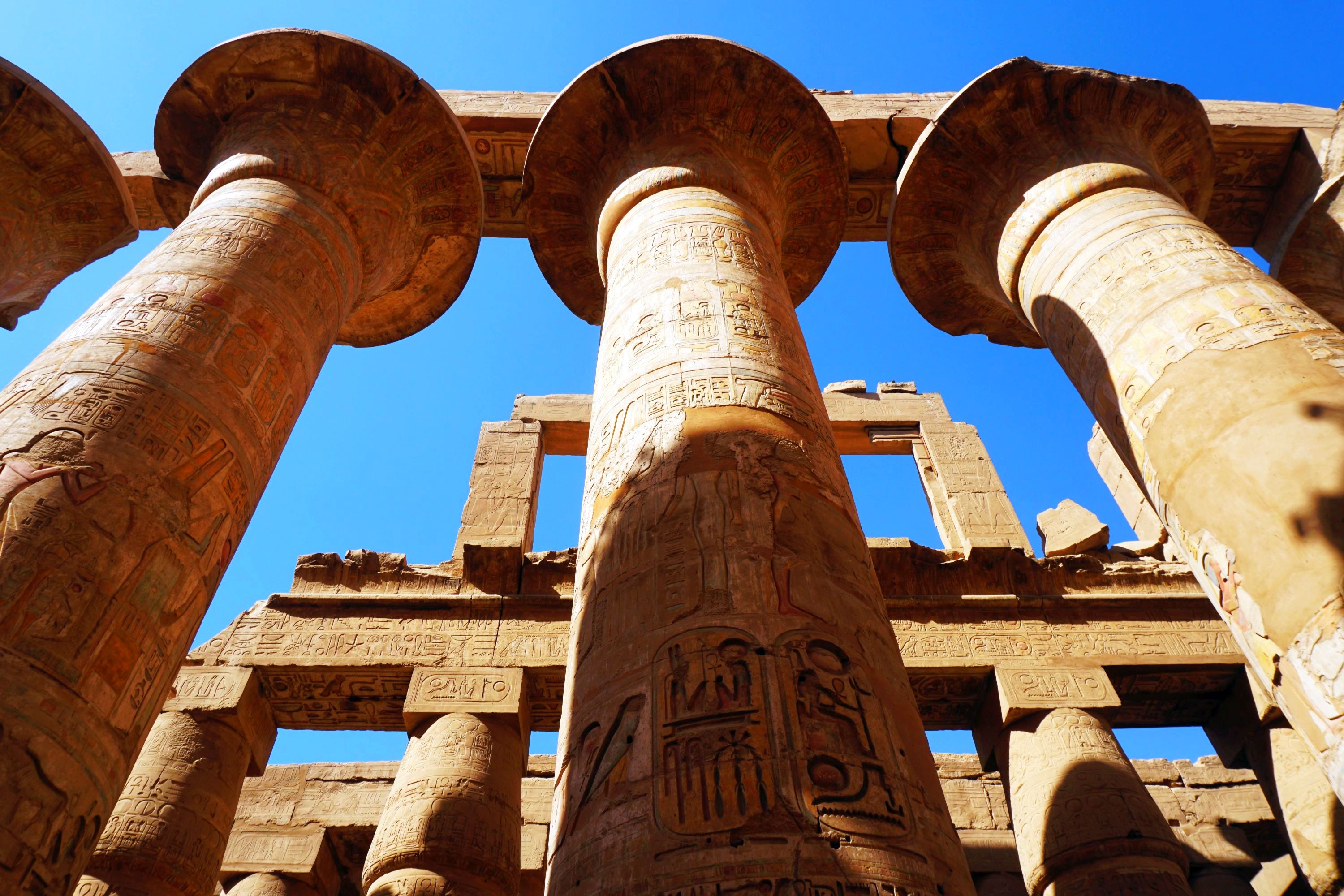
The crown jewel of Karnak is the Great Hypostyle Hall. Imagine standing in a room with 134 massive sandstone columns, each one reaching up to 21 meters high. In 2026, a major cleaning project has been completed, revealing the original red, blue, and yellow pigments that were painted on the stone 3,300 years ago.
For the international traveler, the "human" scale of this place is staggering. You’ll feel like an ant walking through a forest of gods. Pro Tip: Look for the "hidden" carvings of the Pharaohs making offerings to Amun-Ra. If you’re there at 8:00 AM, the morning light hits the hieroglyphs at a 45-degree angle, making them look 3D.
The Sacred Lake and the Scarab
Before you head to the Avenue, walk back to the Sacred Lake. This is where the ancient priests would purify themselves before rituals. In 2026, there’s a small, quiet café nearby where you can grab a cold "Hibiscus" (Karkade) and watch the reflection of the obelisks in the water. Don't forget to walk around the giant Granite Scarab statue three times—local legend says it brings good luck to travelers.
2. Stepping Onto the Avenue of Sphinxes (The Way of the Gods)
Once you’ve had your fill of Karnak’s power, head to the southern pylon. This is where the magic begins. The Avenue of Sphinxes (known locally as Kebash Road) is a 2.7-kilometer straight line that leads directly to Luxor Temple.
A Path Buried for Centuries
For nearly 1,000 years, this road was buried under the mud, homes, and streets of modern-day Luxor. It wasn't until the grand "Opet Festival" reopening in late 2021 that the world saw it fully restored. In 2026, the path is perfectly paved with local sandstone, making it an easy (though long) walk for foreigners.
The Transformation of the Statues
As you walk, pay attention to the statues. At the Karnak end, the sphinxes have Ram heads (representing the god Amun). As you get closer to Luxor Temple, they transform into Human-headed sphinxes. There are over 1,050 statues lining this road. In 2026, the Ministry of Tourism has installed discreet QR codes next to major sections; you can scan them with your phone to see a 3D reconstruction of what that specific part of the road looked like during the reign of Queen Hatshepsut or King Nectanebo I.
3. The Human Side of the Walk: Life Along the Avenue
What makes this walk "100% human" is that it doesn't just exist in a vacuum. The avenue cuts right through the heart of modern Luxor. On either side of the ancient stone, you’ll see local life happening. You’ll smell the fresh bread from a nearby bakery, hear the call to prayer from a local mosque, and see kids playing soccer just meters away from 3,000-year-old history.
In 2026, there are several "Bridge Points" where the modern city crosses over the ancient road. These are great spots to stop and take "bird's-eye view" photos of the procession.
The Station Chapels
Along the walk, you’ll encounter small stone structures called Station Chapels. These were the ancient "rest stops" where priests would set down the sacred barques (boats) of the gods during the Opet Festival. For the 2026 traveler, they serve as a reminder that this road was built for a party—a massive, city-wide celebration of rebirth and fertility.
4. The Finish Line: Luxor Temple at Sunset
If you timed your walk correctly (starting around 3:30 PM), you will reach the entrance of Luxor Temple just as the sun is setting over the Nile. This is, without a doubt, the most romantic and visually stunning moment in Egypt.
The Night-Time Museum
Luxor Temple is the only major site in Egypt that is fully illuminated with professional, museum-grade LED lighting at night. In 2026, the experience is ethereal. While Karnak is about "Awe," Luxor Temple is about "Beauty."
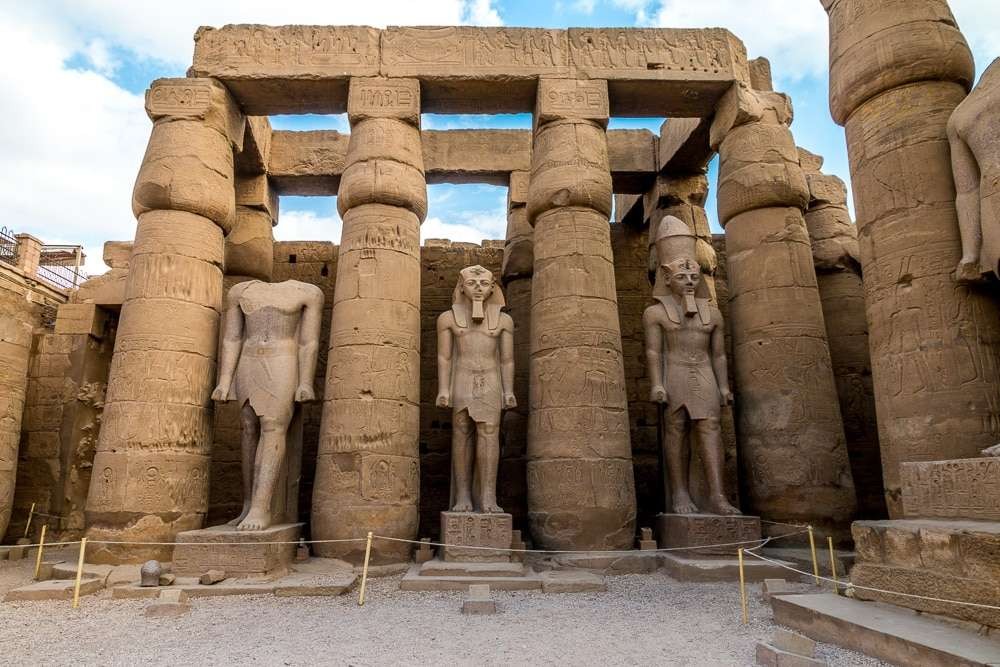
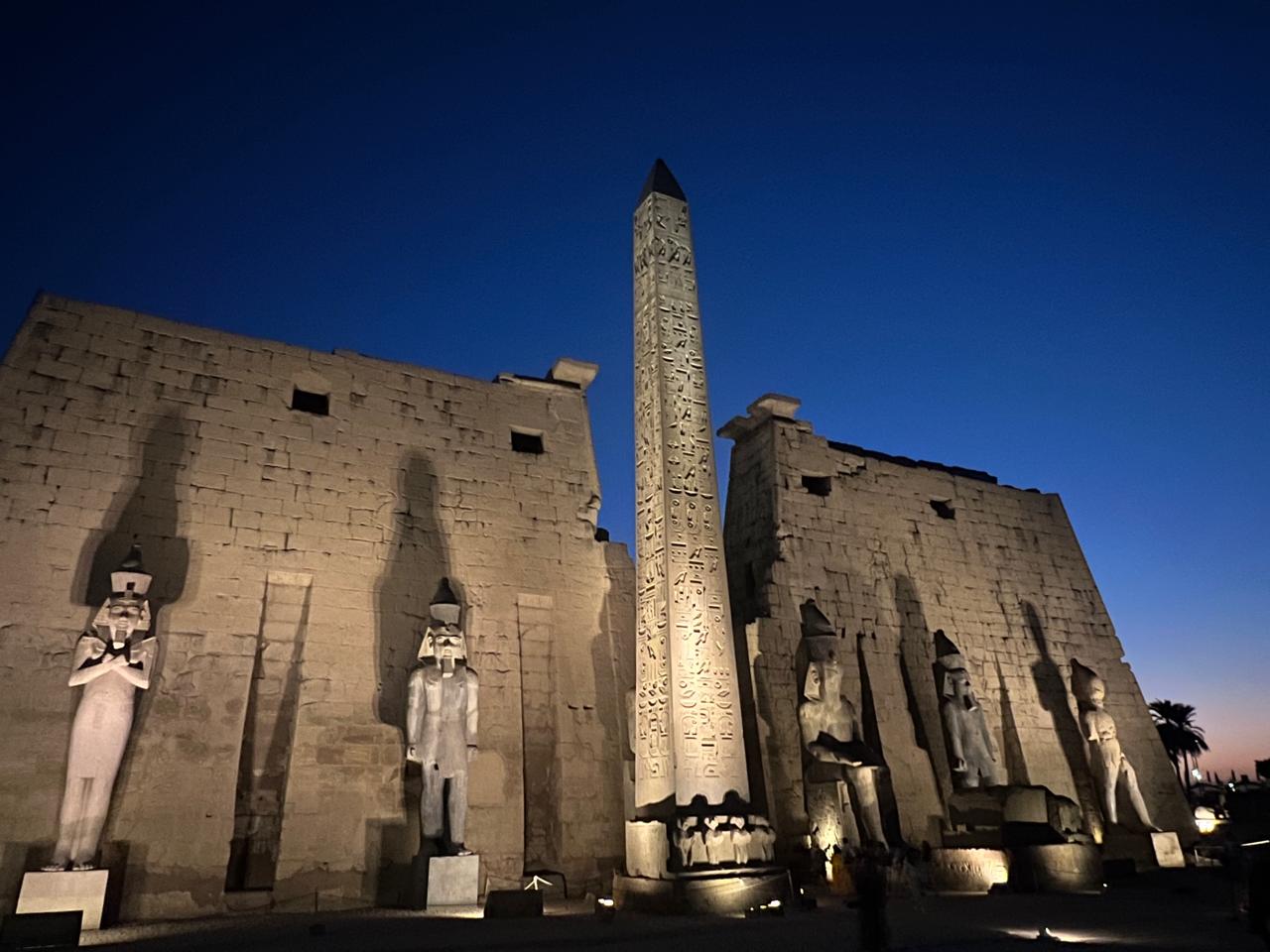
The two massive seated statues of Ramses II at the entrance glow a deep golden hue against the dark blue Egyptian sky. As you walk through the Sun Court of Amenhotep III, the shadows of the papyrus-bundle columns stretch out across the floor, creating a scene that looks like a movie set.
The Mosque of Abu el-Haggag
Look up! One of the most incredible "human" details of Luxor Temple is the Mosque of Abu el-Haggag. It was built in the 13th century AD inside the ruins of the temple, high up on the columns. Because the temple was buried in sand back then, the mosque's entrance was at ground level. Today, it sits "suspended" in the air. It’s a living testament to how Luxor has been a place of worship for 3,400 years without a single break.
5. 2026 Logistics for the International Traveler
To make this 1,200-word guide practical, we have to talk about the "nitty-gritty" details.
| Logistics | Karnak to Luxor Temple (The Walk) |
| Distance | 2.7 km (Approx. 1.7 miles) |
| Total Time | 4-5 hours (including temple exploration) |
| 2026 Tickets | Digital Only. Use the "EgyTickets" app or official portal. |
| Best Starting Time | 3:00 PM (Finish at Luxor Temple after dark) |
| Entrance Fee | Combined ticket available (~1,300 EGP for both) |
Pro-Tips for 2026:
-
The "Hantour" Hack: If your legs start to give out halfway through the Avenue of Sphinxes, there are designated "Exit Gates" where you can hop out and grab a Hantour (horse-drawn carriage). In 2026, these are strictly regulated with fixed prices—expect to pay around 250 EGP for a ride to the city center.
-
Connectivity: The entire Avenue of Sphinxes now has Free Public Wi-Fi for tourists (though it can be slow). It’s better to have your own eSIM (Orange or Vodafone) for real-time navigation and uploading those sunset stories.
-
Hydration & Sun: There is zero shade on the Avenue. Even in 2026, the Luxor sun is a beast. Wear a wide-brimmed hat and carry at least 1.5 liters of water.
-
The Luxor Pass: If you are staying in Luxor for more than 2 days, the Luxor Pass is a no-brainer. It covers both temples and the Avenue, plus the Valley of the Kings.
Why This Walk is the Ultimate 2026 Experience
The walk from Luxor to Karnak is more than just a tour; it’s a meditation on time. In a world that feels increasingly digital and fast, walking a path that has been trodden by Pharaohs, Roman soldiers, early Christians, and medieval travelers puts everything into perspective.
In 2026, Luxor has found the perfect balance between preserving its ancient stones and providing modern comfort for its international guests. Whether you are a history nerd, a photography lover, or just someone looking for a bit of magic, the Avenue of Sphinxes is where you will find it.



-webp.webp "Hilton")
-webp.webp "dusit")
-webp.webp "Marriott Hotels")
-webp.webp "Azimut Hotel")
-webp.webp "Golden Tulip")
-webp.webp "sheraton")
-webp.webp "westin hotel")
-webp.webp "Movenpick")