


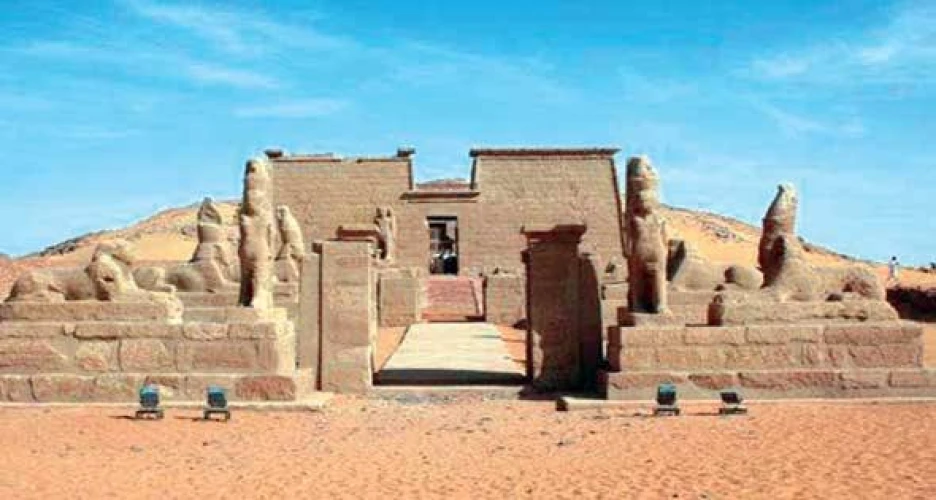
Wadi El-Sebua: The Hidden Jewel of Nubia Guarded by the Lions of the Nile
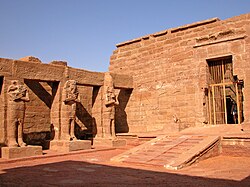
Wadi El-Sebua: The Hidden Jewel of Nubia Guarded by the Lions of the Nile
The Temple of Wadi El-Sebua stands as one of Egypt's most significant archaeological sites, which exists in the center of the mysterious Nubian desert at the point where golden sands touch the deep blue water of Lake Nasser. Wadi El-Sebua provides visitors with a more personal and sacred experience that reveals the enduring presence of Ramses II, while Abu Simbel maintains its position as a popular tourist destination. The "Valley of the Lions" serves as the ideal destination for travelers who want to avoid busy areas in Luxor and Cairo because it provides an authentic travel experience that allows visitors to experience history through the quiet atmosphere of the desert. The team at New Travel Dynamics considers true luxury to exist in these unique travel experiences which connect ancient legends with contemporary exploration.
Decoding the Valley of the Lions: A Name Forged in Stone
The Arabic name "Wadi El-Sebua" translates literally to the "Valley of the Lions,"a title that becomes immediately clear as one approaches the temple's grand entrance. The site is famous for its majestic dromos which serves as a processional way that extends between two rows of sphinxes. The Nubian statues show a different design than the traditional Giza sphinxes because they display a lion body with the head of Pharaoh Ramses II who represents the king's complete ability to guard his southern borders. The stone guardians create a pathway that leads visitors to experience the sacred space of the gods after departing from the desert's harsh conditions. The structure demonstrates ancient psychological design principles which create an atmosphere of respect for New Kingdom strength.
The Architectural Genius of the Semi-Speos Temple
The Wadi El-Sebua site displays a unique architectural style which combines elements of two different architectural traditions through its design as a "semi-speos" structure. The temple construction used sandstone blocks for its outer walls and the mountain's natural rock material for its inner walls. The design approach displays Egyptian architectural principles because it follows their belief that "Living Mountain" rocks function as sacred religious objects. The outer areas of the courtyards together with the pylons create an impressive entryway that leads to the inner sanctuaries which include the Holy of Holies that architects built deep into the ground. The temple provides a unique sensory experience through its progression from bright light to complete darkness which enables visitors to experience both built structures and natural rock formations. The Wadi El-Sebua site stands as an archaeological site which demonstrates how engineers built structures that enabled Ramses II to control the Nubian territory for sixty years.
Ramses II: A Legacy Dedicated to Amun-Ra and Ra-Horakhty
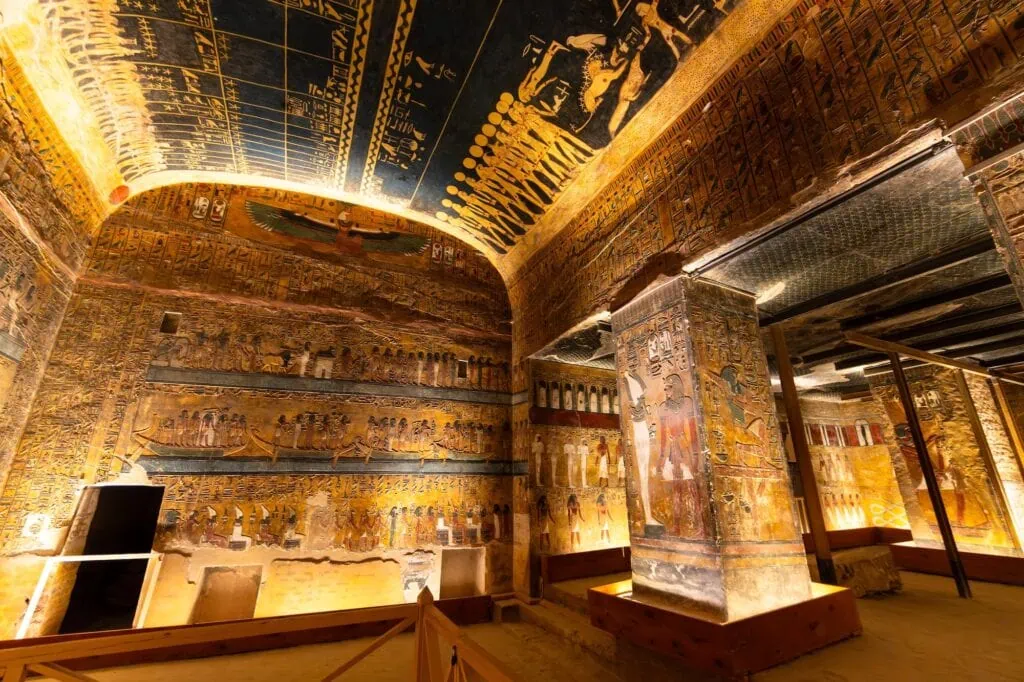
Ramses II built this temple in his 44th reign year to honor Amun-Ra, the King of the Gods, and Ra-Horakhty, the rising sun god, whom Egyptians considered their most important deities. The Pharaoh established himself as a deity through his temple construction, which followed the standard practice of the Ramesside dynasty. The reliefs show the King standing equal to the gods, which the Nubian population needed as a political demonstration of how Egyptian rulers held divine authority. The modern traveler will find these carvings to be an exceptional display of how religion and statecraft interacted during that time period. The stone inscriptions contain precise designs which guarantee that people will continue to worship the "Great Ancestor" after he passed away, which established his reputation as history's most significant builder.
A Vivid Palette: Preserving the Colors of the Ancient World
The original pigment from Wadi El-Sebua remains intact on its deep reliefs which represent its most remarkable attribute. The inner chambers of this Nubian gem remain vibrant because the temple escaped color loss which affected most Nile Valley temples through centuries of exposure to wind and sun. The protected space reveals three colors which military victors and divine worshippers used to create their visual stories from the past. The colors were created by processing natural minerals into powder form which designers combined with binding materials that have stayed intact for 3000 years. The temple shows its original appearance through its colors which help us see the ancient site as it existed to the past people who visited it because they experienced a complete visual display of power which made the temple seem like a real divine space.
The Coptic Metamorphosis: A Sanctuary for Early Christianity
The historical narrative of Wadi El-Sebua continued beyond the time when the Pharaohs ceased to rule. The Coptic monks transformed the temple into a church during the early Christian era through their dedicated work. The monks used plaster to hide pagan reliefs which they decorated with painted images of saints and biblical figures in their effort to create a Christian worship space. The act of censorship which intended to hide ancient Egyptian art actually functioned as a protective measure for the artwork. The museum presents an unusual cultural palimpsest which displays an Egyptian god's head alongside a saint who bears a halo. The particular way sacred spaces have been reused through different cultures throughout history shows how faith systems have developed in Egypt.
The Great Rescue: A Modern Miracle of Engineering
The 1960s constituted a critical moment in Wadi El-Sebua's development. The temple faced destruction when the High Dam construction created Lake Nasser which flooded the area. An extraordinary global initiative through UNESCO International Campaign was established to protect Nubia's cultural heritage. The engineers and archaeologists carefully took apart the temple system to transport it complete to a higher location which stood 4 kilometers away. The project required mechanical power but it served as a worldwide demonstration of solidarity. The relocated site shows a perfect reconstruction which makes it difficult to believe that workers transported the massive stone structure through the desert to escape the rising tides.
The Luxury of Silence: Reaching the Temple via Lake Nasser
Visitors need to travel by boat to reach Wadi El-Sebua because this location does not have any other access points. New Travel Dynamics values both the journey and the destination as equal components of their travel experience. Lake Nasser offers two exclusive travel options, which include private Dahabiya sails and luxury cruise ships, because they allow travelers to experience complete seclusion from all land-based locations. The water approach to the temple site creates a breathtaking view which shows the temple rising from the desert landscape. This location lacks active marketplaces and crowded public spaces; it only presents the natural sounds of wind and water movement. The unique nature of Wadi El-Sebua makes it an ideal destination for high-end travel which requires deep meditation during both 2026 and 2027.
Why Wadi El-Sebua is Essential for the Modern Traveler
Wadi El-Sebua exists as a genuine exploration site during the present time which includes widespread travel to all destinations. It appeals to the traveler who values depth over speed and storytelling over snapshots. The temple presents a complete Egyptian historical representation through its capacity to connect the New Kingdom stories with Coptic heritage and modern UNESCO engineering achievements. The artwork challenges our understanding of time while showing us how easily cultural things can disappear. A visit to this valley of sphinxes serves as an essential experience which helps people discover the authentic essence of Nubia.
New Travel Dynamics: Your Gateway to the Hidden South
New Travel Dynamics specializes in Egyptian tourism and digital storytelling to promote lesser-known travel destinations for global visitors. Our specialized tours for the 2026-2028 seasons are designed to highlight the historical nuances of sites like Wadi El-Sebua, ensuring that our guests receive expert guidance and unparalleled service. The process of tour booking requires us to create complete stories about our clients. Our team provides complete travel experiences which showcase both Ramesside archaeological sites and the tranquil charm of Nile cruises to our clients. We will take you to experience the authentic essence of "Valley of the Lions" beyond what postcards offer.
A Call to Adventure: Preserving the Magic of Nubia
The future of travel depends on our ability to protect and value these fragile locations. Wadi El-Sebua exists as a precious artwork which remains open to destruction from environmental shifts. Our choice of sustainable and superior tourism practices will help us maintain the ongoing preservation of these world heritage sites. We invite you to join us on an expedition to the south, to walk the path of the dictators and the deities, and to witness the sun rise over the sphinxes of Wadi El-Sebua. The journey to Egypt offers you an experience which will remain with you for your entire life.




-webp.webp "Hilton")
-webp.webp "dusit")
-webp.webp "Marriott Hotels")
-webp.webp "Azimut Hotel")
-webp.webp "Golden Tulip")
-webp.webp "sheraton")
-webp.webp "westin hotel")
-webp.webp "Movenpick")
