
The Two Lands as One: The Epic Story of Egypt’s Unification
The Sema Tawy: A Biological Blueprint for a Unified Nation
The Sema Tawy symbol has represented Egypt for more than 2000 years because it shows two lungs and a windpipe which connect through a lotus flower and papyrus plant. The natural visual display depicts a political system which exists beyond its existing boundaries. The beachfront area which contains scattered lines developed into the first authentic nation-state in history. The Egyptian junction story from 2026 shows how people separate their world into two separate parts. The story refines human identity through an epic which explores our existence. The tale describes how Upper Egypt and Lower Egypt established their first peaceful relations which led to their shared future development.
The Pre-Dynastic Mystery: A River of Two Divergent Worlds
The Pre-Dynastic Mystery A River of Two Worlds The Swash came first before Pharaoh emerged as a ruler. The swash experienced different sensations at different locations. The region known as Upper Egypt The South Ta Shemau included a territory which contained a valley between two steep desert cliffs.
The White Crown and the Shark: Symbols of the Southern Warriors
The White Crown and the shark represented the people of this territory. The Nile followed its normal pattern of rising water which scientists used to measure. The North African territory known as Lower Egypt The North Ta Mehu includes the Delta which features a vast green landscape that extends until the Nile divides into seven channels which flow to the Mediterranean Sea.
The Red Crown and the Delta: Trade, Swamps, and the Northern Merchant
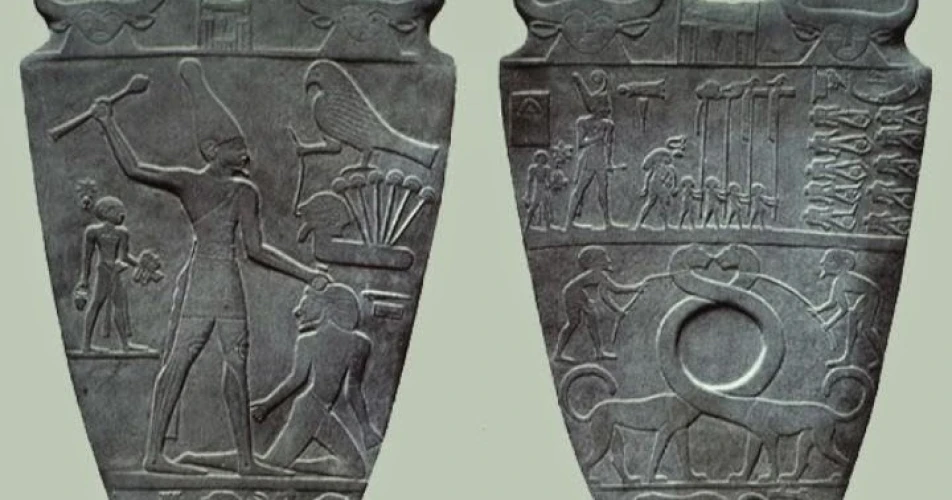
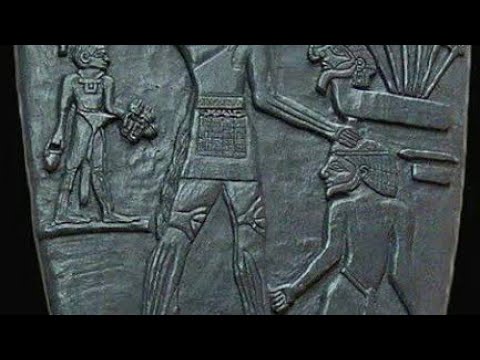
The Red Crown and the Cobra symbolized the people of this territory. People used trade routes which included swamps to reach destinations that connected to the open ocean. For many years these two territories engaged in combat with each other. The two groups shared common language and religious practices but they maintained their separate identities. The South was the territory of hunters and warriors while the North served as the home of agriculturalists and trade people. The Man Who Wore Two Crowns The Legend of Narmer The South brought forth a man around 3100 BCE who would shape human history through his actions.



-webp.webp "Hilton")
-webp.webp "dusit")
-webp.webp "Marriott Hotels")
-webp.webp "Azimut Hotel")
-webp.webp "Golden Tulip")
-webp.webp "sheraton")
-webp.webp "westin hotel")
-webp.webp "Movenpick")