
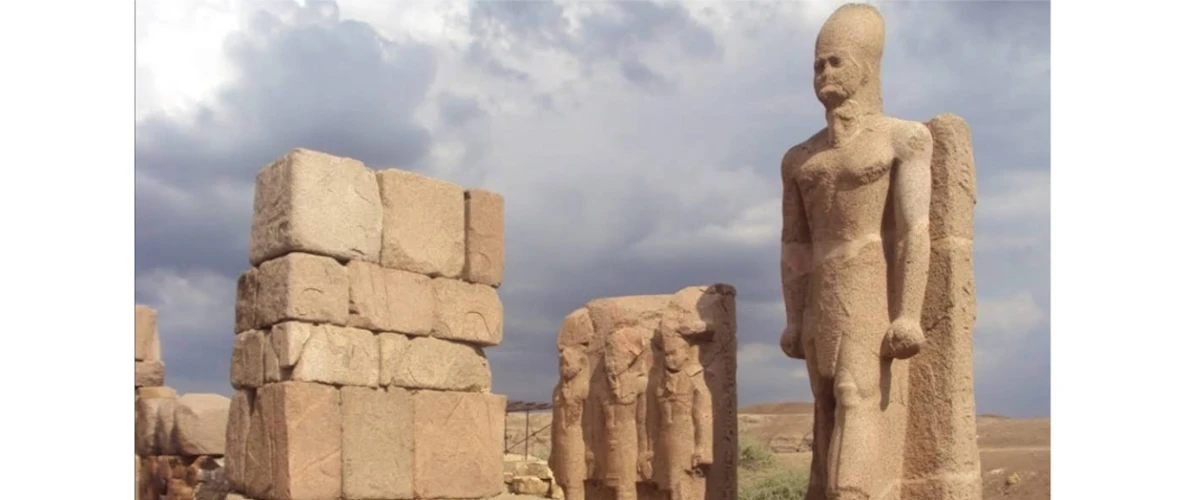
The Silver Pharaohs: The Sunken Splendor of San al-Hagar
The world stands at the brink of World War II during the year 1939. The Egyptian Delta contains a French archaeologist named Pierre Montet who conducts his archaeological work at San al-Hagar. Montet discovers material evidence which proves to be more important than any historical record currently exists about an Egyptian royal cemetery which contains treasures of gold and jewels and the unique metal silver.
When 2026 arrives our thoughts about "Egyptian Treasure" will lead us directly to the Valley of the Kings and Tutankhamun's golden mask. The story of the Silver Pharaohs from Tanis shows human resilience because it tells about recycling and the defiant nature of the people who opposed their empire's decline.
1. Tanis: The City Built of "Second Chances"
The Great Ramses glory started to fade about 1070 BCE when the 21st Dynasty began to rule. The Nile had shifted its course, leaving the old capital of Pi-Ramses high and dry. The new kings needed a capital, but they didn’t have the limitless wealth of the Old Kingdom.
The Great Recycling: The Tanis kings improved the modern recycling system by using their existing stone resources instead of mining new stone materials. They relocated the huge obelisks and gigantic granite statues together with thousands of stone blocks from Pi-Ramses ruins to construct Tanis (San al-Hagar).
The "Lego" City: The name of Ramses II appears everywhere in San al-Hagar today, but he never actually visited the site. The Silver Pharaohs used historical "uprooting" to construct their future. The city existed as a space that combined recollections and illegally obtained physical materials.
2. Why Silver? The Metal of the Moon
The Egyptians regarded gold as the "Flesh of the Gods" during their ancient times. The Nubia mines provided a large supply of silver. The situation for silver in Egypt showed different results.
Egyptian territory contained no native silver mines because gold remained more common. Greece and Anatolia served as the sources from which every single ounce of silver needed to be obtained. Silver held greater worth than gold during an extended time period which marked Egyptian history.
The "Bones of the Gods": If gold was the sun (Ra), silver was the moon (Thoth or Khonsu). The Tanis Pharaohs selected silver coffins as their burial choice which they used for their funeral rites.
Most treasures in the Delta area undergo destruction or loss of value because of the wet and salty conditions. The silver coffin from the Psusennes tomb showed a falcon-headed god design which emitted an otherworldly light that resembled a ghostly moonlight.
3. Psusennes I: The King Who Outlasted Time
The "star" of San al-Hagar is undoubtedly Psusennes I. The tomb of Psusennes I stands as one of the rare complete royal tombs which exist from Egyptian history. The tomb of Tutankhamun had been robbed two times during ancient times.
The Silver Falcon: His coffin is a masterpiece of metallurgy. The silver sheets had to be hammered into the detailed features of a protective deity which required many man-hours.
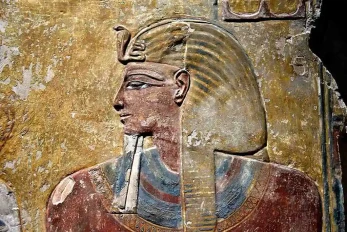
The Golden Mask: While his coffin was silver, his face was covered in a gold mask. The artwork displays a face which shows human expression through its slight smile and its wide eyes which have heavy eyelids. The face belongs to a man who maintained unity across a divided Egypt.
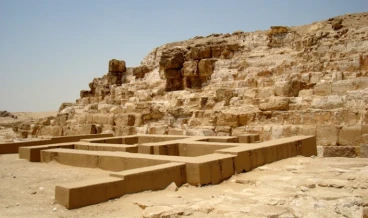
The "Delta King" Style: The kings understood that their burial site needed to maintain above ground visibility because the Delta region experienced constant wet conditions. The kings constructed their burial sites within the Amun temple precincts which extended beneath the temple area. The priests would protect their burial sites because they required a method to reach their tombs.
4. The Shadow of War: The Discovery That the World Forgot
The tragedy of San al-Hagar shows its most human aspect because people choose to ignore it yet they discuss Luxor more frequently.
Pierre Montet discovered his most important finding during February 1939. World War II started in September. The "Silver Pharaohs" news got buried beneath reports about military attacks and aerial bombings.
The Silent Hero: Howard Carter achieved worldwide fame through his work on King Tut while Pierre Montet operated in background obscurity until war forced him to abandon his tools.
People finally recognize Tanis today as it should be recognized. The location from "Indiana Jones" serves as an archaeological site that demonstrates how Egyptian culture continued to flourish after the end of its Imperial era.
5. The Site Today: San al-Hagar’s Granite Ghost Town
The experience of visiting San al-Hagar in 2026 differs from the experience of visiting the Karnak temples which have many visitors.
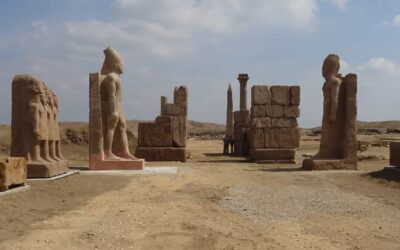
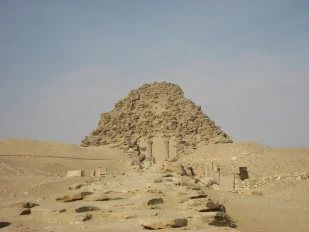
The Chaos of Giants: The site is a "scattered" city. The massive statues of Ramses II rest on their backs in the grass because they were constructed from recycled materials and because their area suffered from multiple earthquakes and floods throughout the centuries.
The Silence: Unlike the tourist hubs, you can often stand in the middle of the Royal Necropolis of Tanis and hear nothing but the wind. The area gives visitors the impression that "Silver Pharaohs" maintain their hidden knowledge.
The Indiana Jones Myth: Pop culture says the "Well of Souls" is here. The movie presented fictional content, yet the experience of discovering an ancient city buried under sand remains completely authentic.
6. The Legacy of the Silver Pharaohs
The architectural beauty of San al-Hagar demonstrates to us the essential nature of human resilience. The 21st Dynasty kings maintained their authority over their Egyptian territories but they did not achieve the same level of wealth which their predecessors possessed.
Sustainability: They established themselves as the first large-scale conservationists who operated throughout the world. The family members moved their ancestral monuments to protect them from the Nile River which was about to bury their original location.
Artistic Bravery: Silverwork presents greater challenges than goldwork because of its increased difficulty. Metalworking requires both higher temperatures and precise hammering techniques. The Silver Pharaohs expanded the limits of what could be achieved.
7. The Lunar Glory
The Egyptian site of San al-Hagar functions as the "Sunken Splendor," not because it lies beneath water, but because its existence was erased from global memory. The Silver Pharaohs show how the New Kingdom's bright sunlight developed into a cultural understanding that used silver light to face new challenges.
The treasures of Tanis reveal more than their monetary value to us. The artwork shows royal authority, which soldiers through any empire's destruction because it remains intact. The silver will continue to shine even when the gold becomes scarce.
The ancient site of San al-Hagar demonstrates that people can create new beauty through their efforts to rebuild their world in 2026, while silver, which represents moonlight, possesses its own special enchantment.



-webp.webp "Hilton")
-webp.webp "dusit")
-webp.webp "Marriott Hotels")
-webp.webp "Azimut Hotel")
-webp.webp "Golden Tulip")
-webp.webp "sheraton")
-webp.webp "westin hotel")
-webp.webp "Movenpick")