
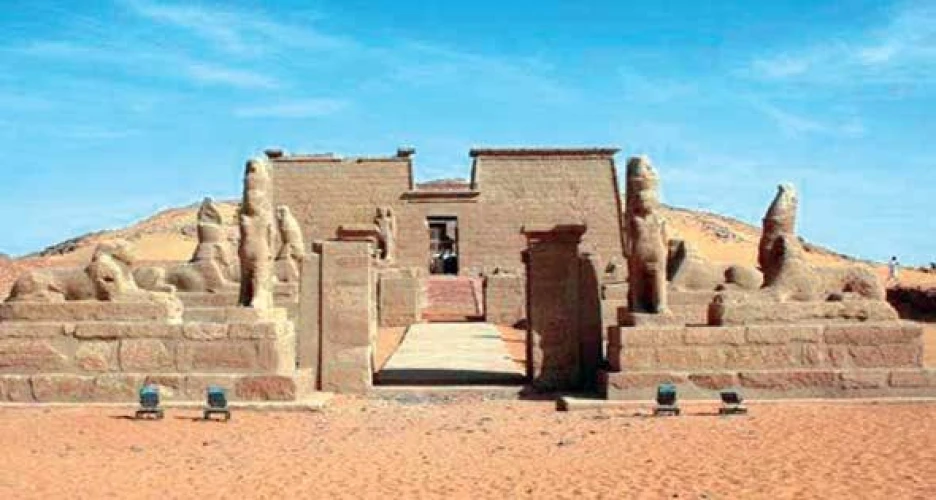
The Sacred Pilgrimage to Abydos: Journeying to the Heart of Osiris
The ancient Egyptians considered their pilgrimage to Abydos as the most important event that followed them through their existence and their subsequent death. The sacred site in Middle Egypt, which was called the "Mecca of Antiquity," served as the main religious center for the Osiris cult, which worshipped the god who brings people back to life. Thebes provided its political splendor while Heliopolis delivered its solar energy resources, but Abydos created a personal experience through its guarantee of everlasting existence. Modern travelers and history enthusiasts can discover Abydos through its ancient pilgrimage, which turns a typical temple visit into a deep study of religious belief. The team at New Travel Dynamics establishes experiences through which our customers can follow the same limestone pathways that ancient pilgrims used for three thousand years.
The Mythological Foundation of the First Pilgrimage
Abydos maintains its sacred status because it contains the most ancient Egyptian myth which tells the story of Osiris' murder and resurrection. Isis retrieved all of Osiris' body parts which his brother Seth had scattered after he killed him according to the legend. The people believed that his head, which contained his thinking abilities, was interred at Abydos. The city functioned as a "relic site" which possessed the highest level of sacredness. The pilgrimage to Abydos became an essential religious practice during the Middle Kingdom period. All Egyptians imagined visiting this sacred site to witness the "Mysteries of Osiris" which presented theatrical performances that displayed the victory of life over death because this would enable them to achieve "justification" at the Ma’at judgment hall.
The Eternal Presence: Why Every Pharaoh Sought Abydos
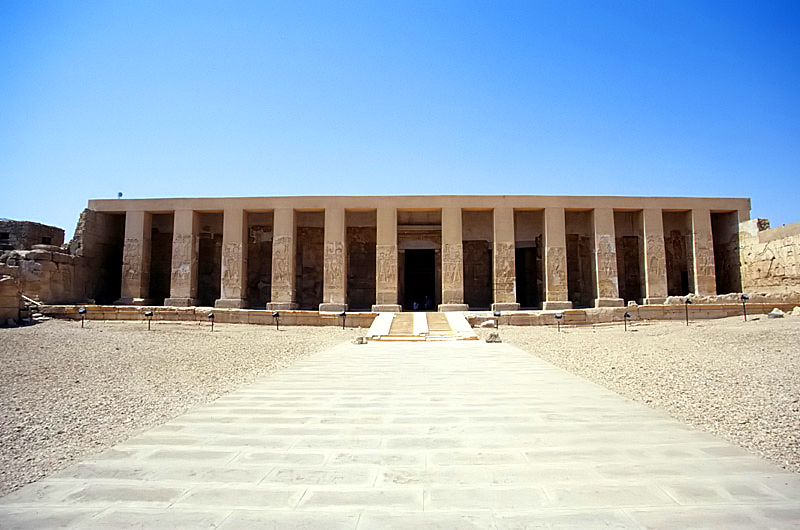
The pilgrimage wasn't just for commoners; it was a royal mandate. From the First Dynasty to the Roman era, Pharaohs felt a divine obligation to leave their mark on Abydos. Seti I, the most advanced builder of 19th Dynasty temples, built his Great Temple as a worship site that would function as an everlasting connection to his forebears. Seti I chose the site of his temple because it was an ancient pilgrimage location to make sure his spirit would always participate in the Osirian rebirth cycle. The Temple of Seti I provides today’s sophisticated traveler with an opportunity to witness the artistic excellence achieved through the combination of royal ambition and religious devotion which produced the Nile Valley's finest bas-reliefs.
The Rituals of the Pilgrimage: A Journey of Transformation
People used to schedule their pilgrimage to Abydos during the major religious celebrations of the deity. The boaters reached the location while carrying their sacred presents which included beer and bread and linen. The test represented the path which a soul must take to reach the underworld. The pious performed ceremonies to "open the mouth" of the dead body or its statue which enabled the deceased to access all their senses in the next world. The temple's inner sanctums reveal the complete depiction of all rituals which took place there according to their wall designs. The bright colors and fine carvings serve as decorative elements which preserve the sound of sacred songs and the smell of incense and the united faith of countless people who found redemption near the "Staircase of the Great God."
The Osireion: The Ultimate Goal of the Ancient Pilgrim
The Osireion which functioned as the ceremonial tomb of Osiris stands hidden behind the Seti I temple. The ancient pilgrim considered this location to be the most sacred place of worship. The huge granite columns together with the water bodies around them created an environment that resembled the first land which emerged during creation. The Osireion which exists today still stands as one of the most mysterious and sacred locations throughout all of Egypt. The temple design of the building does not match typical architectural patterns which existed during its construction period because designers wanted to create a feeling of "deep time" throughout the space. The Osireion allows New Travel Dynamics guests to experience peaceful worship through its waters which create a private sanctuary that exists beyond the noisy activities of contemporary tourism.
Symbolic Burial: Leaving a Mark in the Sacred City
For those who could not be physically buried at Abydos, the next best thing was to leave a "Stele" or a cenotaph a symbolic tomb. The monuments functioned as everlasting representatives who permitted the deceased to attend the Osiris festivals throughout eternity. The practice established Abydos as a massive area which preserved all its historical events. The "King List" displays this practice because Seti I shows his respect for all his royal ancestors. The pilgrimage experience reached its essential nature through this act of remembering. Our guests visiting Abydos receive guidance to understand how past events connect with present times while practicing respectful travel to the site which serves as a continuous link to human history.
Abydos in the 2026 Season: A Return to Slow Travel
The upcoming travel seasons for 2026 and 2027 have created an unprecedented demand for "Slow Travel" and niche historical sites. The traveler who has finished visiting the Pyramids needs to go to Abydos because it provides the complete experience of Egyptian culture. The site maintains its tranquil atmosphere because it exists beyond the main tourist areas. New Travel Dynamics uses specialized itineraries which present Abydos as a contemporary pilgrimage destination that provides visitors with a day to explore its desert beauty through its storytelling and artistic displays and peaceful desert environment. The experience invites visitors to unwind while they listen to ancient historical accounts which limestone walls have concealed for millennia.
The Technical Artistry of the Abydos Reliefs
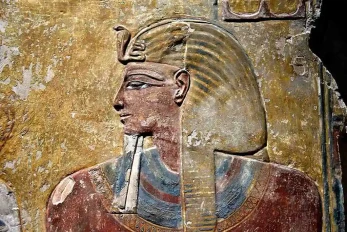
The pilgrimage to Abydos presents its most attractive visual experience through its exceptional artistic works. The reliefs of the Seti I temple represent the highest standard of Egyptian artistic achievement. The art at Abydos shows intricate and delicate design work which represents a different aesthetic approach than the later Ramesside period's deep and bold carving style. The artist created every muscle and every garment and every ritual object with complete lifelike accuracy to achieve his goal of making the stone artwork come to life. The modern photographer and art lover can find infinite chances to photograph ancient beauty at these walls which maintain their original bright colors.
Planning Your Visit: The Gateway to the Afterlife
Visitors to Abydos should combine their trip with the adjacent Temple of Dendera which establishes a complete "Temple Trail" throughout Middle Egypt. The site requires visitors to take a private air-conditioned transport service which includes an expert Egyptologist who will explain the intricate religious artwork found within the pilgrimage site. Visitors to Abydos should make this site their main attraction because it serves as a meeting point between historical events and mythological stories and personal exploration. New Travel Dynamics invites you to experience our reopening of the route that leads to the sacred southern regions which will take you through the historical entry point into the timeless beauty of the "Valley of the Kings' Ancestors."



-webp.webp "Hilton")
-webp.webp "dusit")
-webp.webp "Marriott Hotels")
-webp.webp "Azimut Hotel")
-webp.webp "Golden Tulip")
-webp.webp "sheraton")
-webp.webp "westin hotel")
-webp.webp "Movenpick")