
-webp.webp)
The Palette of the Soul: Decoding the Sacred Language of Color in Ancient Egypt
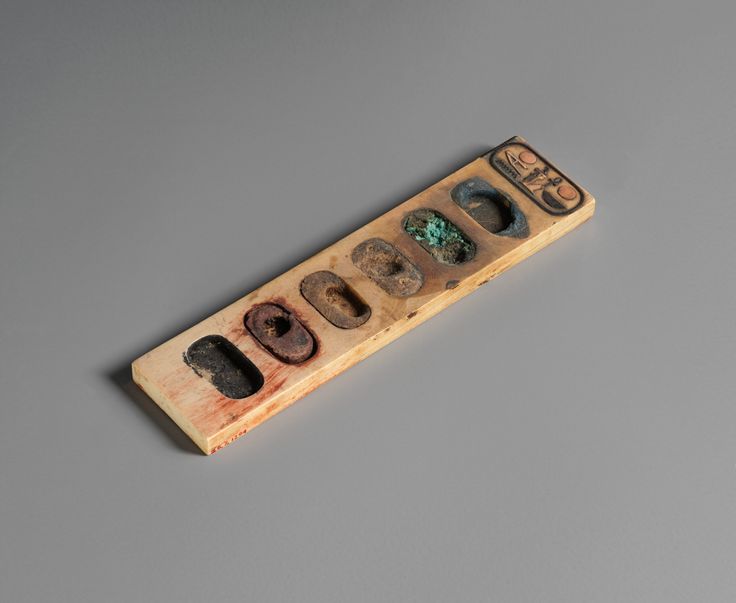
Ancient Egyptians considered color to be an essential element of their actual world instead of using it for decorative purposes. The green splint to them represented a physical manifestation which brought forth life and restoration. The people perceived "gold" as a radiant substance that contained the actual existence of deities. The Iwen color term in their language functioned as a word which described personal attributes of people. Color identification for objects required people to explain their essential character through its fundamental nature.
The Egyptian "Palette of the Soul" presents an opportunity to experience authentic sight which will advance our world toward a clean future without artificial contamination and artificial lights. The Valley of the Lords sepultures contained a set of tinge colors which functioned as invisible prayers that conveyed messages to help spirits journey through the afterlife with transparency.
1. The Alchemy of the Palette: Mining the Earth for Meaning
The Egyptians achieved expertise in mineralogy. They base up the earth itself because they did not use organic colorings that would fade. The grave moment displays colors which appear to have been painted throughout history.
The people used malachite for green and azurite for blue and ochre for reds and yellows and galena for the deep black eye makeup. The Intent By using minerals, they were making the art eternal. The artists used earth materials which they called "bones" to create paintings that would protect their souls from death.
The 2026 Connection moment, we call this" color ch astity, "but for them, it was a spiritual necessity. They believed that the material contained within the object determined its color power.
2. Wadj (Green): The Color of the Eternal Spring
The appearance of a grave figure showing green skin most apparently refers to Osiris because they manifest as living beings who exist beyond human comprehension.
The Symbolism Green represented the color of leaves and the Nile flood waters and the "Wadj" papyrus factory. The color green" symbolized new life. The "Eye of Horus" Green was used to represent both healing and protective powers. The state of being "Green " described people who enjoyed good health and robust physical condition.
Humanized Meaning The first green shoots which emerge after dry periods bring you relief because they show new life. Egyptian people believed that their souls would experience "rejuvenation" in the same way that people today use the term.
3. Khenet (Yellow and Gold): The Flesh of the Divine
Yellow served as more than a bright hue because it represented the sun's actual color. The Egyptians thought that because the item remained unblemished and permanent The Skin of Gods The gods received their golden skin color while people were shown through painted earthy reds and browns. The Egyptians believed that Ra's body contained gold because it represented his eternal existence.
The Sarcophagus King Tut's mask exists as a complete gold piece because of this reason. The "godly suit" transformed the departed king into a god; this item held more value than mere wealth.
The 2026 Perspective Our most important honors still receive the name gold which we use for our highest military medals and civic awards. The Egyptians believed that unheroic gold represented the highest point of human and divine accomplishment.
4. Desher (Red): The Fire of Life and the Chaos of the Desert
The Egyptians considered red to be a difficult color because it had dual nature which allowed it to show both vital blood that sustains life and the destructive power of desert heat.
Red symbolized the "inner fire" which showed the fundamental driving force of human blood throughout the body.
Set the storm god and chaos deity wore red as his primary color. Red-haired people were often considered followers of Set, and the "Red Land" (Deshret) was the dangerous, unforgiving desert outside the Nile Valley.
Red serves as a reminder that human beings require power to maintain their existence. Humans possess an energy that drives their progress forward yet this same energy becomes destructive when people fail to achieve Ma'at (balance) containment.
5. Irtiu and Khesbedj (Blue): The Breath of the Heavens
The color blue presented the greatest production challenge because its creation required more resources than any other color. The Egyptian color system used blue because it represented both the sky and the deep waters of the ancient Egyptian Nun.
Lapis Lazuli: This deep blue stone had to be imported from as far away as modern-day Afghanistan. The material obtained such value that people referred to it as the "Hair of the Gods."
Egyptian Blue: Their deep passion for this color led them to create Egyptian Blue, which became the first synthetic pigment in history. The solution formed from heating a mixture of silica and copper and lime.
The Spiritual Sky: Blue represented the celestial realm. The process of "becoming blue" allowed a soul to merge with the cosmic sky and travel through the universe together with the stars.
6. Kem (Black): The Fertile Dark of the Soul
Most current societies use black color to symbolize death and mourning. The Ancient Egyptians used black as a color which represented life.
The Silt of the Nile: Black represented the rich, fertile mud left behind after the Nile flooded. The black earth (Kemet) serves as the source that provides all our food supplies.
Anubis: The god of mummification appears with jet-black skin. The black appearance of Anubis serves to show his actual function of preparing souls for afterlife which resembles how black soil develops seeds.
The 2026 Lesson: Black represents all the hidden "potential" which exists within dark areas. The dark space serves as the birthplace for both innovative concepts and fresh beginnings.
7. The Humanized Reflection: Painting Your Own Afterlife
The Iwen which represents the spatial arrangement of hues must be examined as you observe an Egyptian wall painting which exists in 2026. The artists created a "Virtual Reality" experience which they designed to provide users with a sacred space. The artists believed that painting the walls with blue would create an eternal sky which the soul could use to fly. The artists believed that using green in their work would guarantee that the soul would have permanent access to food.
The Practice for Today requires you to examine your color choices which you use to decorate your personal space. Your current "palette" which you use to create your identity makes it difficult to achieve your desired self. The "Desher" (Red) state of perpetual disorder describes your current situation while you explore the "Wadj" (Green) path to peaceful development.
8. Why the Palette Still Matters
The "Palette of the Soul" demonstrates that every part of the world contains holy characteristics. The ancient Egyptians established explanations for their surrounding environment by discovering and naming all existing colors. They created a spiritual path which people could follow through their interpretation of desert land and river water and sky.
The colors of Egypt maintain their radiant inner light in the year 2026. They show us that humans possess more than their physical bodies because we exist as luminous beings who also experience shadows and colors. When you finally visit the tombs of Luxor or the galleries of the GEM, remember that you aren't looking at "old paint"—you are looking at the oldest surviving dictionary of the human heart.



-webp.webp "Hilton")
-webp.webp "dusit")
-webp.webp "Marriott Hotels")
-webp.webp "Azimut Hotel")
-webp.webp "Golden Tulip")
-webp.webp "sheraton")
-webp.webp "westin hotel")
-webp.webp "Movenpick")