


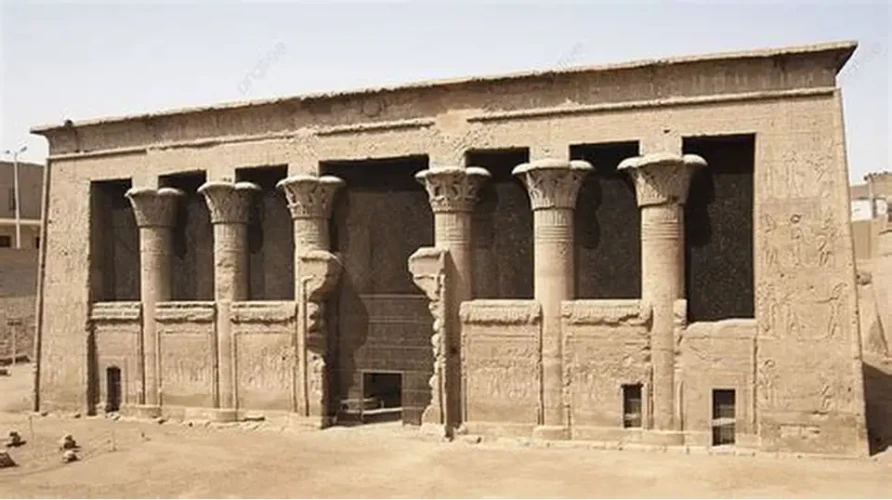
The Morning Room of the Gods: Light and Life in the Mamisi
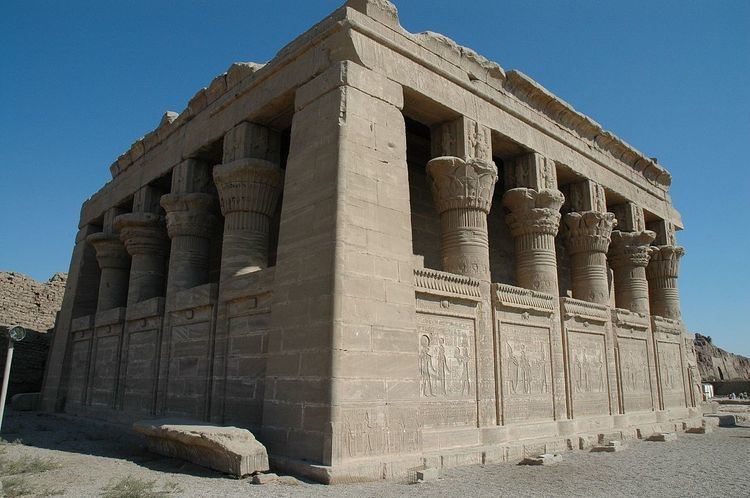
The main sanctuary of the temple contains stone walls and its space is filled with a silent presence that embodies everlasting deities. The nearby building provides a contrasting experience through its combination of open spaces and personal areas which showcase sunlit dancing figures.
The Mamisi functions as the main establishment dedicated to the Birth House which Coptic language speakers use to describe their traditional meaning.
People today see ancient Egyptian ruins as death-related structures which include tombs and mummies and various forms of burial containers. The Mamisi stands as an impressive exception to this rule. The building serves as a tribute to the first breath which a newborn takes together with their initial cry and the beginning of life which unfolds in all its beautiful chaos. The human experience exists in totality through its depiction of common human behavior which explores our origins and our need for safety during moments of greatest weakness.
1. The "Morning Room" of the Soul
The Mamisi served as the divine nursery for all gods. The main sanctuary functioned as the throne room but the Mamisi served as the family wing in the complete architectural design of the Egyptian temple. The sacred site hosted celebrations for the birth of child-gods who included Ihy at Dendera and Harsomtus at Edfu.
The Dawn of Sovereignty: These buildings were often positioned to catch the first light of the morning sun. This wasn't accidental. The Egyptian people considered sunrise to be a daily "birth" which the Mamisi served as the location where celestial light entered the royal child's earthly domain.
A Space for the Queen: The Mamisi space enhanced the mother role while the Pharaoh held control over the battlefield. The Queen Mother appeared in her most holy form at this location while goddesses protected her during the birth of a new "living god."
2. The Divine Birth: An Ancient "Public Relations" Campaign
The Mamisi space displays intimate feelings but simultaneously functions as a political tool which operates with exceptional effectiveness. Every Pharaoh faced a human problem: "Why should I be in charge?"
The Legal Claim: The walls of the Mamisi display the "Divine Birth" cycle. The king of the gods comes to visit the Queen in her private chambers. The god Khnum uses a potter's wheel to create the future Pharaoh who will be his son.
The Royal Stamp of Approval: The Pharaoh used stone carving to create his royal story because he wanted to show his people that his power extended beyond political control to biological authority. He was "born of the gods," making his right to rule indisputable. The process created a human monument which transformed a person into permanent existence.
3. Bes: The Joyful Bodyguard
Bes stands in for the regular austere, towering gods remedying the columns in the Momisi with a grin.
The Pleasing One: With a lion's mane, greater abdomen, and an "outstuck" tongue permanently affixed in a grimace, Bes is a dwarfed god. Much of He sure falls far from the nature of a "high god," and this is what people found charming.
A Guardian of the Messy: A handful; drunken Bes is the guardian of childbirth, music, and dance. He made noises by banging drums and shaking tambourines in order to scare away evil spirits that would attempt to harm the mother or the child.
Comfort over Fortune: Bes then shows us Egyptian wit in the face of regal pretensions: In a world of gold and frankincense, they wanted a protector who could take a blow and share a feast―a god for whom fear was all too human and for whom a jest was the best way out of the situation.
4. Architecture That Breathes
The Mamisi structure stands out because of its exceptional "peripteral" architectural style. The Birth House presents a contrasting design because it features an open colonnade instead of the main temple's dark enclosed corridors.
The Screen Walls: Between the columns, you’ll find "intercolumnar walls"—half-height stone screens. The design allowed breezes and Egyptian sunlight to enter while keeping sacred rituals hidden from public view.
The Sensory Experience: The Mamisi exists in its prime form when fresh lilies emit their scent and sistrums produce clinking sounds and priestesses perform their chants. The space functioned as a living environment because it housed family members who experienced life there.
5. The Late Period Flourish: A Gift from the Greeks and Romans
The existing Mamisis of Dendera Edfu and Philae originate from their Ptolemaic and Roman period construction and expansion.
When foreign kings took the throne they needed to establish their position as legitimate Pharaohs to the public. They spent large amounts of money to construct impressive Birth Houses which served as proof of their royal entitlement to rule the Nile.
The Peak of Art: Because these were built later in Egyptian history the artist created his work with increased depth and more detailed features. The artist created stone sculptures which display clothing folds and the delicate body shapes of infant gods that create an effect of natural movement.
6. The 2026 Perspective: The Universal Nursery
The Mamisi remains relevant to modern travelers because it serves as the most relatable structure among all temple complex buildings. The Miracle of Continuity: The Mamisi didn't focus on a particular baby but instead demonstrated that life must continue forward. Every birth celebrated in the Mamisi was a promise that the sun would rise, the Nile would flood, and the human story would continue for another generation.
The Mamisi functions as a special space dedicated to motherhood because it represents the feminine power and sacredness of birth throughout ancient history.
7. Where the Divine Meets the Human
The Mamisi functions as a space which presents celestial divinity through its inaccessible celestial divinity to its visitors in a humanized form. The space functions as the place where gods transform into infant form and kingship descends to the status of sonhood.
The Birth House ruins at Dendera offer more than artistic hieroglyphics when you visit them. The sound of the sistrums haunts the air. The face of Bes served as a symbol of hope which attracted visitors to this location for thousands of years.
The Mamisi demonstrates that human existence starts with vulnerability because everyone requires a protective space which gives them affection. The building stands as the most authentic human creation which the Pharaohs left behind.




-webp.webp "Hilton")
-webp.webp "dusit")
-webp.webp "Marriott Hotels")
-webp.webp "Azimut Hotel")
-webp.webp "Golden Tulip")
-webp.webp "sheraton")
-webp.webp "westin hotel")
-webp.webp "Movenpick")
