
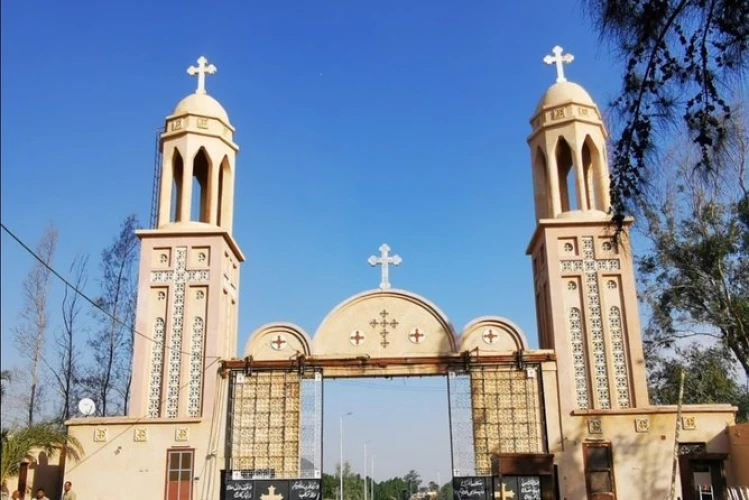
The Fortress of Peace: A Journey to the Monastery of Saint Pishoy
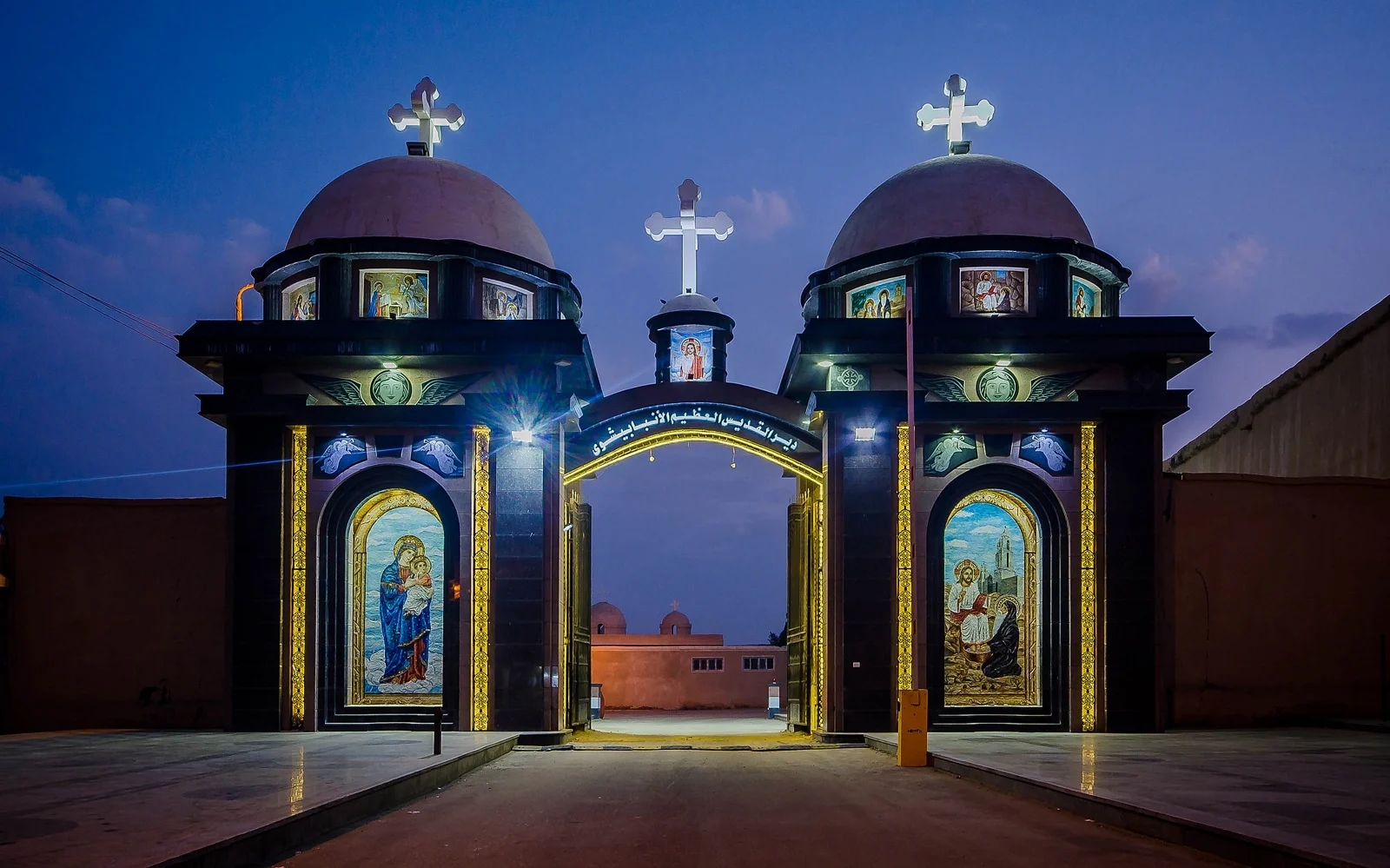
Upon the near-hot sand and smack in the centre of nature-that's where Saint Pishoy-the 5th century monk-came from and that's where he will return, for more reasons than one; an escape from the maddening echoes of history, the tick-tick rhythm of digital life, and the halting stutters of connection. A visit to St. Pishoy's is 100 percent human-a total reboot. It is surrounded by the paradox of monastic life: Solitude in the search for the community that has been holding watches over these walls for 1,600 years. It is a story of commitment, of stone, and of a stone-cold courage that doesn't need to raise its voice to be heard.
1. The Man Who Washed the Feet of Christ
The monastery is named after Saint Pishoy (Anba Bishoy) who lived his life as a perfect example of modesty and physical strength. The building design needs to be studied through the lens of its primary human source of inspiration.
Coptic tradition describes The Legend of the Guest as a beloved story which tells of a tired old traveler who requested Pishoy to wash his feet. Pishoy performed the dirty work of washing when he discovered that water glowed because his visitor was Christ. The story presents a religious fable which explains human service with 100 percent human principles. The teaching shows that people experience their most holy times through acts of compassion which emerge from their daily life activities.
Pishoy received the titles "The Perfect Man" and "The Beloved of Christ" because he dedicated himself to serving others instead of becoming a king. His body is said to remain incorrupt to this day, resting in the monastery. He exists as a living presence who offers comfort to pilgrims because they view him as a desert grandfather who brings peace to those who need it.
2. Architecture of Survival: The Desert Fortress
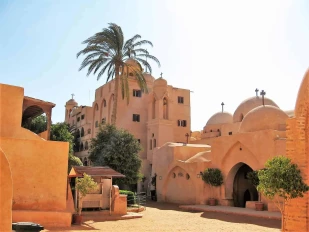
Walking through the gates of the monastery is like stepping into a medieval stronghold. The architectural design of Deir Anba Bishoy exists because of the extreme desert conditions.
The Keep (El-Hosn): The complex main attraction shows an ancient fortress tower which people call the "Keep." The 5th century building functioned as a vertical sanctuary because it protected monks from Berber raids. The monk of 450 AD built his life around the alarm which brought him to the stone tower where he closed the drawbridge. The people developed a secure place which protected their spirits while their bodies experienced danger.
The monastery building lacks ornamental design which makes it visually stunning. The thick limestone walls which the sun has baked for centuries create an air-conditioned effect that maintains cold temperatures inside. The indoor space contains the scents of ancient parchment and olive oil and frankincense. The space provides dim illumination which comes through tiny openings that create sharp sunlight rays from the desert, which show the dust particles and ancient floor tiles. The experience uses your senses to connect you to reality while it leads you toward spiritual realms.
3. The Papal Connection: A Seat of Modern Wisdom
Deir Anba Bishoy functions as a vital location in contemporary history because it serves as the preferred retreat and burial site for Pope Shenouda III, who played a significant role in shaping the current Coptic Church.
The Modern Hermit: Pope Shenouda who controlled millions of followers needed to visit this monastery as his source of personal tranquility. The shrine has developed into a major site for religious visitors. The monastery functions as a working institution which operates as an active monastic residence that serves its community requirements.
A Living Community: The monastery exists as a bustling village in the present day. The monks of this monastery practice agriculture while they supervise the library operations and welcome international guests. The entire community operates through 100% human participation because every individual fulfills their assigned responsibilities which demonstrates how the ancient monastic practice of work and prayer (ora et labora) functions as an effective method to discover purpose in 2026.
4. The Gift of Silence: Desert Wisdom for 2026
The Monastery of Saint Pishoy presents a complete counter to the current societal demands which require people to "produce" and "perform" work. The Digital Detox: The Wadi El Natrun experience requires you to stop "scrolling" through its content. The experience requires you to experience wind on your face and hear salt flats crunching under your shoes and experience complete silence inside a 1 600-year-old church.
The Perspective Shift: Your problems become smaller when you stand in the middle of the desert. The monastery has witnessed the collapse of empires and the passing of plagues and the development of new technologies. The building enables you to observe life through an extended time period. The 100% human presence serves as a reminder that we belong to a greater narrative.
5. Sustainability of the Spirit
Monks who lived at Saint Pishoy monastery established their practice of sustainability before the term became a popular trend.
The people have maintained their existence in this extreme environment through respectful practices towards their surroundings. The people establish wells for water access, cultivate olive and date trees, and practice simple living.
The monastery has survived 1,600 years because of human determination which functions as a miracle. The statement demonstrates that when a community constructs its base upon peace together with common goals, it achieves greater durability than military fortifications which defend against warfare.
The Guardian of the Natrun Valley
The Monastery of Saint Pishoy functions as a religious site which operates as a "Fortress of Peace." Human beings show their best qualities through their ability to be humble and their determination to survive and their desire to experience beauty.
The desert air remains with you when you leave the monastery and return to the green Nile Valley. You keep a small part of that quietness with you in your pockets. The world outside moves at a fast pace to reach no destination while the bells of Saint Pishoy continue to ring for those who search for their way back home. The sanctuary exists as a complete human space which demonstrates that people must first experience some disorientation to discover their true identity.



-webp.webp "Hilton")
-webp.webp "dusit")
-webp.webp "Marriott Hotels")
-webp.webp "Azimut Hotel")
-webp.webp "Golden Tulip")
-webp.webp "sheraton")
-webp.webp "westin hotel")
-webp.webp "Movenpick")