


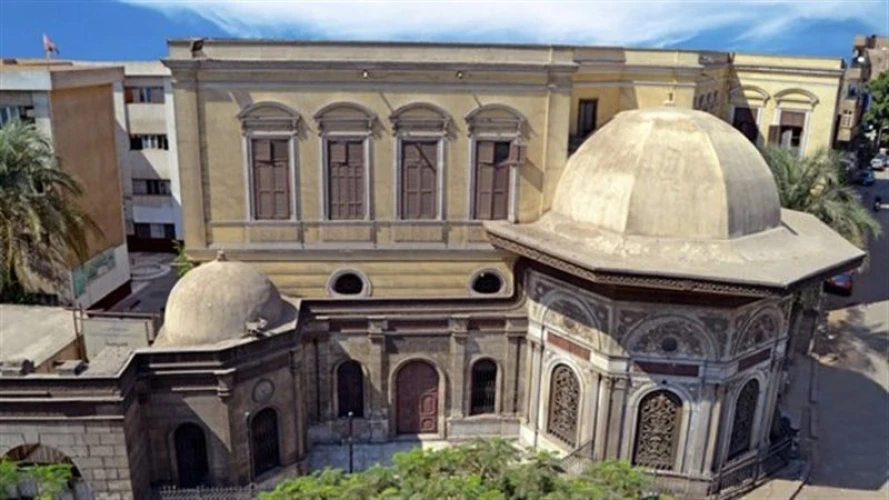
The Copper Fountain: The Royal Elegance of Abbas Hilmi I
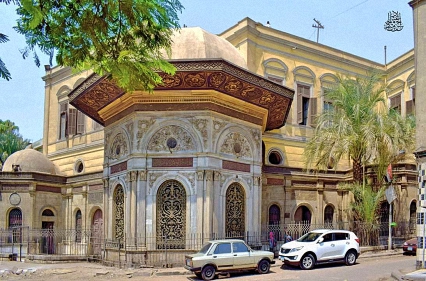
Saliba Street which exists as a historical street and active marketplace begins at its intersection with Al-Nasr Street and ends at the Nile River. The street emits an aroma that combines the scents of spices and exhaust fumes and ancient stone. The street contains a section which appears to have been taken from an Istanbul palace or a European public square. The Sabil of Abbas Hilmi I exists as the 19th century fountain which displays its construction from brass and marble and historical events. The building exists as a dazzling work which displays its brass and marble and historical significance to visitors.
In 2026, we get our water from plastic bottles or sterile taps, which we use without thinking about the essential liquid that sustains our existence. The Sabil exists as complete human creation because it shows that water distribution served as the ultimate form of public charitable service. The royal "thank you" to the city of Cairo existed as a decorative object which functioned as both a city utility and an artistic creation through its combination of poetry and bronze.
1. The Architecture: When Cairo Met the Baroque
The Mamluk and early Ottoman architectural style which creates durable geometric structures serves as the fundamental design element for most sabils in Old Cairo. The Egyptian monarch Abbas Hilmi I wished to establish a Western architectural design which showed the new developments that were happening in Egypt. He desired a design which combined refined beauty with dynamic movement and elements of contemporary European style that were popular throughout the Mediterranean region during that period.
The Curved Facade: This sabil presents a stunning semicircular entrance while its design base remains frozen within the historical defense style of medieval architecture. The design extends outward to the street which creates a physical invitation for thirsty travelers who need a place to rest. The urban space uses this rounded design which creates a total human embrace to reduce the harsh architectural elements.
The Bronze Grills (The Copper Lace): The windows feature intricate bronze grills which provide a decorative security solution. The artists used these materials to create artwork which served an additional purpose as security features. The floral designs with their flowing curls create a perfect representation of "Rococo" and "Baroque" styles which preferred curved shapes instead of straight lines. The year 2026 shows our appreciation for "hand-crafted" luxury. The artisans created every bronze swirl through hand casting and polishing work which took place almost 180 years ago.
The Marble Base: The lower half of the sabil is wrapped in fine marble which features intricate flower and ribbon designs that show expert carving. The evidence shows that people in 1846 considered a public water fountain to have the same value as a king's throne room.
2. The Human Story: A Son’s Tribute
The sabil was constructed as a Sadaqah Jariyah project which Abu Abbas Hilmi designed to honor his deceased father Tusun Pasha who passed away at a young age.
The concept of using one's authority and financial resources to pay tribute to a parent creates a strong connection to people. The transformed materials create a dedication display which shows human feelings of love and remembrance. The research shows that Egyptian rulers from the greatest dynasty experienced the same intense sadness which people today continue to feel.
The Kuttab serves as a school building which follows the architectural design of traditional sabils according to its construction. The building provided cold water to drinkers who needed hydration while children received their studies in the upper section. The facility served as a comprehensive center which provided physical and mental health services to the entire community. The social service model which we are still developing today represents a complete human system which shows people how to interact with society.
3. The Pulse of the Street: A Mirror of Cairo
People experience a sensory journey when they walk by the Sabil of Abbas Hilmi I which leads to a street that connects them to contemporary Cairo. The building serves as a visual landmark which interrupts the sounds of modern Cairo, making people move through the space at a slower pace.
The Intersection of Cultures: This sabil is a perfect example of how Cairo has always been a sponge for global styles. The design combines Ottoman opulence with European Baroque elements which create an aesthetic that appears distinctly Egyptian. The system shows complete human historical evidence about trade activities and travel patterns and intellectual knowledge sharing.
The Survival of Beauty: The copper grills maintain their ability to reflect sunlight through the afternoon period despite both environmental blackening and time progression. The fact that such a delicate-looking structure has survived the harsh environment of a busy Cairo street for almost two centuries is a testament to the skill of the original craftsmen.
The sabil demonstrates through its design that public spaces can exist without creating unattractive functional structures. The statement asks people to think about why public areas which serve all citizens should not achieve the same high level of beauty seen in royal palaces.
4. Why Abbas Hilmi’s Sabil Matters Today
The Sabil of Abbas Hilmi I serves as an eternal human reminder that water possesses sacred value because of current environmental issues and resource privatization.
Water as a Right: For centuries, anyone—regardless of their status—could walk up to these bronze grills and be served a cup of cold water by a Sabilgi (the water-dispenser). The system created social equality for all users.
Architecture with a Heart: In 2026, we face public spaces which include "hostile architecture" elements that prevent people from lying on benches and discourage them from staying in particular areas. The sabil exists as a sheltering structure which people use to create shaded areas where they can take relaxing breaks.
The Artistic Reset: Standing in front of the ornate "copper lace" of the windows provides a mental reset. The work forces you to stop focusing on your phone and instead study the detailed work that people achieved through their hands.
The Jewel of Saliba Street
The Sabil of Abbas Hilmi I functions as a fountain which serves as the "Copper Fountain" of Egypt’s modern history. The structure preserves a previous period when public charitable activities served as majestic displays which brought dignity and aesthetic value to all members of society.
People walking by the bronze grills should stop to envision two sounds from the past which include water splashing into copper cups and children learning the alphabet through their readings in the upper levels of the building. The facility operates as a complete human space which transformed drinking water into an experience of artistic excellence. The brass artwork serves as a charitable work which displays royal heritage through its continuous presence on Saliba Street.




-webp.webp "Hilton")
-webp.webp "dusit")
-webp.webp "Marriott Hotels")
-webp.webp "Azimut Hotel")
-webp.webp "Golden Tulip")
-webp.webp "sheraton")
-webp.webp "westin hotel")
-webp.webp "Movenpick")
