
The Columns of Ancient Egypt: Stone Forests of the Nile
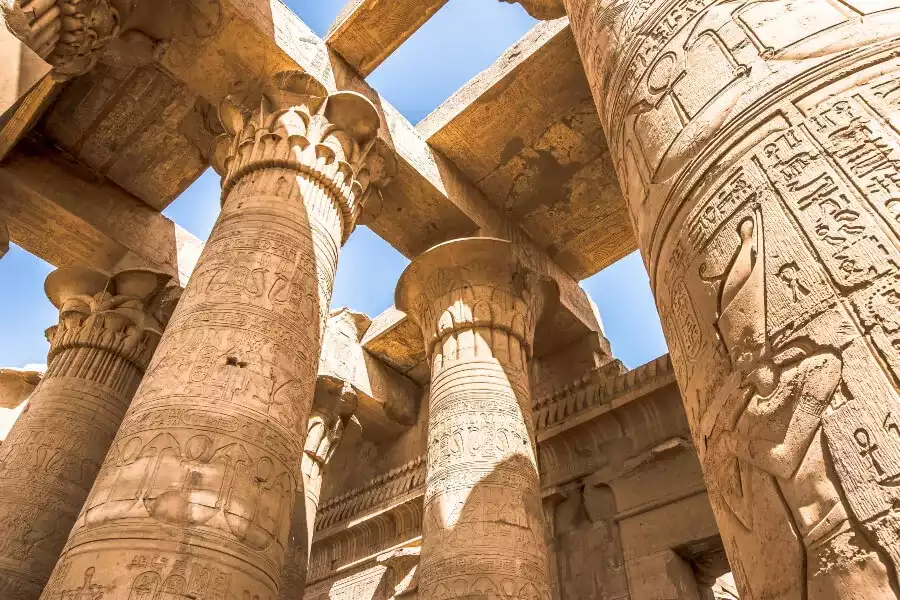
The Great Hypostyle Hall at Karnak functions as an entrance to its building, which transforms visitors into a "stone forest." For the ancient Egyptians, columns served as more than structural elements, since they functioned as vital components of architectural design. The primordial marshes from which the world originated existed as living embodiments of this ancient Egyptian belief system. The architectural design of each column functioned as a botanical masterpiece which brought Nile plants into the divine space dedicated to the gods. The team at New Travel Dynamics believes that understanding these "stone plants" will help people recognize the architectural brilliance found in Egyptian building designs. The most famous column types await discovery during your upcoming expedition.
The Papyrus Column: The Symbol of Lower Egypt
The papyrus plant served as the main element of Egyptian society, and its architectural impact extended throughout the entire country. The two primary papyrus column styles appear in the temples of Luxor and Philae.
The Closed-Bud Column: This represents a bundle of papyrus stalks tied together with the flowers still closed. The design creates an impression of power that remains unexploited.
The Open-Campaniform Column: This is perhaps the most breathtaking. The capital flares out like a giant, blooming papyrus flower. These columns had a special function for central aisles because they were created to show sunlight which resembled the sun rising over the marshes.
The Lotus Column: The Essence of the South
The North used papyrus as its official plant while Upper Egypt selected the Lotus as its emblematic plant. Lotus columns display greater beauty and fragile nature than their papyrus counterparts. The design includes a "closed bud" pattern which displays ribbed stalks that create an impression of natural movement through the stone material. The columns of these temples create a pure and celestial atmosphere which reflects the lotus flower's behavior of hiding underwater at night and rising again with the dawn.
The Palmiform Column: Bringing the Oasis to the Temple
Ancient Egyptians had a deep respect for the date palm, which provided them with essential resources to survive in their desert environment. Palmiform columns display a smooth circular shaft which ends with a capital that resembles a bunch of palm fronds bundled to the column. The Old Kingdom period of Egyptian history produced the earliest column designs which were used in the Saqqara pyramid complexes. The design creates a special light and open visual effect which allows the heavy stone materials to seem weightless and organic while people experience the sensation of being beneath actual oasis shade.
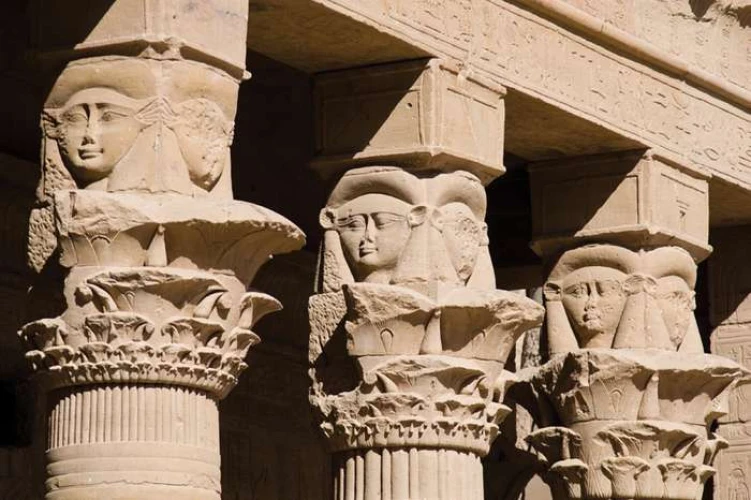
The Hathoric Column: The Face of the Goddess
The "Hathoric" columns stand at temples for goddesses which include the Temple of Dendera as their main example. The capitals display Hathor's four-sided face which shows her typical cow ears instead of plant decorations. The columns provide ceiling support while they serve as guardians for the temple. The New Travel Dynamics guests who stand in a hall filled with Hathor's peaceful gaze experience a powerful spiritual moment which they consider to be the most important part of their trip.
The Tent-Pole Column: A Nod to Ancestral Roots
The "Tent-Pole" column stands as an exceptionally rare and intellectually stimulating design which takes its most well-known form at the Festival Hall of Thutmose III located in Karnak. The columns display their distinctiveness because they reproduce the appearance of wooden poles which served to support military tents and primitive nomadic shelters. The Pharaohs created permanent stone carvings of the ancient temporary shape to honor their ancestral heritage and the modest beginnings of the Egyptian kingdom. The architectural detail provides a captivating aspect which history enthusiasts find valuable because it demonstrates how royal buildings were designed for actual human dimensions.
The Fluted (Proto-Doric) Column: Ancient Precision
The Egyptians established their expertise in "fluted" pillars before the Greeks created their famous Doric columns. The columns at Djoser's mortuary complex in Saqqara and the Beni Hasan tombs display vertical grooves that produce an optical effect which makes the columns appear taller and more elegant. The Nile Valley established the basic elements of "Classical" architecture according to this discovery which we enjoy sharing with our travelers.
Why Architecture Matters for Your 2026 Travel Plans
The team at New Travel Dynamics provides more than just sightseeing experiences. We teach you to see the stories hidden in the stone. The ability to identify papyrus buds and blooming lotus flowers creates an interactive experience for visitors at the temple. The visitor begins to understand how the Pharaohs used these "stone forests" to recreate the garden of the gods on earth. Our 2026-2028 itineraries are specifically designed to highlight these artistic nuances, ensuring your trip is as educational as it is luxurious.
Discover the Secrets of the Stone with New Travel Dynamics
Our company specializes in two fields which include niche Egyptian travel and digital storytelling to provide contextual information that other people fail to discover. Our team helps visitors understand the reasons behind their activities at the Ramesseum where they photograph its gigantic columns and at Philae where they visit its fragile porticos. Our company offers more than simple tour bookings because we design extensive experiences which explore the fundamental nature of human artistic expression.
Ready to Walk Among the Giants?
The built structures of Egypt present their historical accounts through their architectural elements which include their leaf and petal decorations that designers used to create their columns. Let New Travel Dynamics be your guide to this stone paradise. Our essential journey provides an unmatched experience because we recreate historical events through our duplicate of ancient times which our entire collection displays through its historical monuments. Your journey to discover the Nile's architectural masterpieces begins at this location.




-webp.webp "Hilton")
-webp.webp "dusit")
-webp.webp "Marriott Hotels")
-webp.webp "Azimut Hotel")
-webp.webp "Golden Tulip")
-webp.webp "sheraton")
-webp.webp "westin hotel")
-webp.webp "Movenpick")