
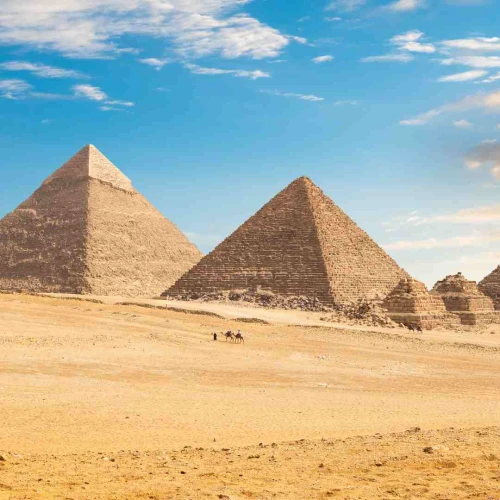
Shadows of the New Kingdom: Wealth, War, and the Lost Borders of Ancient Egypt
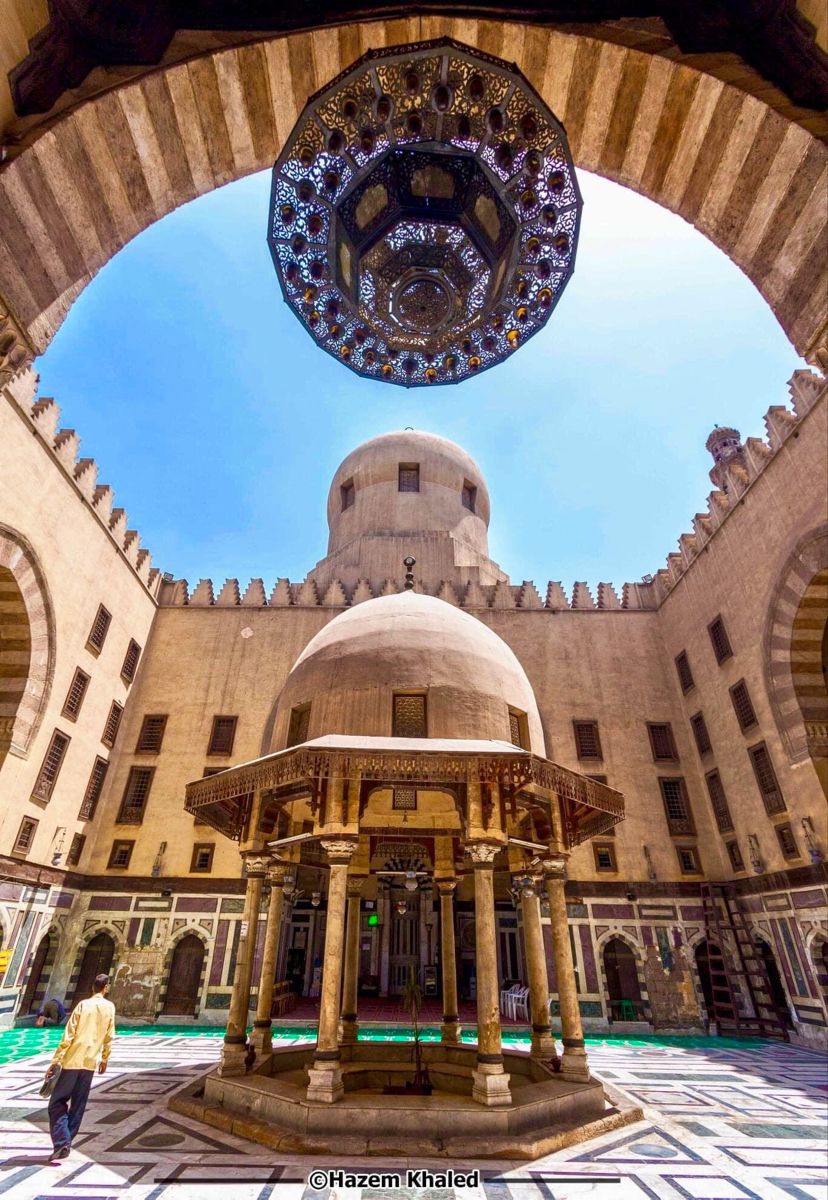
1. Rising from the Ashes: The Expulsion of the Hyksos and the Birth of an Empire
The New Kingdom (1567-1085 BC) consisted of the 18-20 Dynasties; it is sometimes known as the Egyptian Empire. It began with the expulsion of the Hyksos rulers from the Eastern Delta, where they had their capital Avaris. This was achieved by the native Theban rulers of the 17 Dyn. (1650-1567 BC) who had been governing during the Second Intermediate Period in a subordinate capacity. Not only were the Hyksos defeated in Egypt but they were pursued into Asia and totally destroyed. The 18 Dyn. (1567-1320 BC) produced a number of very able rulers who reasserted Egyptian control over the whole country and in Western Asia to the Euphrates and S into the Sudan, known as Kush, as far as the fourth cataract.
2. The Golden Frontier: How Kush Fueled the Egyptian War Machine
Kush was important for its supply of gold, copper and stone, hides and bows, and as a recruiting ground for mercenary troops who formed a sizeable part of the Egyptian army and the internal police force.
3. The Power of the Throne: From Hatshepsut’s Artistic Revival to the Conquests of Tuthmosis III
Under Makare Hatshepsut (1503 BC), who reigned first as a regent queen and then as a king in her own right, the Egyptian artistic revival began. Her architect, Senenmut, built her a splendid mortuary temple at Thebes and this was followed by a series of temples and tombs built by the reigning kings. Her nephew, Tuthmosis III (1504 BC), was the greatest conqueror that Egypt was to produce. He also organised the expanding Egyptian Empire by bringing young Asiatic princes to be educated at the Egyptian court. On their return home, thoroughly Egyptianised, they governed their states under the control of Egyptian supervisors. It was not until the death of these men that Egypt faced external aggression.
4. The Zenith of Splendor: Amenhotep III and the Peak of Prosperity
Under Amenhotep III (1417 BC) the Empire reached its zenith, and though he did not conduct any active campaigns he was a great hunter and builder. The country was settled and fairly prosperous so that he was able to devote his attention to building the temple at Luxor and a vast mortuary temple, now destroyed save for the Colossi of Memnon, the two seated statues that stood before it. He issued a series of commemorative scarabs for the principal events of his reign and conducted a number of dynastic marriages with the daughters of the rulers of western Asia.
5. The Heretic King: Akhenaten, Nefertiti, and the Great Religious Schism
But there were signs that the vigour of the kings was declining and Amenhotep Ill's son Amenhotep IV (1379 BC), who took the name Akhenaten, was little interested in the government of the Empire. Probably as a result of a quarrel with the priesthood of Amun, the leading god of Thebes, Akhenaten withdrew to his city Akhetaten, The Horizon of the Aten' (modem al-cAmamah). Here he devoted himself to the worship of the Aten, a form of sun god shown as a disk with the rays ending in hands. This was not a new deity, but had been known from the Old Kingdom, although not as a royal god. While Akhenaten and his wife Nefertiti stayed at Akhetaten, the empire declined.
6. The Amarna Letters: Desperate Pleads and the Crumbling of an Empire
An accidental discovery at al-cAmamah has revealed many letters written by the princes of Western Asia to Akhenaten asking him for help in repelling invaders and for the return of the Egyptian garrisons to their cities. Whether Akhenaten ever saw this corre-spondence is uncertain, but many of the letters apparently remained on.answered. They were written in Akkadian, the contemporary diplomatic language of western Asia, and they provide a vivid picture of the disintegration of the Egyptian Empire



-webp.webp "Hilton")
-webp.webp "dusit")
-webp.webp "Marriott Hotels")
-webp.webp "Azimut Hotel")
-webp.webp "Golden Tulip")
-webp.webp "sheraton")
-webp.webp "westin hotel")
-webp.webp "Movenpick")