
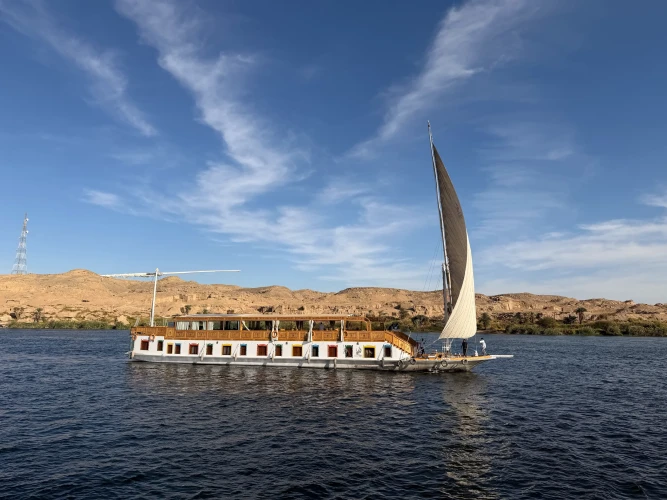
Mega-Cruisers vs. Private Dahabiyas: How Nile Transit Dictates Your Tour Price
Decoding the Price Tag: Why Are Egypt Tour Packages So Different in Price?
If you have spent any time digging around about a trip to the land of the pharaohs, you have probably bumped into some kind of confusing financial paradox.
On one travel portal, you might see a "10-Day Classic Egypt Tour" that looks unbelievably cheap, like $500 per person. But then on another website, a apparently similar 10-day plan—doing the same sort of stops in Cairo, Luxor, and Aswan—is shown at $3,500,or even $6,000 per person.
So how can two itineraries that both promise the Giza Pyramids, the Valley of the Kings, and a cruise down the Nile river have such radically different price tags?
The truth is, in Egypt’s tourism market, what you spot on a bulleted itinerary is honestly only part of the real story. That huge pricing gap is not some mysterious riddle; it comes from distinct structural, operational, and hidden economic factors. So to help you sort through your options and sidestep expensive mistakes, lets, look a little closer into a detailed breakdown of the real reasons Egypt tour packages swing so wildly in cost.
1. The Hidden Economics: "Commission-Free" vs. "Shopping Stop" Subsidies
The one most important—still rarely talked about—thing that really pushes down the price of dirt-cheap Egypt tours is retail commission subsidization, kind of like quietly hiding the real math.
When you book an incredibly cheap day trip or multi-day bundle (you know, the kind you see on those huge, discount-driven booking sites), the local operator is often pricing that tour below what it actually costs them to run. And to stay afloat and still make money, the tour has to recover the gap somewhere else.
The Low-Cost Trap: On a deeply discounted itinerary, your guide is basically required by the structure to detour you into government-licensed “tourist bazaars,” like alabaster workshops, perfume houses, papyrus displays, and jewelry outlets. Those places bill you with noticeably inflated prices, then they kick back a very large commission (often 30% to 50%) to the tour company, and also to the guide.
The Currency of Time: Since these stops are how operators cover their everyday bills, they are not really optional. So the “deal” directly steals from your vacation. A cheap tour will regularly reduce your time at the actual Giza Pyramids or Karnak Temple, so you can spend, say, two hours in a sales showroom instead.
The Premium Solution: Better packages that are priced realistically are often sold as “No Shopping Stops,” or “Commission-Free” tours. Because you’re paying the full, unsubsidized cost upfront—private vehicle, driver, and licensed guide—your timeline becomes yours. If you want to spend four calm hours exploring the tombs in the Valley of the Kings, your guide can just make that happen, without any pressure, or awkward upselling.
2. Floating Hotels: Standard Cruises vs. Luxury Dahabiyas
Most classic Egyptian package tours include some multi day Nile voyage between Luxor and Aswan. Still, “Nile Cruise” is kinda a broad phrase, it ends up meaning very different things on the water, depending on who sells it and what they consider normal.
Mass-Market Commercial Cruisers ($)
The standard budget and mid level bundles usually place you on big multi story cruise boats, sometimes carrying about 150 to 300 travelers. The schedule is pretty strict, almost like a militaristic calendar, and the dockings happen in large, joined groups right by the temple areas. So, when you go to Edfu or Kom Ombo, you are often sharing the stop with thousands of other cruise passengers.
Traditional Wooden Dahabiyas ($$$)
Premium and luxury itineraries typically skip the diesel powered mega ships completely, and they switch you to a Dahabiya instead. These are older style, twin masted wooden sailing yachts, with only 4 to 8 tasteful cabins, usually the “designer” type.
Since they’re smaller, Dahabiyas can slip into secluded islands and even ancient quarry zones where the larger liners cannot comfortably fit. They move quietly along the river, powered largely by wind, so it feels calmer, and more private. Many trips also include a dedicated personal chef, and naturally that kind of comfort comes with a far higher price tag.
3. Guiding Standards: The "Licensed Egyptologist" vs. The Escort
Every travel package says you get a “knowledgeable guide” but the real strength of that person, is a huge factor in how much the trip costs.
On Budget Tours: you might travel with a tour leader, or a kind of general “escort”. They take care of the basic logistics, point out where to get tickets, and coordinate with the driver, yet they are often not legally authorized to guide you once you’re inside the real archaeological sites.
On Premium Tours: you’re accompanied by a university-trained, licensed Egyptologist. In Egypt, approved Egyptologists have to go through serious academic preparation in archaeology, history, and hieroglyphic interpretation, then sit for licensing exams administered by the Ministry of Tourism. Premium packages include a private, dedicated Egyptologist who stays close the whole trip, offering nuanced, tailor made context and answering your questions in real time.
4. Transit Logistics: Private Vehicles vs. Shared Shuttles
How you get from point A to point B while in Egypt, kind of matters a lot, because it affects both the total price of your package and your physical comfort level:
Group and Coach Travel: Budget packages usually hold costs down by running large shared tourist coaches. In practice, you often end up spending your mornings loitering around in hotel lobbies, while the bus finally stops to collect guests from a bunch of different resorts, so you’re stuck on a rigid, rushed timetable.
Private Chauffeur Travel: Higher-end private packages instead hand you a dedicated modern air-conditioned ride (for example, a private sedan or a premium multi-passenger van) plus a skilled local driver, basically for your own exclusive use during the entire journey. You can head to wherever you like, whenever you feel like it , and you move along completely on your own tempo.
5. Seasonality: The Impact of the Calendar
The moment you choose for your trip will create big, sometimes shocking swings in the price of any Egypt package, pretty much right away:
Peak Season (October to February): You get those beautiful cooler afternoons and evenings, so winter becomes the top and most demanded time to come. Because of that, hotel rates, cruise spots, and tour fees go to their absolute peak too.
Low Season (May to August): In the heavy summer heat, the costs drop sharply. If you can handle the midday desert weather, you may end up grabbing high end, five-star arrangements for what feels like a slice of the winter price , not the full amount.
Booking Smart: Secure Transactions for Peace of Mind
No matter what tour budget you end up picking, how you actually book and pay for your package is a really important security step. Like, seriously. If you’re booking with boutique agencies, or with independent local operators, make it a habit to check that their checkout system sends payments through ultra-secured, bank-grade platforms such as WeTravel or through payment processors that run on Stripe.
Those systems use certified PCI-DSS Level 1 encryption, to tokenize your card and bank account details. In practice this means your private money info stays concealed from external staff, so you get that real privacy, plus the flexibility to pay your deposits, or handle interest-free milestone installment plans while you’re still at home.




-webp.webp "Hilton")
-webp.webp "dusit")
-webp.webp "Marriott Hotels")
-webp.webp "Azimut Hotel")
-webp.webp "Golden Tulip")
-webp.webp "sheraton")
-webp.webp "westin hotel")
-webp.webp "Movenpick")