
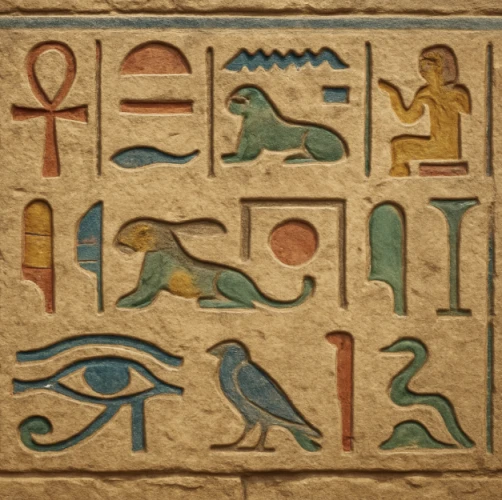
Medicine in ancient Egyptian
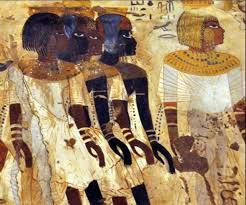
Medicine in ancient Egyptian
The stonemason imagines himself living in 4,000 BCE when a limestone block falls on his arm.Your first destination was not a temple for miracle requests but an Egyptian swnw who practiced medicine. The ancient Egyptian society showed people their medical practices as a combination of superstitious elements which included curses and spells. The early healers from that time period became the first scientists in history because they focused on studying physical evidence instead of using magical practices.
The doctor used a three-step protocol which required him to first observe the patient and then establish a diagnosis before delivering specific treatment. The surviving papyrus records demonstrate that ancient people used honey and copper as their most effective natural remedies which destroyed bacteria in the same way that modern sterile techniques do.
The 'Field Medic’s Handbook' of 2500 BCE: Deciphering the Edwin Smith Papyrus
The Edwin Smith Papyrus shows that ancient scrolls which people consider to have magical powers contain different content. This document which dates back more than 4000 years contains the first historical reference to the human brain. The doctors who worked at that time used mummified bodies to achieve precise measurements of the human skull and spine because they did not yet have the ability to conduct extensive brain surgical operations.
This document operates as a battlefield medic handbook which created the first system to classify patients through triage. The document presents surgical methods through clinical instruction which follows a systematic procedure. The ancient doctor who treated a trauma patient first assessed the person's injuries before placing them into one of three medical categories.
-
An ailment to treat (confident success).
-
An ailment to contend with (uncertain outcome requiring observation).
-
An ailment not to be treated (terminal cases).
The manual demonstrates its value by providing instructions that help practitioners treat injuries which they medically determined to be treatable. Doctors used natural healing products to close wounds after they showed that their patient would survive without needing magical treatment.
Honey as an Antibiotic: The Chemistry of Ancient Nile Remedies
The manual demonstrates its value by providing instructions that help practitioners treat injuries which they medically determined to be treatable. Doctors used natural healing products to close wounds after they showed that their patient would survive without needing magical treatment.
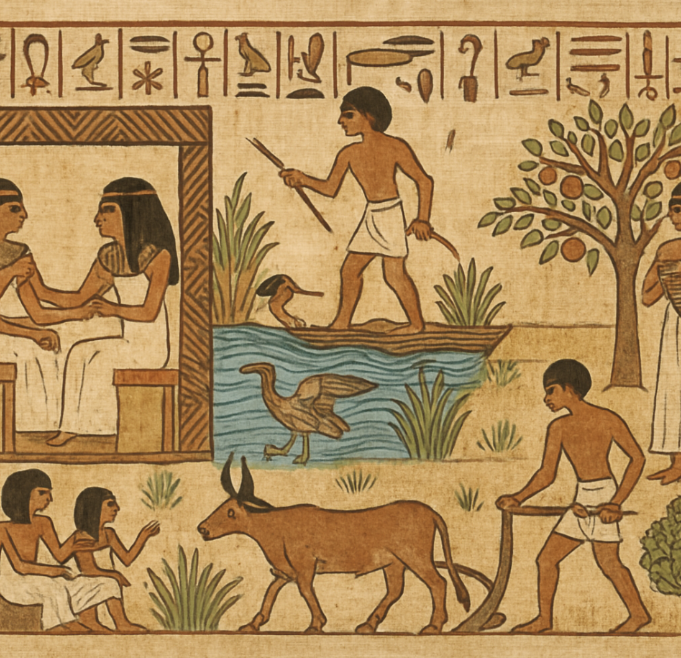
The main function of this medical kit was to provide treatment for infections through a sweet solution. Ancient medical practices used honey as an antibacterial treatment through a method known as "osmotic effect". The treatment uses sweet substances that draw water from bacterial cells to kill them while forming a sticky barrier that protects the wound from dirt. The Egyptian swnw used this sweet treatment together with other natural substances which resemble modern-day medicinal products to create their medical treatments.
-
Honey: A natural, infection-blocking ointment.
-
Willow Bark: A painkiller containing the active precursor to modern aspirin.
-
Garlic: Chewed or applied topically to fight off bacterial infections.
-
Lint: Woven plant fibers used to pack wounds, acting like modern gauze.
Doctors used copper and other minerals to create chemical solutions for water and wound sterilization. The ancient physician could start surgical operations and advanced bone setting procedures after the injured person received proper wound treatment and infection protection through sealed medication.
Precision Tools and Bone Setting: The Surgical Mastery of the Pharaohs
The surgical instruments discovered in Egyptian tombs become instantly identifiable when you conduct their examination. Today's stainless steel tools have their origins in bronze forceps and probes and scalpels which existed in ancient times. Ancient Egyptian medicine achieved superior outcomes when treating patients with traumatic injuries. The medical team used "bone reduction" to treat the broken leg by realigning fractures without performing surgical incisions. The medical team used stiff linen splints to secure the injured leg. The mechanical precision of the system together with a high-protein diet which promoted healing led to archaeological evidence showing that most severe breaks healed without complications.
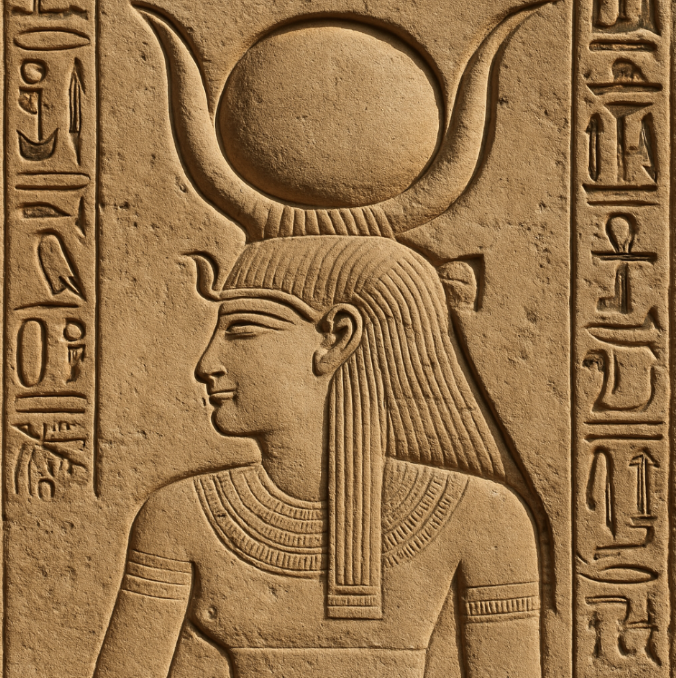
Did ancient Egyptians perform brain surgery? The answer to this question requires surprising expertise. Doctors performed "trepanning" which they used to relieve pressure from severe head injuries by drilling holes into skulls. The smoothed and healed bone edges show that multiple patients survived for many years after their treatment. Doctors used "cauterization" as their method to achieve instant bleeding control by applying heated metal instruments to treat patients with severe traumatic injuries. The doctors who operated these advanced medical instruments achieved remarkable physical accomplishments through their combination of scientific expertise and spiritual knowledge which established a distinctive relationship between priest-physicians and regular medical practitioners.
Priest-Physicians vs. Lay Doctors: Navigating the World's First Healthcare System
The Nile healthcare system presented an unexpectedly organized system which patients used to search for medical treatment. Patients selected their treatment method by deciding between two types of healers, who provided different approaches to healing. Both groups studied at the Per Ankh, which means "House of Life." The temple-adjacent libraries served as the first medical school where students copied clinical trauma manuals and learned anatomical charts by heart.
The Egyptians created special medical fields because their training process required rigorous education. People selected particular medical experts instead of depending on one general doctor.
-
Dentists: Handled painful toothaches caused by chewing sand-filled bread, pioneering ancient Egyptian dental procedures with soothing resin fillings.
-
Eye Doctors: Treated common ocular infections brought on by harsh desert winds.
-
Gastroenterologists: Managed digestive ailments to keep the body's internal plumbing clear.
The medical practice of Egyptian healing needed to maintain its magic-based tradition despite the existence of these practical skills. The people named this hidden energy Heka. The system operated as a psychological placebo which functioned beyond superstitions because a doctor would first set a broken bone before using a magical spell to help his patient feel at ease. The combination of scientific facts with human understanding in ancient Egyptian medicine demonstrates its ongoing relevance to modern society.
The Living Pulse of History: Why Ancient Egyptian Medicine Still Matters
The reality of ancient magic demonstrates that the first scientists of the world studied natural phenomena. The Nile River served as their observation point to create an irrigation system which they believed represented the inner workings of the human body; they thought that body functions would fail because of pipe blockages. This "Channel Theory" provided the basis for future research about blood circulation. The medical field developed into a strong discipline through Imperial Egyptian observation studies which learned medical knowledge from papyrus documents and pharmacological research and hygiene practices.
The next time you apply antibacterial ointment to a scrape, remember the ancient pioneers who first used sticky honey to seal wounds. The basic principles of medical practice continue to serve as the main framework for medical professionals. The unending presence of human continuity demonstrates that our healing drive represents our fundamental human nature. The human process of giving medical care which includes both diagnosis and treatment and emotional support has remained unchanged during the past four thousand years of human history.




-webp.webp "Hilton")
-webp.webp "dusit")
-webp.webp "Marriott Hotels")
-webp.webp "Azimut Hotel")
-webp.webp "Golden Tulip")
-webp.webp "sheraton")
-webp.webp "westin hotel")
-webp.webp "Movenpick")