
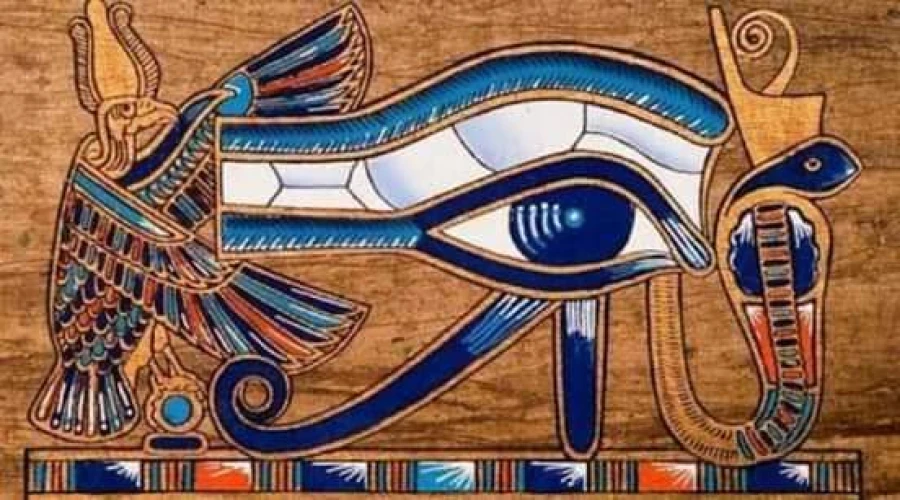
Ancient Egyptian Religion: A 3,000-Year Journey Through Myth, Magic, and Eternity
Ancient Egyptian Religion: A 3,000-Year Journey Through Myth, Magic, and Eternity
An exhaustive guide to the spiritual foundations of the world’s greatest civilization.
Introduction: The Pulse of the Nile
The present-day observer considers the Ancient Egyptian monuments which include pyramids and temples and tombs as architectural masterpieces. The Ancient Egyptians viewed these structures as more than physical buildings because they represented their entire complex religious belief system. The practice of Ancient Egyptian religious beliefs permeated every aspect of human existence. The system determined the sun's rising time and the Nile's flood pattern and the Pharaoh's complete power.
The complete 1,200-word text will examine the Nile Valley religious beliefs which continued to exist for three thousand years. The New Travel Dynamics show how ancient Egyptians believed in their afterlife and mummification science and their gods.
1. The Concept of Ma’at: The Universal Balance
The concept of Ma'at served as the fundamental belief system which all Egyptians followed. The goddess Ma'at who wore an ostrich feather represents truthfulness and equilibrium and universal order and judicial fairness. The Egyptians believed that the universe existed as a delicate environment which Isfet (chaos) constantly endangered. Every Egyptian, from the lowliest farmer to the Great Pharaoh, needed to live according to Ma'at because this duty constituted their main responsibility.
The Egyptian society maintained stability for thousands of years because their people pursued equilibrium. People used religion to determine their ethical actions. The King who maintained Ma'at would cause the Nile to flood and the crops to flourish and the kingdom to achieve safety. The study of their religion becomes special through the way its divine elements interact with its earthly components.
2. The Pantheon: Gods of Nature and Cosmos
The Egyptian pantheon contained more than 2000 deities which formed a vast network of gods. The people worshipped these gods because they believed that each deity represented a different manifestation of the one divine power. The artists who created these works showed gods with animal heads to demonstrate their specific character traits through lioness strength and falcon watchfulness and hippopotamus protective abilities.
The Great Solar Cult of Ra
Ra served as the sun god and the main Egyptian god throughout most of Egyptian history. He used a solar barque to travel through the sky during the day while he battled the chaos serpent Apep in the underworld during the night. His daily rebirth at dawn served as a symbol of hope which demonstrated how time moves in a repeating cycle. The Theban god Amun merged with Ra over time to create Amun-Ra who became the "King of the Gods" and whose temple complex at Karnak stands as the biggest religious structure ever constructed.
The Osirian Myth: Death and Resurrection
The Egyptian mind received its strongest influence from the Osiris Isis and Horus myth. Set killed his brother Osiris who ruled wisely as king. Isis his wife used her magical powers to bring him back to life so they could have their son Horus. Osiris became the Lord of the Underworld while Horus became the King of the Living. The story provided all Egyptians with a pathway to discover eternal life because Osiris defeated death so they could also achieve victory over death.
3. The Science of the Sacred: Mummification and the Soul
People who study Egyptian religion fail to understand its most important aspect because they think Egyptians only cared about death. Their true nature showed that they were dedicated to living their lives. They believed that for the soul to achieve eternal existence, the body must stay complete because it serves as the soul's permanent "vessel" or "anchor."
The soul existed as three different components which included the Ka life force the Ba personality and the Akh the transfigured spirit. The mummification process used a special 70-day procedure which priests conducted while they wore Anubis masks to complete their work. The process required organ removal and natron salt use to achieve body drying which resulted in preservation that still astonishes modern scientists. The practice dedicated to this activity represented true religious devotion because it demonstrated belief in life after death.
4. The Judgment of the Dead: Weighing the Heart
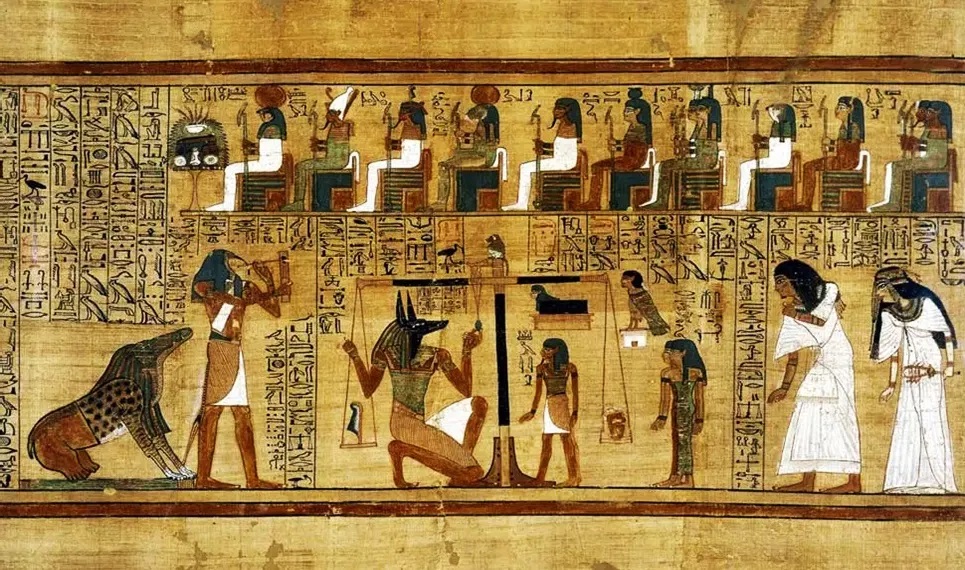
Entry into paradise (the Field of Reeds) was not guaranteed; it had to be earned through a moral life. The Hall of Ma'at contained a golden scale which measured the heart of the dead against the feather of truth. Thoth, the god of wisdom, recorded the result.
The "Eater of the Dead" Ammit devoured hearts which contained heavy sin because users had committed too many wrongdoings. If the heart was light, the person received "True of Voice" status which allowed them to enter eternal life. The belief system established a society which respected integrity because all actions during life determined one's destiny for the next billion years.
5. Temples: The Interface of Heaven and Earth
The Egyptian temples of Luxor, Karnak, and Philae functioned as sacred sites which differed from contemporary worship spaces. The temples served as "Houses of the Gods." The Pharaoh and high priests were the only ones who had permission to enter the most sacred area where they could worship the deity through the statue.
The temple design functioned as a depiction of the universe. The sanctuary area started to rise while the ceiling area started to descend for people who moved toward it because it imitated the creation of the "Primeval Mound." The building used large stone columns which imitated the appearance of papyrus and lotus plants to show the appearance of marshes that existed during the beginning of time. Today, a traveler who walks through Edfu temple experiences more than just walking through ruins because he or she walks through the Egyptian creation story.
6. The Amarna Heresy: The World’s First Monotheism?
Pharaoh Akhenaten created a worldwide shock when he stopped people from worshiping traditional deities. He established Aten as the only deity for worship through his new religious law. He transferred the capital to Amarna while he shut down Amun temples. The revolution of his government lasted for 17 years yet its historical significance continues to generate strong academic disagreement. The question remains whether he became the first monotheist in history or whether he pursued total control as a monarch. People obliterated his name after his death and they brought back the old deities whom the public adored.
7. Magic (Heka) and Daily Life
People practiced their religious beliefs outside of main temples. Ordinary Egyptians worshipped their deities Bes and Taweret from their home altars. People considered Heka to be a divine protection against disease and malevolent forces that gods had given to humanity. People used amulets such as the Ankh which represents life and the Scarab which represents rebirth to safeguard themselves during their everyday activities. The Egyptians considered supernatural forces to exist in the same way that they understood the physical existence of Nile mud.
8. The Legacy: From Ancient Rites to Modern Tourism
The official end of Pharaohs' religion occurred with the establishment of Christianity and Islam, yet its presence continues to exist throughout the world. The Nile River serves as the origin for three elements which include the judgment day concept, the cross symbol that closely resembles the Ankh, and the design of current memorial structures.
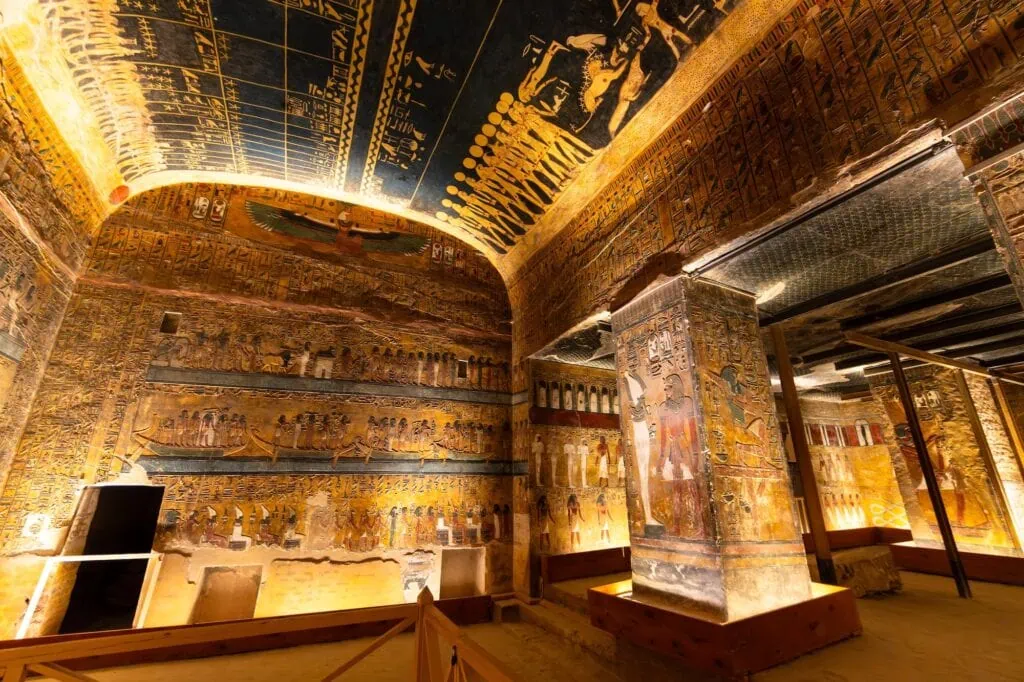
Egyptian travel requires visitors to grasp the religious importance of their journey. The Great Sphinx and Valley of the Kings tombs display artistic works which represent humanity's most powerful effort to conquer the limitations of time. New Travel Dynamics brings your stories to life while we help you explore the "Land of the Gods" through its deep and beautiful experiences.
The Eternal Echo
The religious system of ancient Egypt remains as one of the most complex and lasting spiritual systems which humanity has ever developed. The religion created an atmosphere which combined hope with order and produced extraordinary artistic work. Our understanding of human existence expands through the study of their deities and ceremonial practices because these elements show how people from different cultures pursue their life goals throughout history. Egypt stands as a permanent tribute to everlasting spirit rather than a collection of dead bodies.



-webp.webp "Hilton")
-webp.webp "dusit")
-webp.webp "Marriott Hotels")
-webp.webp "Azimut Hotel")
-webp.webp "Golden Tulip")
-webp.webp "sheraton")
-webp.webp "westin hotel")
-webp.webp "Movenpick")