
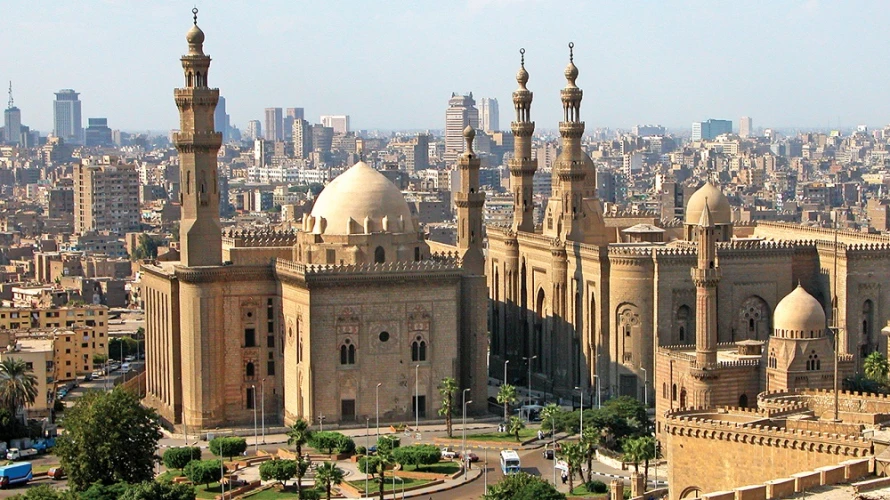
Al-Gamaleya: The Walled Heart of Cairo’s Living History
.jpg)
Al-Gamaleya: The Walled Heart of Cairo’s Living History
The description of "Old Cairo" brings to mind the minarets and marketplace of Khan el-Khalili. The main section of medieval Cairo exists at Al-Gamaleya which serves as the city center that has maintained its continuous operation for more than 1000 years.
The district named after Vizier Badr al-Jamali functions as a neighborhood which serves as a cultural stronghold with its network of narratives and its role as the origin point of Egypt's most Nobel-worthy literary works.
The Royal Guard of the Fatimid Dynasty
Fatimid Caliphs built their royal enclosure at Al-Gamaleya. The founders established Cairo (Al-Qahira) in 969 AD as the "Victory City." The city preserves its original grandeur through its two main gates which include Bab al-Nasr (Gate of Victory) and Bab al-Futuh (Gate of Conquest).
The gates provide a time travel experience which takes visitors to another era. The army and royal procession sounds from the past resonate through the thick limestone walls which seem to create a sound barrier.
More Than Just a Market: The Caravanserais (Wikalahs)
The Khan el-Khalili market receives visitor traffic, but the actual architectural jewels of Al-Gamaleya exist in its Wikalahs. The Silk Road international traders used these facilities as their main lodging accommodations during the Middle Ages.
Wikala of Al-Ghouri: This is perhaps the most stunning and well-preserved trade hub in the district. The courtyard used to welcome camels which carried spices from India and silks from China about 500 years ago. Today, it functions as a cultural center where Tanoura Sufi dance performers create a captivating display of color and devotion through their twirling performances.
The Literary Soul: Naguib Mahfouz’s Muse
You cannot talk about Al-Gamaleya without mentioning Egypt’s most famous son, the Nobel Laureate Naguib Mahfouz. Most of his novels, including his famous Cairo Trilogy, are set within these very alleys.
Mahfouz viewed Al-Gamaleya as a miniature representation of the entire world. The narrow lanes, the hidden courtyards, and the local coffee houses weren't just settings; they were characters. Al-Gamaleya provides a path that lets visitors experience the entire village as if they are reading through a book. If you observe the elderly men who play backgammon at the neighborhood café you will begin to recognize them as characters from Midaq Alley.
The Hidden Gems of Al-Gamaleya
The district contains hidden attractions which visitors to the main streets do not discover.
Beit al-Suhaymi A breathtaking Ottoman-era merchant's house displays cool marble floors and a lush inner courtyard and intricate woodwork which demonstrate how people lived in luxury before the invention of electrical power.
The Al-Hakim Mosque displays an atmosphere which combines eerie elements with its beautiful Fatimid architectural design. The courtyard of the mosque serves as one of the most tranquil areas throughout a city which accommodates 20 million residents.
The Spice Market: Follow your nose The air inside Al-Gamaleya district emits stronger scents because people use crushed cumin and dried hibiscus and frankincense.
A Day in Al-Gamaleya: What to Expect
If you're coming, you should leave your rush out there in the hotel. In Al-Gamaleya, things are kind of slow-paced.
Morning: Enter through Bab al-Futuh and walk southward. The way the light strikes the ancient limestone walls in early morning would make every photographer fascinated.
Afternoon: Get lost in the side streets. This is where you will see "real" Cairo-hammers striking iron into jewels, workshops embellishing mother-of-pearl boxes, and kids running through alleys that have retained their original width for centuries.
In the evening, take a performance at the Ghouri complex and then enjoy a glass of tea at a local "ahwa" (traditional café) to end the night.
Why It Matters
The historical area of Al-Gamaleya stands as Cairo's essential core. The area has endured through destructive fires and deadly plagues and the changes brought by modernity. The site continues to function as a residential and professional space where people conduct their most sacred activities next to monuments that have existed for one thousand years. The site exists as a dynamic living exhibit which demonstrates both Egyptian strength and Egyptian welcoming nature to visitors.
Quick Facts for Your Visit
| Feature | Details |
| Historical Era | Founded 969 AD (Fatimid Dynasty). |
| Famous Residents | Naguib Mahfouz (born here). |
| Top Landmarks | Bab al-Futuh, Wikala al-Ghouri, Beit al-Suhaymi. |
| Must-Try Experience | Watching the Tanoura dance at the Ghouri Complex. |
| Vibe | Literary, historic, bustling, and deeply authentic. |
The Al-Gamaleya area provides historical information but it allows visitors to experience historical events. The district of Cairo provides a special experience for visitors who want to explore its historical sites whether they are history enthusiasts or literature fans or casual explorers.
Which part of this historic district interests you most—the grand gates of the old city or the literary world of Naguib Mahfouz?




-webp.webp "Hilton")
-webp.webp "dusit")
-webp.webp "Marriott Hotels")
-webp.webp "Azimut Hotel")
-webp.webp "Golden Tulip")
-webp.webp "sheraton")
-webp.webp "westin hotel")
-webp.webp "Movenpick")