


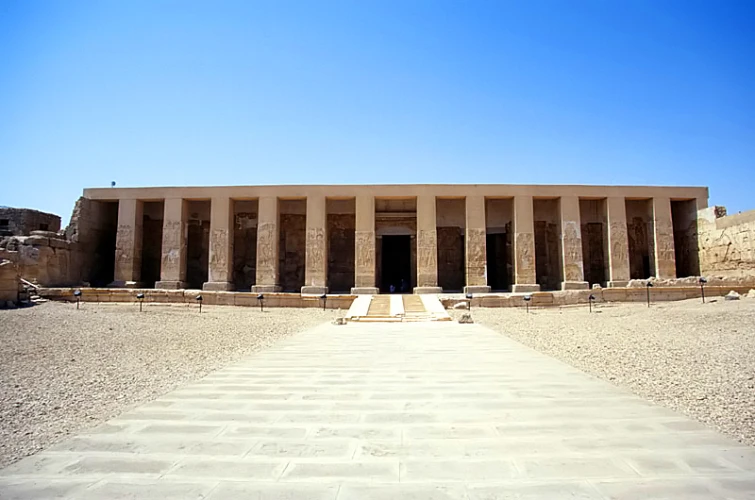
Abydos Temple: A Journey to the Center of Ancient Egyptian Spirituality
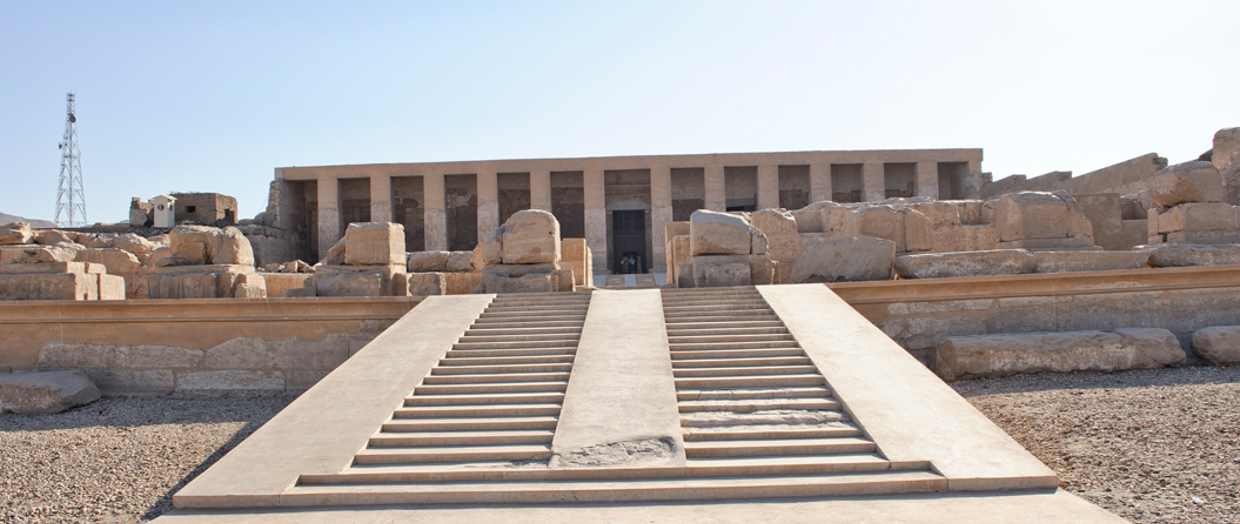
The people of Sohag built their sacred site which functions as an important spiritual location that holds special historical value beyond the common tourist paths of the Nile Valley. The Great Temple of Seti I at The Temple of Abydos functions as more than a collection of stones and columns because it serves as a passageway to the afterlife and the mythological tomb of Osiris who rules over the underworld. The people who visit Abydos want to experience a environment which presents historical stories without using mass-market commercialism. Our company New Travel Dynamics discovers off-the-grid locations which enable visitors to experience complete quiet while they view the ancient sites that Pharaohs used.
The Sacred City of Osiris: Why Abydos Matters
Abydos stands as one of the most ancient cities in Egypt because it functioned as the royal burial ground for the first Egyptian dynasties. The city experienced a rapid increase in its popularity because it became the main religious site dedicated to Osiris. The ancient myth states that Osiris head was buried in this location after his brother Seth killed him and tore his body apart. The ancient world considered Abydos as its "Mecca" because every Egyptian wanted to be interred there or at least to construct a cenotaph (a symbolic tomb) which would secure their soul's eternal journey through the Duat. The temple experience today allows visitors to experience the ancient prayers which exist as a fundamental element for any premium cultural experience during the 2026 and 2027 seasons.
The Architectural Perfection of Seti I
Abydos stands as one of the most ancient cities in Egypt because it functioned as the royal burial ground for the first Egyptian dynasties. The city experienced a rapid increase in its popularity because it became the main religious site dedicated to Osiris. The ancient myth states that Osiris head was buried in this location after his brother Seth killed him and tore his body apart. The ancient world considered Abydos as its "Mecca" because every Egyptian wanted to be interred there or at least to construct a cenotaph (a symbolic tomb) which would secure their soul's eternal journey through the Duat. The temple experience today allows visitors to experience the ancient prayers which exist as a fundamental element for any premium cultural experience during the 2026 and 2027 seasons.
The Abydos King List: A Pharaoh’s Chronology
The temple's most important historical artifact stands as the "Abydos King List" which holds great value. The extended corridor shows Seti I and his young son future Ramses II standing before a track of cartouches which display the names of 76 kings who ruled before them. The list functions as a "golden key" for modern archaeologists because it delivers almost complete information about the dynasties of Egypt. The list created an interesting record because it intentionally left out "heretic" and "illegitimate" rulers such as Akhenaten and Hatshepsut who used art and architecture to establish their historical legitimacy.
The Mystery of the Osireion: An Underground Enigma
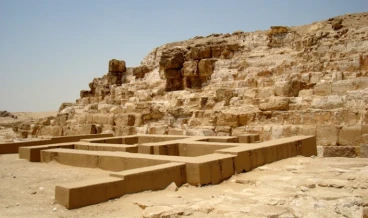
The Osireion which exists as one of Egypt's most mysterious buildings rests at a lower elevation behind the main temple. The structure which uses large granite stones that replicate Old Kingdom building methods from the Giza Valley Temple still faces scholarly disputes about its original purpose and construction. Some researchers propose that the structure functioned as an Osiris burial site which designers constructed to resemble an ancient island that emerged from creation waters. The construction used enormous granite stones which create an impressive sight that shows power when compared to the fragile limestone materials used in Seti's temple. The location serves as a source of amazement for visitors who want to understand both the architectural skills and mystical knowledge of ancient builders.
Vibrant Colors and Divine Portrayals
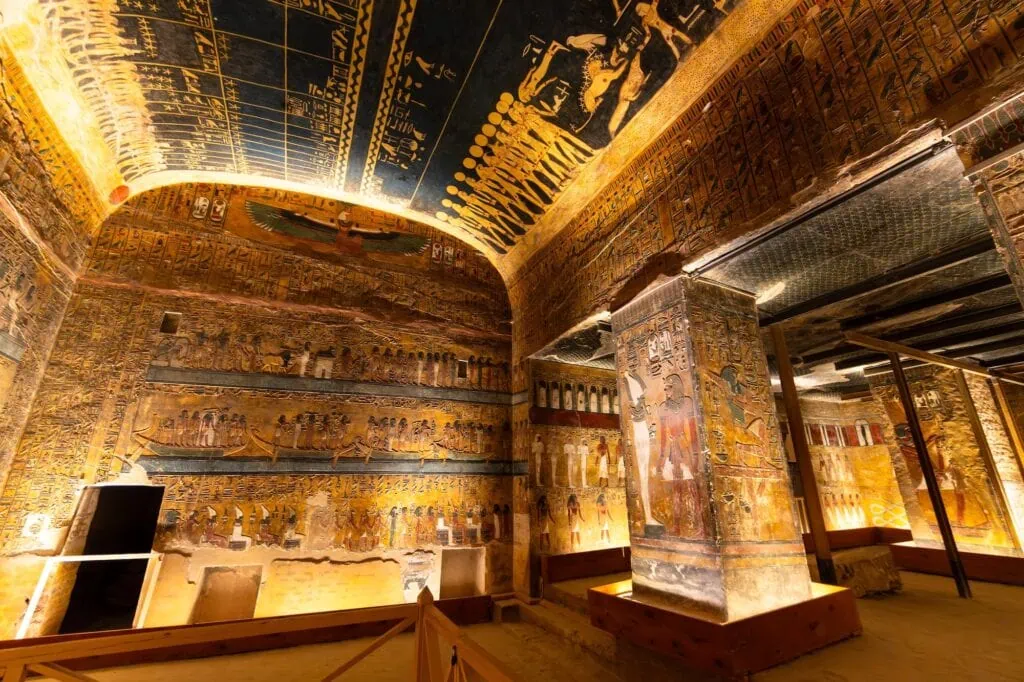
The main factor which makes Abydos different from other sites is its original colors which remain intact. The seven chapels which honor the main deities of Horus, Isis, and Osiris feature ceilings and walls which display celestial blue and rich ochre colors that have remained intact for more than 3000 years. The chapels functioned as private spaces where the King would conduct his daily rituals which protected the cosmic order of Ma'at. The visitors at New Travel Dynamics can experience the colors in person to see the temple as a living space which serves as a worship area different from the typical gray ruins that history books show.
The "Helicopter" Hieroglyphs: Debunking the Myth
The exploration of Abydos requires two essential elements which include the historical Omm Sety connection and the disputed existence of out-of-place artifacts. The temple ceiling beams show hieroglyphic designs which display helicopter and submarine features as their modern machine likenesses. The Egyptologists established that the carvings which fascinate "ancient astronaut" theorists originated from "palimpsest" because artisans re-carved a stone surface which produced unintentional shapes through their overlapping two different names Seti I and Ramses II. At New Travel Dynamics, we believe in providing our guests with the authentic, evidence-based history of these sites, which is often more fascinating than the myths themselves.
Exclusivity and the Niche Travel Experience
Abydos attracts visitors because its remote location prevents access to the site. The site remains unvisited by large crowds because it needs two separate journeys from Luxor or it serves as a stop for particular Nile cruise routes. The temple provides visitors with exclusive space to practice meditation and undergo personal discovery. The "Holy of Holies" location offers complete privacy for international travelers who want to photograph it. The place requires visitors to spend extended hours while they practice patience and observe every small aspect of ancient Egyptian artistry.
Integrating Abydos into Your 2026-2028 Itinerary
The future of Egyptian tourism development is emerging through its primary tourist sites which now use Abydos as their new high-end travel experience center. The "must-see" attraction of Abydos exists for visitors who have completed their Giza Pyramids tour and seek to explore additional historical sites through two access methods. New Travel Dynamics is developing special tour packages for 2026 which will connect the New Kingdom's grand size to the ancient dynasty heritage found at the Abydos site.




-webp.webp "Hilton")
-webp.webp "dusit")
-webp.webp "Marriott Hotels")
-webp.webp "Azimut Hotel")
-webp.webp "Golden Tulip")
-webp.webp "sheraton")
-webp.webp "westin hotel")
-webp.webp "Movenpick")
