
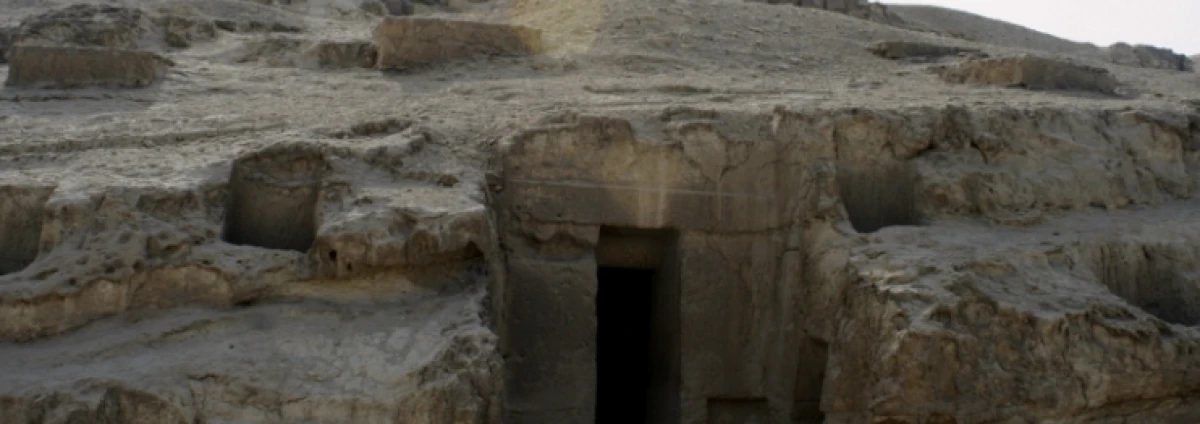
Exploring the Mysteries of Egypt's Labyrinth
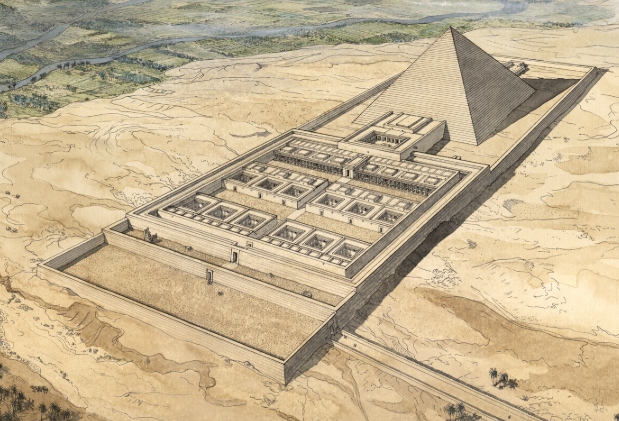
Herodotus made his claim about the Great Pyramids after he saw a certain building which he considered to be more impressive than the pyramids. According to his records, the labyrinth in egypt was a two-story mega-structure containing 3,000 winding rooms. The mortuary temple of pharaoh Amenemhat III functioned as a vast architectural complex which dedicated itself to honoring the deceased king.
How could a wonder this massive simply vanish? The Amenemhat III Hawara pyramid complex located at the Faiyum Oasis served as the greatest marvel of ancient times. The Herodotus description of ancient Egyptian labyrinth shows the echoing stone halls of a lost masterpiece but its complete disappearance into the mud remains one of archaeology's most captivating unsolved cases.
The Grand Architect of Hawara: Why Amenemhat III Built a Maze at the Edge of the Faiyum
The Middle Kingdom era brought Egypt its first golden age which occurred after the Great Pyramids reached their final construction state. The Faiyum Oasis became an agricultural center for Pharaoh Amenemhat III during the prosperous period of his reign. His architectural masterpiece would become his permanent legacy because he selected the desert region next to him for development.
The king established the Amenemhat III Hawara pyramid complex as an extensive burial system which would connect both the living and deceased realms. His burial site stood high above the area in the form of his dark mud-brick tomb. The actual wonder of the Black Pyramid spread from its base as a vast mortuary temple dedicated to Pharaonic worship which would continue throughout eternity.
The huge design served both as a religious site and as an operating center for government activities. Ancient accounts of the Faiyum Oasis structure describe it acting as a physical stone map of Egypt, holding dedicated council halls for every one of the country's nomes, or regional administrative districts. The building design required this entire area to develop into an extensive system which included many interconnected spaces that created a confusing layout.
Inside the 3,000 Rooms: Decoding the Two-Tiered Layout of the Ancient World's Largest Building
The Greek historian Herodotus entered a massive limestone structure which dwarfed the nearby pyramids more than two thousand years ago. The three thousand room structure of this building presents a size which exceeds what modern people can mentally grasp. The US Capitol Building The Labyrinth was roughly double its total floor space The Labyrinth was approximately twice the total floor area of the US Capitol Building
The Great Pyramid Its massive foundation could completely occupy the space between the Labyrinth's outer boundaries
The Egyptian labyrinth and Cretan Minotaur maze present an unstructured trap which prevents escape from their respective paths yet this path did not function as a monster concealment obstacle. The structure functioned as an extremely organized two-story architectural design which centered around a courtyard that used symmetrical patterns. The upper level which received sunlight contained twelve large courts which priests used to operate the country's daily governmental functions. A complete network of underground burial tunnels existed below their walking path. The hidden underground vaults contained both the pharaoh's remains and the sacred crocodiles which residents worshipped in the area.
The design of the building created a deliberate state of confusion because its multiple blind turns and heavy stone doors produced an escape room experience which people needed to solve. A digital map of the Egyptian maze which no longer exists shows us that the endless corridors worked as a physical representation of the different districts which made up Egypt. If this structure reached such enormous dimensions then how did a stone building with greater size than a contemporary airport simply vanish.
Why the Wonder Vanished: The "Hardware Store" Effect and the Rising Water Table
The lost Hawara labyrinth which people ask about today exists in different cities throughout the world. The enormous structure remained for centuries because people used it as a resource which they could take materials from. Builders discovered that they could obtain all required limestone blocks by taking them from the deserted site instead of spending time to extract them from the ground. Workers removed the entire upper section piece by piece which they then used to construct homes and statues until only a short layer of small stone fragments remained.
Nature took all the items that stone robbers left behind. The agricultural canals which expanded their reach created the final damage because they raised groundwater levels and resulted in complete flooding of underground vaults with destructive mud. The permanent underground flooding which continues to occur presents serious challenges for preserving Egypt's underground historical sites. The Petrie archaeological excavation at Faiyum which began in the late 1800s ended when the team reached this underwater barrier which prevented them from emptying the submerged lower sections of the site. The massive foundations continue to show evidence through the mud which advanced technology now enables people to find.
Seeing Through the Mud: How Petrie and Modern Radar are Reclaiming the Lost Maze
The search for a building that has disappeared from existence seems impossible because 19th-century explorers possessed knowledge about what evidence to search for. Flinders Petrie found the Labyrinth's primary base when he found a large human-made stone platform which archaeologists had built during their 1888 Petrie archaeological excavation at Faiyum. The large mud area prevented him from digging but he demonstrated the existence of the giant structure.
Scientists today operate Ground-Penetrating Radar (GPR) which serves as an earth X-ray system to provide underground imaging without using shovels. Through three separate advancements modern geophysical surveys have changed our comprehension of Hawara site ruins according to current research.
Petrie completed the official mapping of the Labyrinth's extensive upper section in 1888.
The Mataha Expedition used GPR technology in 2008 to find buried walls which exist at great depth below the dirt.
Satellite images of hidden Egyptian sites will enable researchers to conduct complete underground scans of Egyptian structures without actual ground research.
The advanced radar technology proves the existence of the underground level because it creates evidence that survived from ancient times. The journey continues while we wait for engineers to perform secure operations in the flooded vaults. The Labyrinth invisible elements help us understand its actual dimensions. The Labyrinth holds many undiscovered elements which will be found in future research activities.
Appreciating the Labyrinth Today and What Lies Ahead
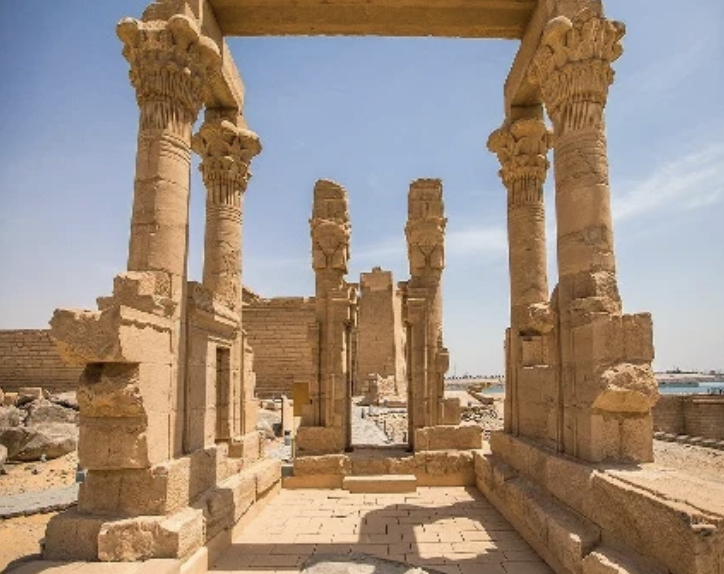
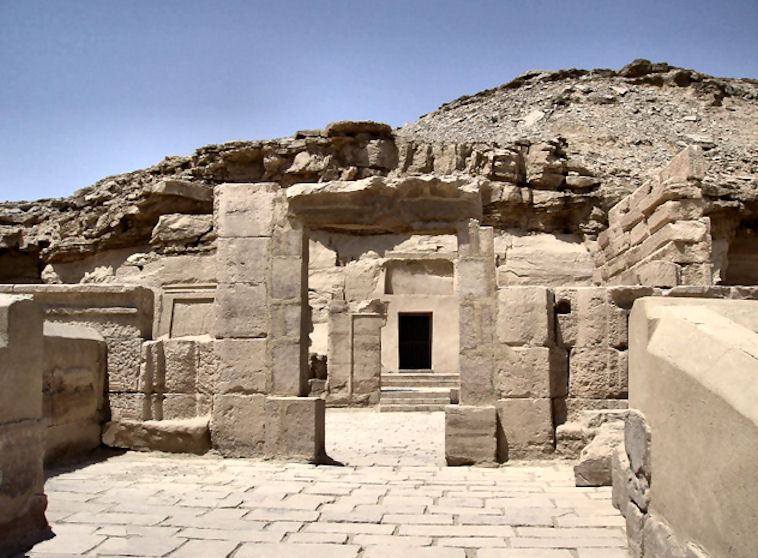
The ruins of Hawara now show more than their previous wide expanse of dunes. You can now understand the actual importance of Middle Kingdom burial design which exists underneath your current position. You can observe all remaining parts of the ancient Egyptian labyrinth after you stand next to the deteriorating "Black Pyramid" and watch the scattered limestone remnants which remain.
The lost wonder remains open for exploration because 3,000 hidden rooms remain hidden under groundwater protection. Researchers use modern radar technology to progress towards discovering the hidden underwater elements. The next decade may finally reveal what Herodotus witnessed, proving Egypt’s greatest architectural mystery still waits just beneath the mud.




-webp.webp "Hilton")
-webp.webp "dusit")
-webp.webp "Marriott Hotels")
-webp.webp "Azimut Hotel")
-webp.webp "Golden Tulip")
-webp.webp "sheraton")
-webp.webp "westin hotel")
-webp.webp "Movenpick")