
The Ultimate 7-Day Egypt Itinerary: From Cairo to Aswan.
7 Days in Egypt: The Perfect 2026 Route from Cairo to Aswan
If you only have one week in Egypt in 2026, you have to be smart. You can’t see everything, but you can see the best things without feeling like you’re running a marathon. With the new high-speed trains and the Sphinx Airport now fully operational, we’ve cut out the "wasted" travel days.
Here is the ultimate human-tested itinerary for a week of pure magic.
Day 1-2: Giza & The Grand Museum (The Big Entry)
Forget staying in downtown Cairo. In 2026, you want to base yourself in Giza.
-
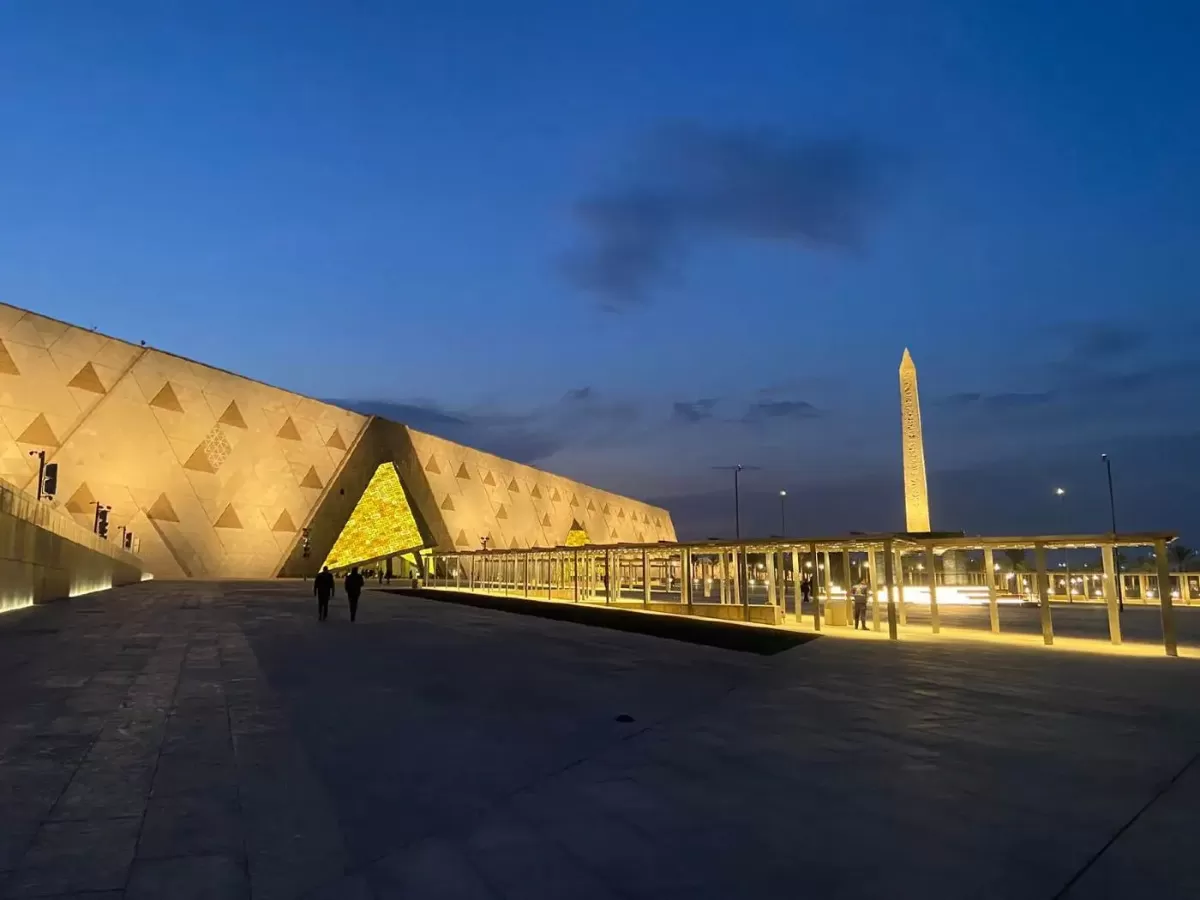
Day 1: Land at Sphinx International Airport (SPX). It’s 20 minutes from the plateau. Check into a boutique hotel with a rooftop view of the Sphinx. Spend your first afternoon at the Grand Egyptian Museum (GEM). It’s huge, so don’t try to see it all—just focus on the Tutankhamun galleries and the Solar Boat.
-
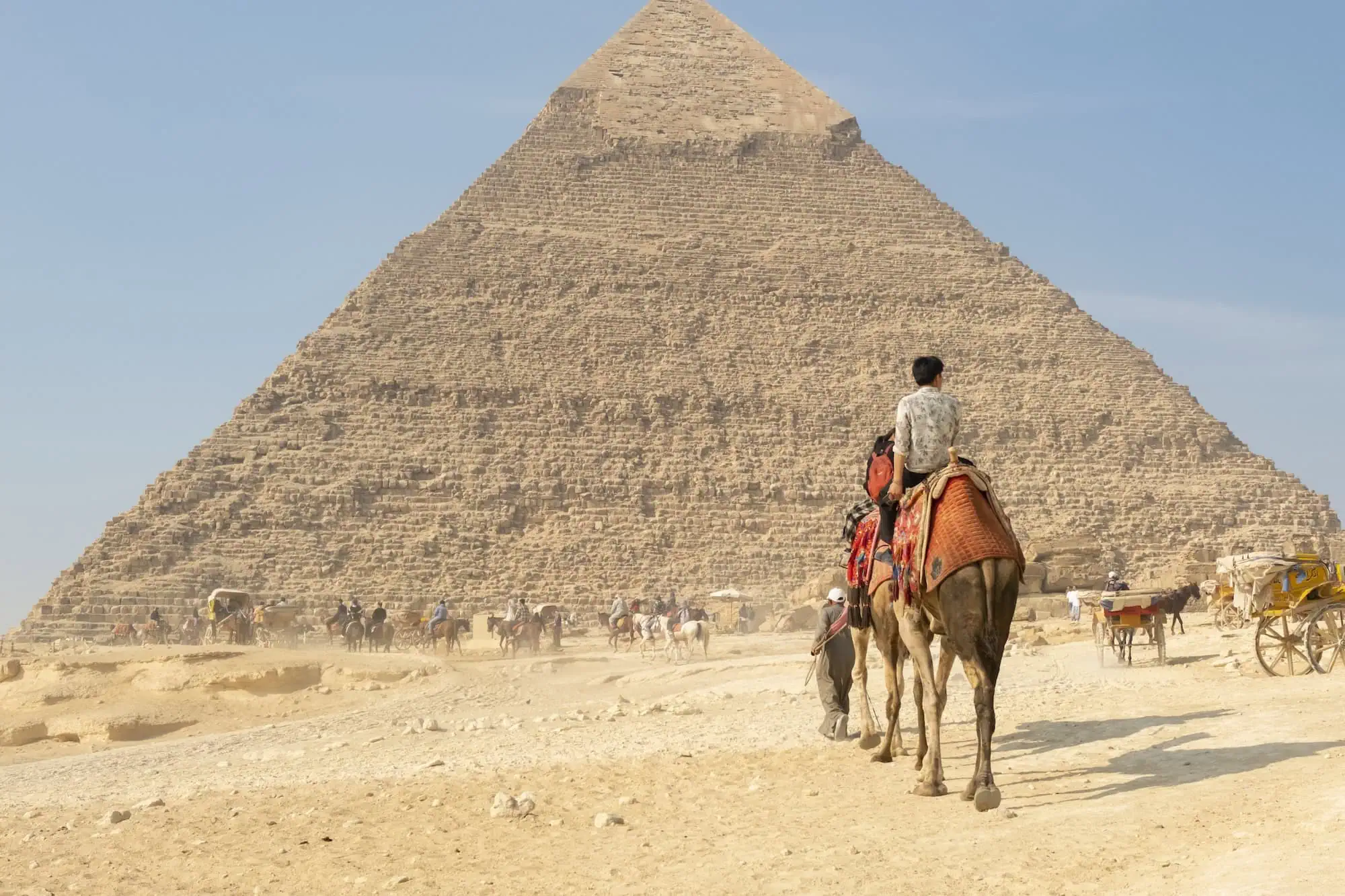
Day 2: Hit the Pyramids at 7:00 AM sharp. You want to be the first one there before the sun (and the crowds) gets heavy. Take the electric shuttle to the "Panorama" point for that classic 9-pyramid shot, then head down to the Sphinx. Finish the day with a sunset dinner at 9 Pyramids Lounge.
Day 3: Old Cairo & The High-Speed Dash to Luxor
Cairo isn’t just about pyramids; it’s about the soul of the city.
-
Spend your morning in Islamic Cairo. Walk through Muizz Street—it’s like an open-air museum of medieval architecture. Grab a coffee at El Fishawy in Khan el-Khalili, but don't spend too much time haggling for souvenirs you don't need.
-
In the evening, head to the new Giza Train Station. Hop on the High-Speed Rail. By 2026, this train gets you to Luxor in about 4.5 hours in total luxury. No more bumpy overnight trains or expensive domestic flights.
Day 4: Luxor’s West Bank (The Valley of Kings)
Luxor is where the "real" history happens.
-
Start early on the West Bank. You have to see the Tomb of Seti I and the Tomb of Nefertari. They cost extra, but in 2026, the colors inside these tombs look like they were painted yesterday.
-
Pro Tip: Use the "Luxor Pass" if you’re a real history buff—it saves you a ton of money on individual entry fees.
-
After lunch, visit the Mortuary Temple of Hatshepsut. It’s carved directly into the mountain and looks like something out of a sci-fi movie.
Day 5: Karnak & The Nile Cruise Start
-
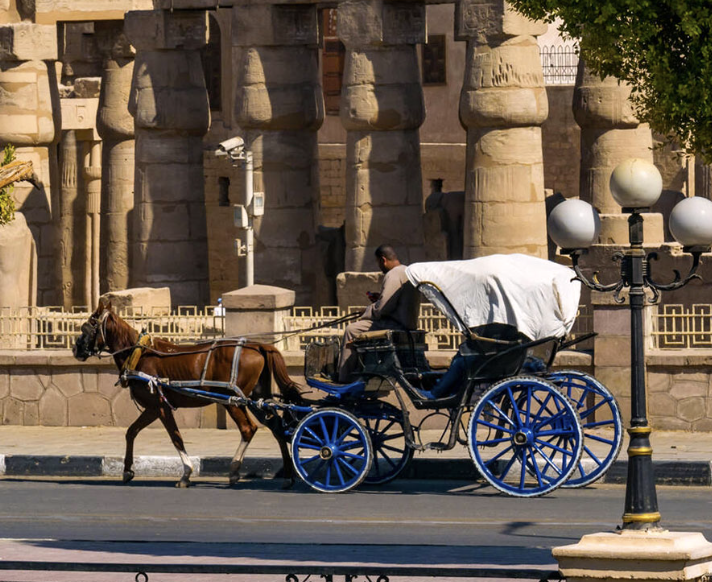
Morning: Head to Karnak Temple. It’s the largest religious complex ever built. Walk through the Hypostyle Hall—the columns are so big you’ll feel like an ant.
-
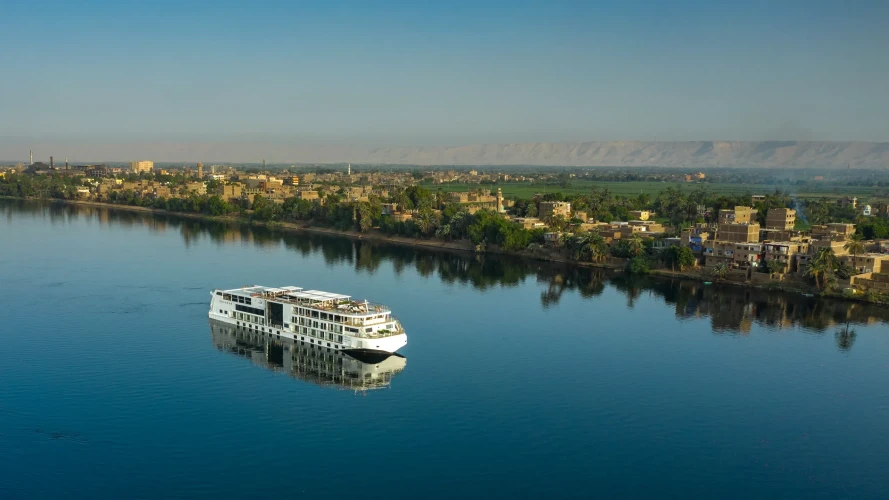
Afternoon: Check into a Dahabiya. In 2026, big cruise ships are okay, but a Dahabiya (a traditional small sailing boat) is the 100% human way to see the Nile. It’s quiet, private, and stops at small islands the big ships can’t reach.
Day 6: Sailing to Edfu and Kom Ombo
This is your "slow down" day.
-
As you sail toward Aswan, you’ll stop at the Temple of Edfu, dedicated to the falcon god Horus. It’s the best-preserved temple in Egypt.
-
Later, you’ll hit Kom Ombo, a unique "double" temple for the crocodile god and the falcon god. In 2026, the Crocodile Museum next door is a must-see—they have dozens of mummified 4,000-year-old crocodiles on display.
Day 7: Aswan – The Nubian Soul
Aswan is the most beautiful city in Egypt. It’s where the desert meets the blue Nile.
-
Morning: Take a motorboat to Philae Temple, which sits on its own island. It’s incredibly romantic and peaceful.
-
Afternoon: Visit the Nubian Village. Yes, it’s colorful and great for photos, but try to sit in a local home for some Karkade (hibiscus tea) and talk to the people. The Nubian culture is the heart of southern Egypt.
-
Evening: Fly back to Cairo or Sphinx Airport from Aswan for your flight home.
Essential 2026 Logistics for This Route
-
The High-Speed Rail: Book your tickets at least 48 hours in advance via the official app. It’s replaced the old "tourist train" for anyone who values their time.
-
Dahabiya vs. Cruise: If you have the budget, go for the Dahabiya. It’s a 100% more authentic "human" experience than the floating hotels.
-
Apps to Have: Uber works in Cairo/Giza, but in Luxor and Aswan, you’ll mostly use local taxis or pre-arranged drivers. Also, have the E-Visa saved on your phone.




-webp.webp "Hilton")
-webp.webp "dusit")
-webp.webp "Marriott Hotels")
-webp.webp "Azimut Hotel")
-webp.webp "Golden Tulip")
-webp.webp "sheraton")
-webp.webp "westin hotel")
-webp.webp "Movenpick")