
Sharm El-Sheikh Museum Guide: The Top Historical Artifacts to See by the Coast
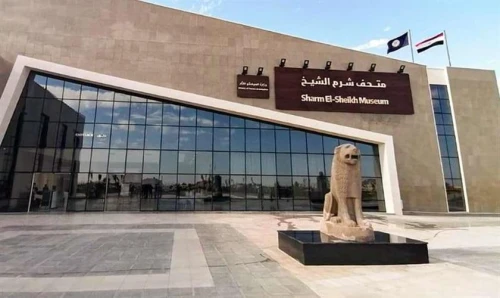
Sharm El-Sheikh Museum: Where the Glitz of the Red Sea Meets the Glory of the Pharaohs
For decades, the global reputation of Sharm El-Sheikh has been told in the language of the sea, world-class coral reefs, luxury beach resorts, sun-drenched desert safaris, and high-energy nightlife. It is a place where travelers go to switch off, dip into the water, and take a little extra time for themselves. But just a short drive from that coastal breeze near Naama Bay, sitting there quite grandly against the rugged Sinai mountains, lies an architectural gem that asks you to do something kind of different. It’s basically asking you to step out of the sun, and into the timeless spirit of Egypt. Welcome to the Sharm El-Sheikh Museum.
Opened under Egypt’s bigger vision, to mix leisure tourism with cultural enlightenment, this state-of-the-art place isn’t only a “rainy day” back up, or a quick, almost accidental stop. It’s a wonderfully curated, top-tier museum that connects the ancient world with the modern traveler. For the first time, you can feel the deep historical weight of the Nile Valley without leaving the shores of the Red Sea. In this definitive guide, we’ll dig into the ideas behind it, the jaw-dropping galleries, the standout artifacts, and the real-world visiting details for this modern cultural oasis.
The Vision: Blending "Sun and Sea" with "History and Culture"
To understand why the Sharm El-Sheikh Museum is so unique, you kinda have to zoom in on the idea, the philosophy that pushed its creation. Traditionally, Egyptian tourism got divided into two fairly clear geographic baskets. Cultural visitors tended to go to Cairo, Luxor, and Aswan, to see temples and tombs. Then leisure travelers would swing toward the Red Sea Riviera for beaches, and diving, that sort of downtime.
But when the Sharm El-Sheikh Museum arrived it basically broke that whole split. The intention was straightforward, and still kind of audacious: build a premium cultural center where a traveler can sunbathe on a spotless shore in the morning, and later—still in the same day—be standing face-to-face with a 4,000-year-old pharaonic statue in the afternoon.
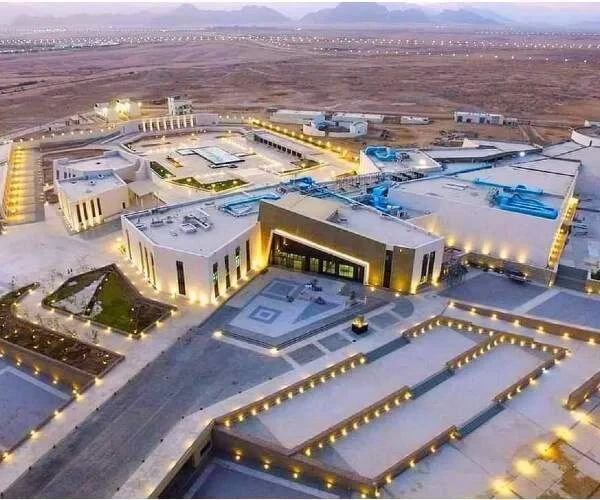
The whole complex covers over 190,000 square meters , and it really hits as a visual showpiece. Its polished, modern outside is wrapped in well kept green gardens, wide water fountains, and open air performance areas, so it feels more like a luxury cultural resort than a stiff old museum. In a way it acts as a tangible threshold, linking the mainland’s deep ancient inheritance with the outward, cosmopolitan pulse of the Sinai Peninsula.
Inside the Grand Halls: A Curation of Human Connection
Unlike older, more overwhelming museums that shove thousands of relics into endless rows of glass cases, the Sharm El-Sheikh Museum leans on a highly modern themed method of curation. The lighting is dramatic and exact, the corridors are wide and airy, and every artifact gets space, like it can breathe, so visitors can build a very personal, almost human connection with what came before.
The museum’s holdings are arranged across three grand exhibition halls, which contain thousands of carefully chosen objects that stretch through the entire timeline of Egyptian history—from the Predynastic eras, all the way into the Pharaonic, Greco-Roman, Coptic, and Islamic periods, and then onward to modern times.
1. The Hall of Wildlife and the Afterlife
Ancient Egyptians did not treat nature like it was separate from people; they saw it as a direct mirror of the divine, even if that idea feels a bit abstract today. This intriguing gallery opens up the profound spiritual bond between the ancient Egyptians, and the animal world.
The Mummified Menagerie: In here, you’ll see exceptionally preserved mummies of cats, falcons, crocodiles, baboons, and scarab beetles. They show how animals were honored as living vessels for the gods, and how they were readied for eternity alongside humans, not just “in the background”.
The Goddess Bastet: Keep an eye out for the magnificent sleek bronze statues of Bastet. She is the cat goddess tied to protection, home, and fertility, and even now her elegant shapes still give off an unmistakable air of strength, power.
2. The Hall of Daily Life and Human Grandeur
In this hall the spotlight moves away from gods, and more toward everyday, but also extraordinary, people who actually built Egypt. It kind of looks at things like family and cosmetics, the everyday rules of governance, and that steady craftsmanship.
The Royal Splendor: Here you see royal clothing, jewelry, and personal effects, but also the kind of tools, makeup palettes, and little mirrors used by regular citizens. It feels like a reminder, after thousands of years the basic wish for beauty, for order, and for family stays really the same, no matter what.
The Craftsmanship: The exhibition of old woodwork, pottery, and woven textiles points out an impressive level of know-how and artistic pride. It keeps showing up in modern design ideas, even now.
3. The Sinai Heritage and Cultural Synthesis
Placed in a very distinctive way on the Sinai Peninsula, the museum pays a sincere tribute to its own home landscape. This part explains the history of Sinai as a major crossroads for trade, military expeditions, and religious pilgrimages. It also documents the traditional life, clothes, and jewelry of local Bedouin communities, and somehow it shows how that deep heritage threads right into the larger Egyptian identity, like it belongs there.
Star Attractions: Masterpieces You Cannot Miss
While every corner of the museum seems to keep some kind of hidden treasures, there are a few world-renowned masterpieces that really, truly ask for your full attention:
The Treasures of King Tutankhamun
In a bold, kinda brilliant move to bring Egypt’s most famous pharaoh closer to the Red Sea the museum puts on a magnificent rotating set of authentic artifacts drawn from the tomb of King Tutankhamun. You stand there, inches away from the young king’s personal hunting chariots, his ceremonial chairs and his intricately carved game boards (Senet) and it feels like a spine tingling jolt that instantly shifts your mind back into the Valley of the Kings.
The Statue of Hatshepsut
Keep an eye out for the imposing, beautifully carved statue of Queen Hatshepsut, often described as Egypt’s most successful female pharaoh. Sculpted from fine limestone, the figure shows her offering gifts to the gods, while she wears the traditional pharaonic headdress. The tiny, careful detail in her calm facial expression is basically proof of the supreme skill of ancient royal sculptors.
The Greco-Roman Masterpieces
Here the museum really leans into the cultural melting pot of Egypt’s later eras. You’ll see stunning marble statues of Greek and Roman deities, carved with that flowing, emotional realism that feels like classical European art, but then dressed in traditional Egyptian religious symbols. It’s a fascinating historical window where East meets West in a near perfect artistic marriage, which is just… honestly hard to forget.
Practical Tips for the Discerning Cultural Traveler
So ok, if you want your premium visit to the Sharm El-Sheikh Museum to feel really seamless, just keep a few expert travel ideas in mind, before you go.
Evening magic sort of thing: the museum feels especially good at night. The ambient lighting around the outdoor gardens and inside the galleries gives this dramatic, very sophisticated vibe. And honestly, going after sunset is also a great trick to dodge the daytime desert heat.
Works well for families too: because the layout is roomy, there are interactive digital info screens, and the wildlife exhibits are genuinely engaging, it turns into a nice low-stress, educational family afternoon. Kids usually stay interested without too much fuss.
Where it is, and how to reach it: it’s on El-Salam Street, so you can reach it easily by taxi or private car from anywhere in Sharm El-Sheikh (about 15 minutes from Naama Bay and 20 minutes from Nabq). It is fully wheelchair friendly, and yes stroller access is there as well.
Pair it with Old Market: if you want a full cultural day, do the afternoon at the museum, then head to the Sharm Old Market in the evening. You can admire the spectacular architecture at the Al-Sahaba Mosque, then enjoy a proper Egyptian dinner that feels real.





-webp.webp "Hilton")
-webp.webp "dusit")
-webp.webp "Marriott Hotels")
-webp.webp "Azimut Hotel")
-webp.webp "Golden Tulip")
-webp.webp "sheraton")
-webp.webp "westin hotel")
-webp.webp "Movenpick")