


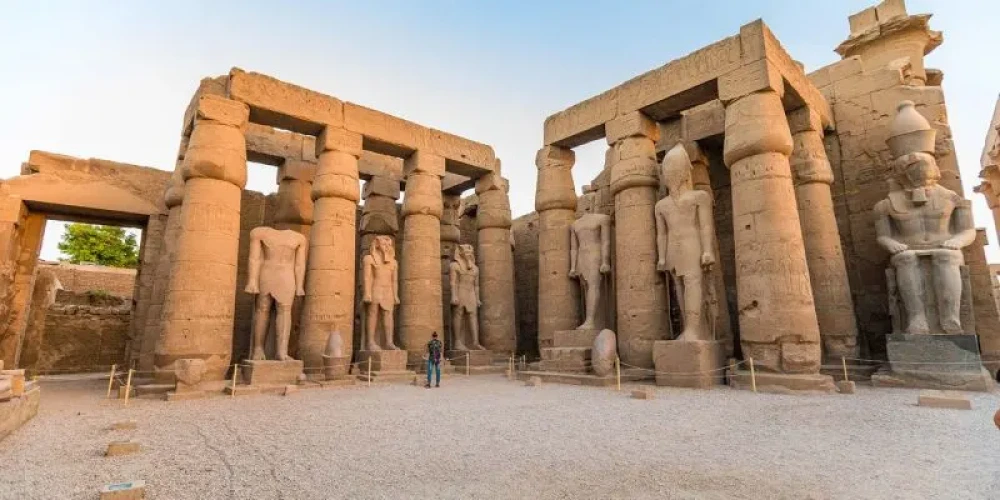
The Karnak Cachette Discovery
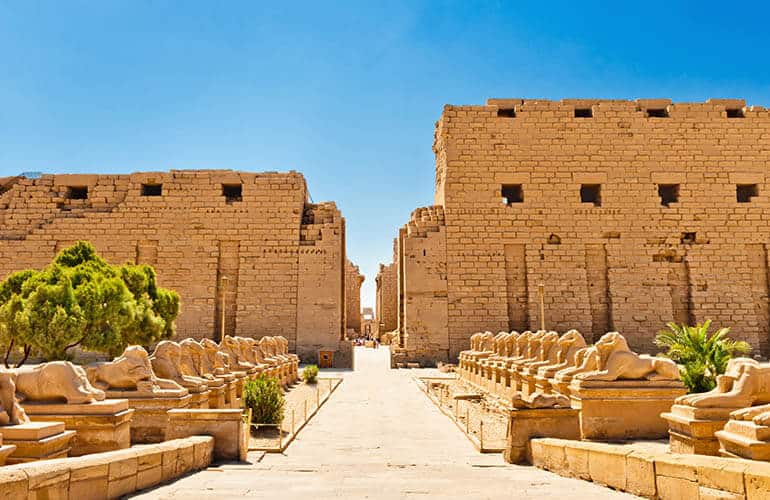
The Karnak Cachette Discovery
Delve into Egypt's captivating history through Georges Legrain's Karnak Cachette find—unveiling royal statues and diverse artifacts spanning ancient eras, enriching our understanding.
Karnak Cachette was one of the greatest archaeological discoveries in the history of Egypt and in the golden city of Thebes known today as Luxor. The land which belonged to celestial royalty contained its most exquisite artifacts and monuments which displayed all the extraordinary treasures from the Old Kingdom (2700 to 2200 BC) and Middle Kingdom (1782 to 2040 BC) and New Kingdom Period (1550 to 1070 BC) and Ptolemaic period of ancient Egypt. The first half of the 20th century had this important discovery which a French Egyptologist uncovered lead to multiple major insights about how ancient Egyptian civilization developed and progressed throughout its history.
Georges Legrain: Who Discovered The Cachette
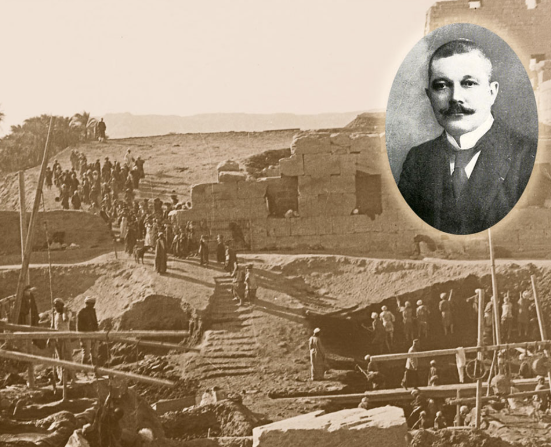
George Legrain developed an interest in Egyptology after he studied at the École des Beaux-Arts in Paris from 1883 until 1890 and then at the Sorbonne with Gaston Maspero and other Egyptologists until 1892 when he traveled to Egypt. The same year he joined the French Institute of Oriental Archaeology as an archaeological draftsman and illustrator to work with J. De Morgan on excavations. The Service of Antiquities hired him as Inspector-Artist because of his exceptional abilities but he later became director of works at Karnak in 1895. He discovered multiple concealed temples and a wide range of artifacts while conducting his research at Karnak. He dedicated his efforts toward restoring the great Hypostyle hall in Karnak by implementing cutting-edge techniques to restore the massive stones. The outbreak of World War I in 1915 forced him to stop all work at Karnak because he continued to work there until that time. He worked as inspector of Upper Egypt, where he managed projects that protected Luxor temple from flood damage. He died on August 22, 1917 after experiencing a sudden illness while he was in charge of implementing flood protection systems. His legacy continues through the extensive restoration work and archaeological discoveries that were achieved at Karnak during his time there.
The Excavation of Karnak Cachette
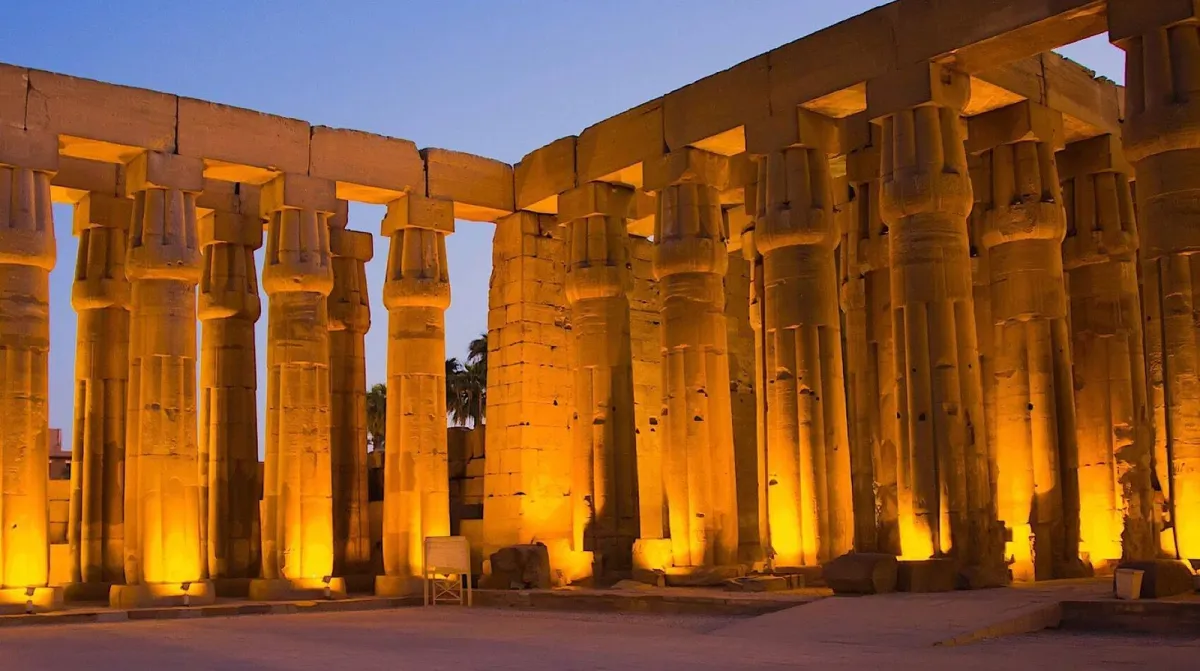
In 1903, French Egyptologist Georges Legrain discovered a major archaeological site which he found during his excavation work in the north-west area of the Amun temple courtyard located in front of the seventh Pylon at Karnak temple which contains architectural elements from ancient Egyptian times including the Middle Kingdom and New Kingdom and Ptolemaic period. The archaeologist continued to excavate the site for four years because he wanted to find the hidden cache which contained more than seven hundred stone statues and 17000 bronze items that most museums display in the Egyptian Museum and other global museums which mostly showcase statues from the New Kingdom of Egypt until the Ptolemaic era. The discovery included an Egyptian Old Kingdom statue base which contained the lower section of the 5th Dynasty King Niuserre statue as well as royal statues of Senusret I, Senusret III, and Amenemhet III from the Middle Kingdom. The Cachette displays a crucial source which shows how Karnak priests conducted their different ceremonial activities while this discovery reveals details about various artistic trends that existed during multiple time periods. The list contains every detail about the objects made by Legrain, but it vanished after his death. The identification of the different artifacts found at the cachette remained impossible until 2006 when the Supreme Council of Antiquities of Egypt and Institut Français d'Archéologie Orientale established a joint project which created a database that contained every detail about the Karnak cachette. The 2012 web database allowed online access to 8000 excavation photographs which Legrain himself took during the dig.
Statues Of Karnak Cachette
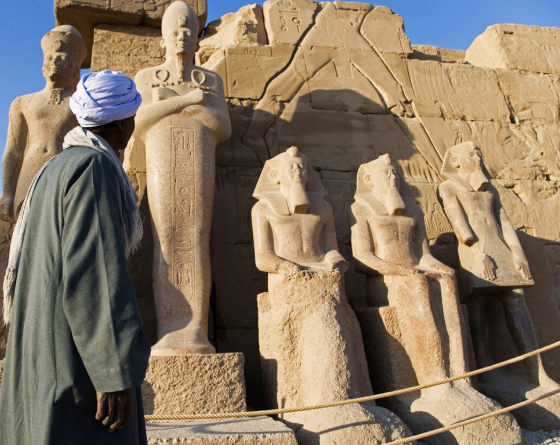
The site contained statues which existed outside of royal Sculptures because they belonged to Karnak's New Kingdom to Ptolemaic period priests. The clergy cache provides valuable information about the religious development which occurred through local religious customs. The system enables scientists to trace Theban family lines throughout multiple generations. The cache serves as an important asset for art history because it presents various sculptural styles and multiple small artifacts which include stelae and inlay plaques and amulets and votive cubits which Legrain found during his excavation work.
The Karnak Cachette enhances our understanding of Egyptian civilization because it demonstrates their worldwide influence. The 2004 exhibition in Grenoble and Cairo dedicated to the cache's centennial showed 25 new Egyptian masterpieces which Legrain discovered. The most well-known statues from Karnak Cachette include the following discoveries.
Karnak Cachette Artifacts Which Became Ambassadors Of Karnak In Egypt And Worldwide
The Egyptian Museum in Cairo received most artifacts from the Karnak Cachette, which archaeologists uncovered at the Karnak Temple site. The establishment of provincial museums in Egypt during that time led to the movement of certain artifacts from Luxor and Aswan and Alexandria and additional Egyptian cities. The research results extend their impact to international boundaries because they function as cultural ambassadors for ancient Egyptian civilization. The two men presented gifts to their important visitors which they later sold while some items ended up with art dealers who operated without permission from authorities. The Karnak Cachette now has artifacts which numerous museums across the globe display to their visitors. The Walters Art Gallery in Baltimore and the Metropolitan Museum of Art and the Brooklyn Museum in New York and the Egyptian Museum in Berlin and the British Museum in London all present important collections to their audiences.




-webp.webp "Hilton")
-webp.webp "dusit")
-webp.webp "Marriott Hotels")
-webp.webp "Azimut Hotel")
-webp.webp "Golden Tulip")
-webp.webp "sheraton")
-webp.webp "westin hotel")
-webp.webp "Movenpick")
