
The Secret of Min: Why the God of Fertility is Egypt’s Most Controversial Icon
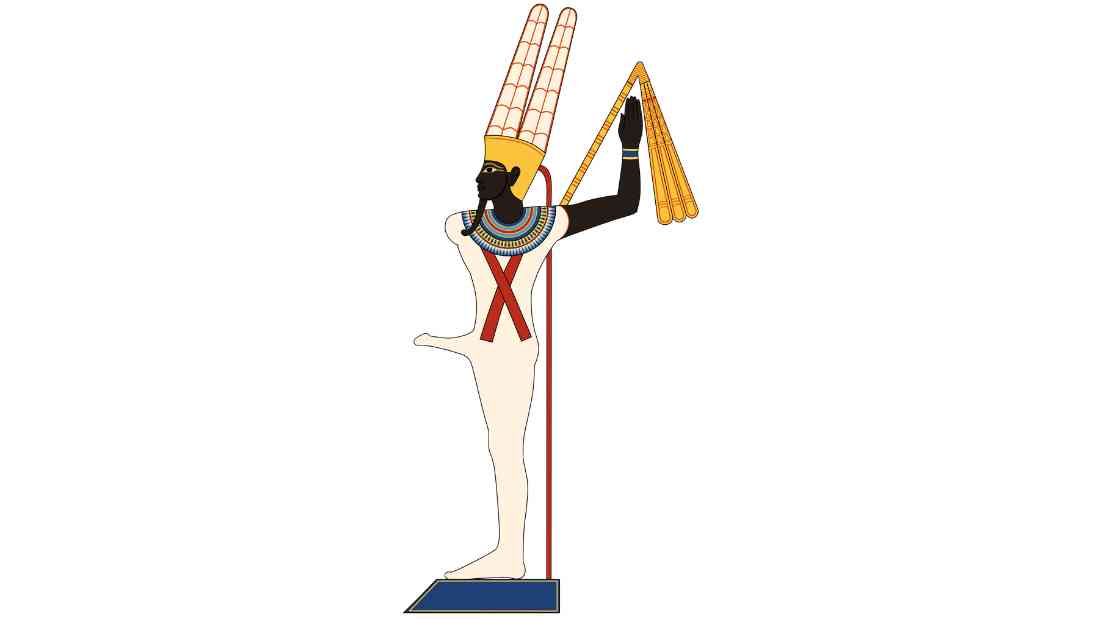
If you’ve ever walked through the temples of Luxor or Karnak and noticed a figure that made you double-take, you’ve likely met Min. Unlike the serene Osiris or the majestic Horus, Min is depicted in a way that is impossible to ignore: he is the God of Fertility, Virility, and the Harvest, and his imagery is as bold as his legend.
For travelers planning their 2026 Egyptian odyssey, understanding Min is the key to unlocking the "earthy" side of ancient Egyptian spirituality.
The Protector of the Desert and the Bedroom
Min was one of the oldest gods in the Egyptian pantheon, worshipped as far back as the Predynastic period. He held a dual role that might seem strange today but made perfect sense to the Pharaohs:
-
Lord of the Eastern Desert: He protected the trade routes and mining expeditions heading toward the Red Sea.
-
Master of Virility: He was the ultimate symbol of reproductive power, ensuring the continuation of the Pharaonic bloodline and the abundance of the Nile’s crops.
The "Lettuce" Legend: More Than Just a Salad
One of the most fascinating (and human) details about Min is his obsession with Lettuce. In ancient Egypt, the long-stalked "Prickly Lettuce" wasn't just food; it was considered an aphrodisiac.
When it was cut, it released a milky sap that the Egyptians associated with life-giving fluids. This is why you will see Min standing in front of "lettuce patches" in almost every temple relief. It’s a quirky historical detail that always gets a laugh—and a lot of questions—from travelers on a private tour.
Why Min Matters for Your 2026 Nile Journey
When you visit the Temple of Khnum in Esna or the Temple of Edfu during a boutique Dahabiya cruise, look for the "Festival of Min."
This wasn't just a religious ceremony; it was a massive public celebration. The Pharaoh himself would participate, symbolically hoeing the ground to ensure the land remained fertile for the upcoming year. It’s a powerful reminder that for the Egyptians, divinity wasn't just in the sky—it was in the soil, the food, and the family.



-webp.webp "Hilton")
-webp.webp "dusit")
-webp.webp "Marriott Hotels")
-webp.webp "Azimut Hotel")
-webp.webp "Golden Tulip")
-webp.webp "sheraton")
-webp.webp "westin hotel")
-webp.webp "Movenpick")