


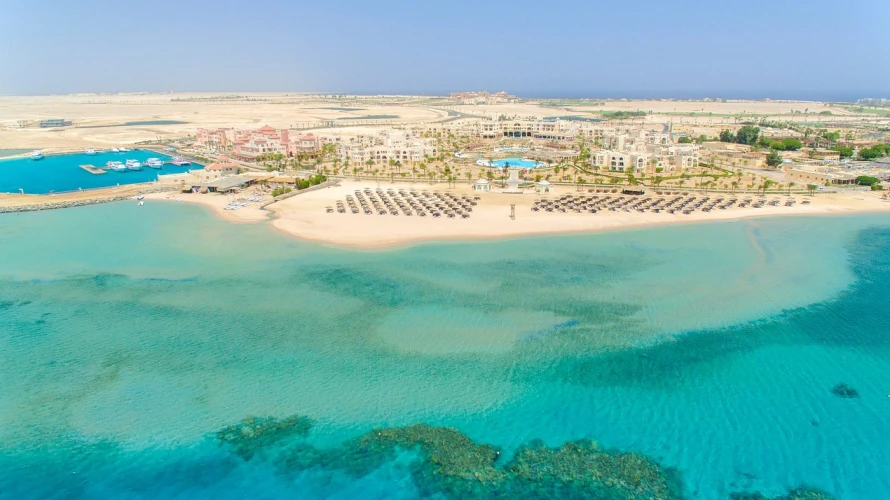
Why Cairo Hotel Choice Matters More Than You Think
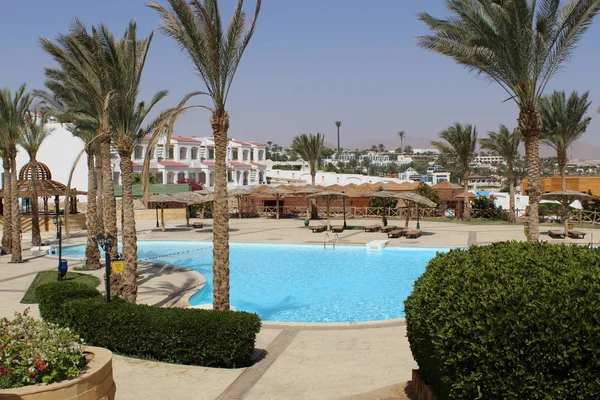
Cairo isn’t a city you casually pass through—it sweeps you up, spins you around, and hands you stories you’ll tell for years. Your hotel becomes your quiet base camp, your water-refill station, your wi-fi lifeline, and, if you choose well, your sunrise-and-minarets viewing deck. Pick right and the city becomes effortless; pick wrong and every outing turns into a small odyssey. Here’s how I make the decision with a clear head and a happy wallet.
Start With the Map, Not the Price
I always open a map before I open a booking site. Cairo is vast, traffic is legendary, and crossing the city can chew up hours you could spend at the Egyptian Museum or floating on a felucca. Decide what you want to be near:
Giza Plateau (Pyramids, Sphinx): Ideal for sunrise or sunset views and a calmer vibe at night. Great for families and photographers.
Downtown (Tahrir Square, Egyptian Museum): Best for first-timers who crave walkability, cafes, and quick Uber rides to most spots.
Zamalek (Gezira Island): Leafy, upscale, art galleries and embassies; quieter nights, great dining.
Garden City: Elegant, riverside, close to ministries and the Corniche—popular with business travelers.
Heliopolis/New Cairo: Convenient for early flights, conferences, and modern malls; farther from classic sights.
Once I’ve circled two neighborhoods, then I check prices. A slightly pricier stay in the right area often saves hours and transit costs.
Match Your Trip Style to the Hotel Type
Cairo has a personality for every traveler; your hotel should mirror yours:
Luxury riverfront icons: Big-name properties with Nile views, rooftop pools, and impeccable security. Worth it if you’re celebrating or want a breezy landing after a long-haul flight.
Boutique and design stays: Characterful rooms, local art, maybe a courtyard breakfast. Perfect for couples and solo travelers who love charm.
Business hotels: Predictable comfort, strong wi-fi, efficient check-in, solid breakfast. A safe bet if you’re mixing meetings and sightseeing.
Family-friendly resorts (especially near Giza): Larger rooms, pools, gardens, and kid-friendly buffets.
Budget and mid-range gems: Cairo is generous here—clean rooms, helpful staff, and central locations if you choose carefully.
Safety, Security, and Peace of Mind
I scan for visible security measures, controlled entrances, and in-room safes. Major hotels typically partner closely with local authorities and have multiple checkpoints. That said, I also trust traveler reviews for real-world signals: how late did people return, how did the area feel at night, were there reliable taxis or ride-hailing pickups right outside?
The Nile View Question: Splurge or Skip?
A Nile-facing room is Cairo’s screensaver come to life—but it can tilt your budget. I treat it as a one-night splurge: book the view for your first or last night to savor the magic, then move to a more economical room or property. If you only care about the view, pick a hotel with a shared rooftop so you can have your sunrise without paying for it nightly.
Transport: Reduce Friction, Add Joy
I look for hotels that make movement easy:
Walkability to at least a few cafes, ATMs, and a pharmacy.
Easy Uber or Careem pickup spots with minimal one-way street headaches.
Proximity to a metro station if you plan to use public transit.
On-site or partnered drivers for day trips (Giza, Saqqara, Dahshur), with transparent rates.
If your flight lands at wild hours (very common), airport transfers matter. A pre-arranged pickup can be worth more than you think after midnight.
Rooms That Actually Rest You
Cairo hums late into the night. I check for double-glazed windows, blackout curtains, and firm mattresses in reviews. Street-facing rooms can be lively; higher floors often sleep better. If you’re sensitive to noise, ask for an interior or courtyard room. Air conditioning is non-negotiable in warm months, and hot water pressure matters more than you’d expect after a dusty day at the pyramids.
Wi‑Fi, Workspaces, and Power
If you’ll work a bit, you’ll want stable wi‑fi, desk space, and plentiful outlets. I also glance at co-working or cafe options nearby. Power adapters: Egypt uses Type C and F sockets, 220V. Many upscale hotels have universal outlets; budget spots, not so much. I carry a compact adapter anyway.
Breakfast: More Than a Meal
I judge a hotel’s heart by its breakfast. A generous spread with ful medames, falafel, fresh fruit, and decent coffee sets the tone. Early touring days demand a takeaway box option—ask in advance. If your room rate doesn’t include breakfast, do the math; Cairo’s cafes are excellent, and sometimes it’s cheaper (and tastier) to eat out.
Cleanliness and Maintenance Clues
Beyond star ratings, I scan recent photos and note bathroom grout, towels, and AC units. Are there consistent comments on water temperature swings, elevator reliability, or patchy housekeeping? A single complaint is noise; a chorus is a pattern. Boutique charm should never excuse musty odors or wobbly fixtures.
Staff That Advocate for You
Cairo hospitality can be wonderfully warm. I favor properties where staff proactively help: confirming rides, negotiating fair taxi rates, grabbing SIM cards, advising on tipping norms, and flagging closures or festivals that affect routes. When reception treats you like a temporary local, everything clicks.
Budgeting Smart: What Your Money Buys
Cairo’s value curve is friendly. Here’s how I roughly frame it (prices fluctuate by season):
Budget: Clean, central rooms with AC and private bath. Modest amenities. Good for short stays.
Mid-range: Nicer finishes, better breakfasts, possibly a small gym or pool. Great balance for most.
High-end: Nile views, multiple restaurants, spa-level pools, concierge polish. Ideal for special occasions or decompression days.
I also check for add-on fees (airport transfer, laundry by item, late checkout) and payment quirks (some places prefer cash or add a surcharge for cards). If you’re converting currency, remember to escape the dollar sign as \$ in any notes you keep.
When to Book and When to Wait
Peak demand: Winter months, major holidays, and school breaks—book earlier, especially for Zamalek or riverfront.
Shoulder seasons: You can often nab promos a few weeks out.
Last-minute: Cairo can surprise you with same-week deals, but options shrink in popular areas.
Flexible cancellation is my sanity saver. I’ll lock a good rate, then re-check two or three times before arrival.
Special Cases: Families, Solo Travelers, and Business Trips
Families: Prioritize space, pool access, kid-friendly dining, and proximity to daytime sights so mid-afternoon rests are easy.
Solo travelers: Choose lively yet safe neighborhoods (Downtown, Zamalek), 24/7 reception, and strong lighting outside the entrance.
Business: Reliable wi‑fi, quiet floors, meeting rooms, and reasonable commute times to your appointments. Garden City and New Cairo shine here.
My Shortlist Process (Step by Step)
Pick two target neighborhoods based on your must-see list.
Filter hotels by safety, wi‑fi, AC, breakfast, and cancellation policy.
Sort by traveler reviews in the last six months; scan photos for maintenance clues.
Map distances to two or three daily anchors (museum, dinner street, Nile).
Check room types and noise exposure; message the property if you’re noise-sensitive.
Compare rates across platforms and the hotel’s site; factor in taxes and breakfast.
Lock a flexible rate, then set a reminder to re-check prices.
A Word on Day Trips and Concierge Value
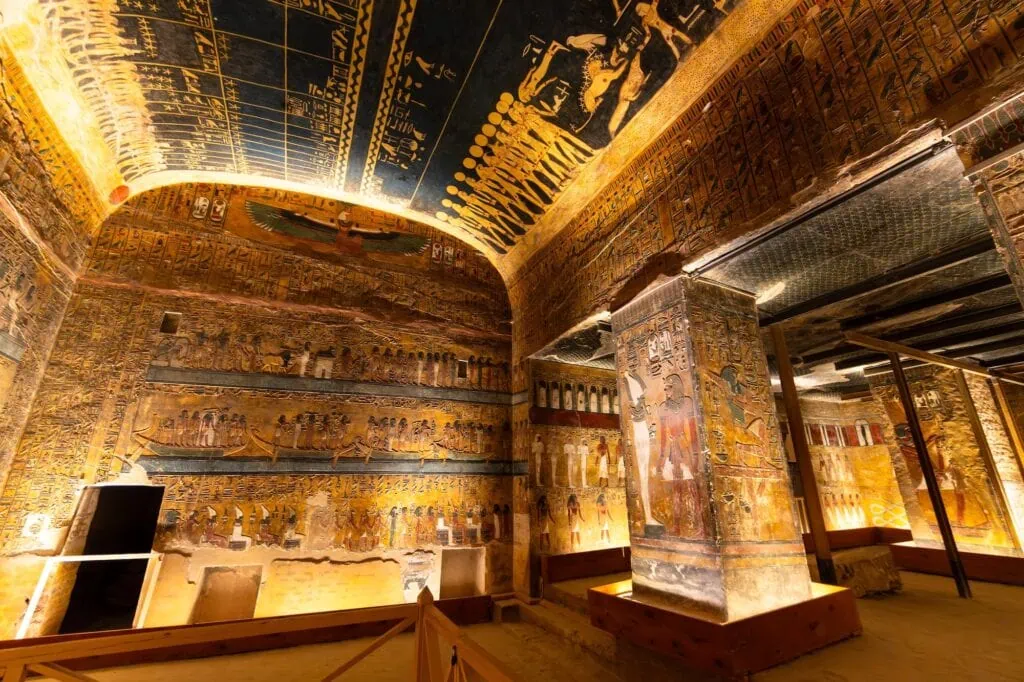




-webp.webp "Hilton")
-webp.webp "dusit")
-webp.webp "Marriott Hotels")
-webp.webp "Azimut Hotel")
-webp.webp "Golden Tulip")
-webp.webp "sheraton")
-webp.webp "westin hotel")
-webp.webp "Movenpick")
