
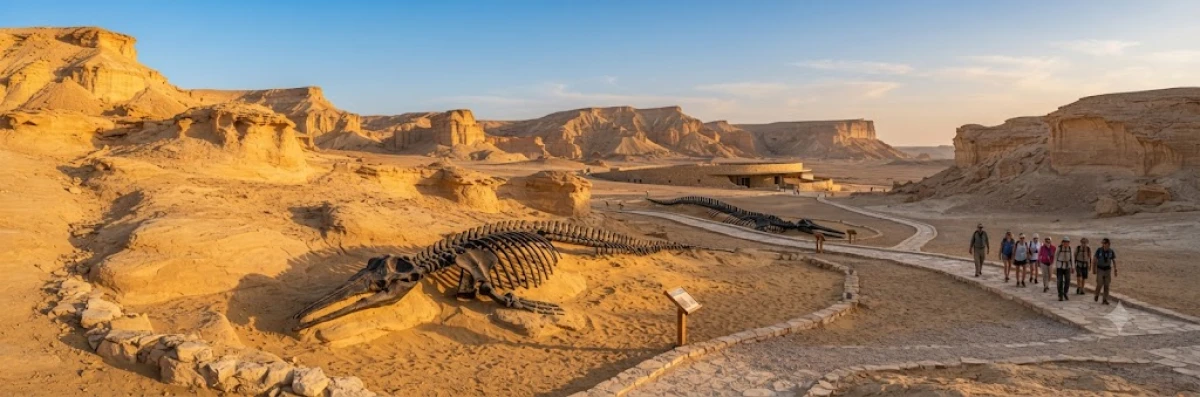
Where the Desert Meets the Sea: A Journey to Wadi El Hitan
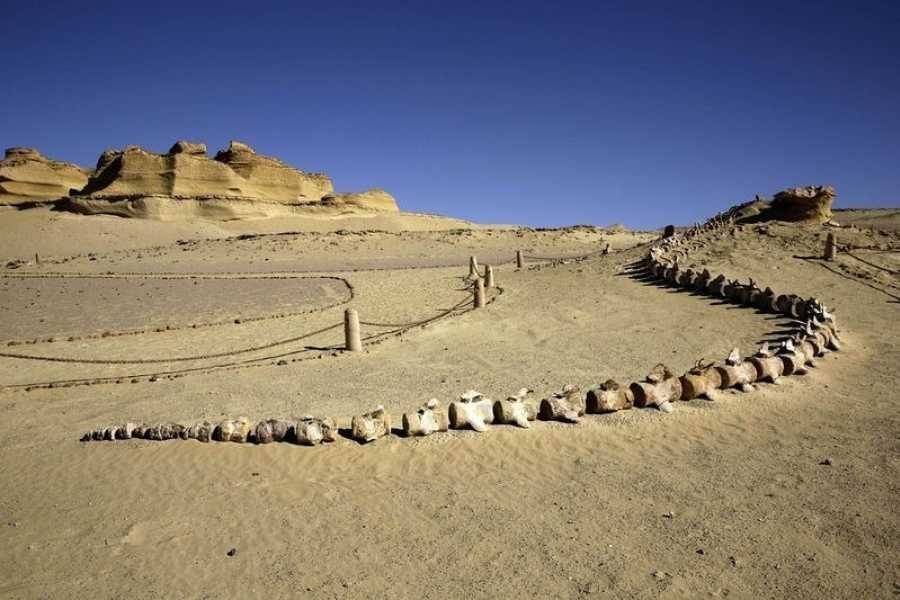
Time Travel to the Desert: A Journey Through Wadi El Hitan
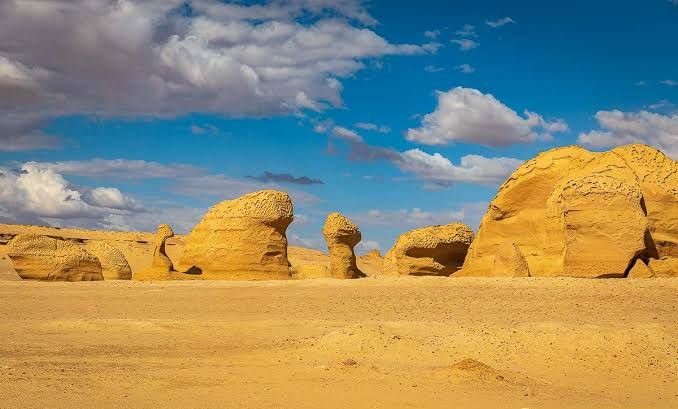
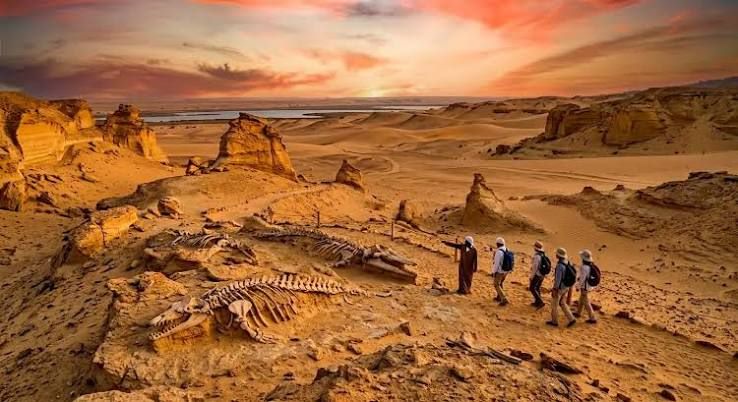
Picture yourself standing right in the middle of a huge golden stretch of desert. The sun is warm, the wind is kind of whispering to you , and all you see, for miles and miles, are rolling dunes plus a few rocky outcrops. It feels, honestly, like the middle of nowhere. Then you glance down, and suddenly your whole view of the world tilts, like, dramatically. There on the desert floor, etched in plain sight, are the massive, obvious remains of a whale.
Yeah, a whale. Just sitting there in the desert.
This is Wadi El Hitan, also called the Valley of the Whales. It’s in Egypt’s Western Desert, roughly a four-hour drive from the busy streets of Cairo, and it’s not only a simple visitor stop it’s like a gateway into a world from about 40 million years back.
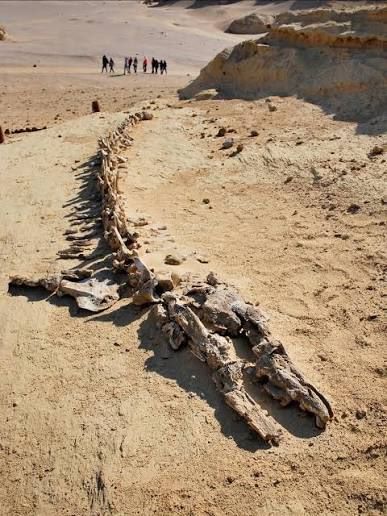
A Walk Through Deep Time
When you first show up at the Valley of the Whales, it can be pretty easy to feel small, like instantly. The landscape is rough , mostly quiet, and honestly surprisingly peaceful. It’s a UNESCO World Heritage site for a reason , and you feel that reason in your chest. Researchers often say it’s the most crucial place on Earth for learning about one of the biggest evolutionary mysteries: how whales shifted from land roaming creatures into the ocean giants we see today.
As you wander along the marked trails you aren’t only watching stones. You’re looking at the leftover bodies of Basilosaurus and Dorudon. And they weren’t those smooth, streamlined whales we get in documentaries. Instead, these animals still had vestigial hind legs, sort of holdovers from when they were spending time walking on land. Spotting those little bony legs on a skeleton that is otherwise clearly whale-like, it’s a kind of moment that just stops you, mid-step. Suddenly the idea of “evolution” stops being an abstract word, and it feels personal, very real.
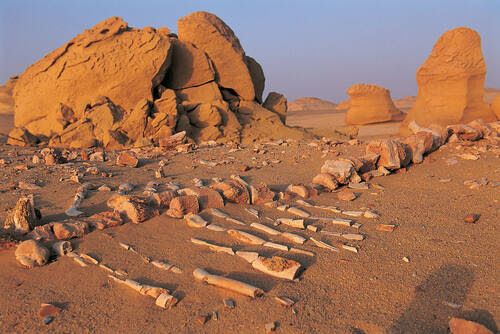
Why Does This Place Feel So Personal?
Honestly there’s something pretty grounding about going to Wadi El Hitan. Like, in everyday life we get pulled into screens, deadlines, and this constant hum, of the modern world, and it makes it hard to breathe. You end up thinking about what’s coming next week or next year, or even just the next hour, like it’s all stacked on top of you.
But once you’re there, time kind of… loosens. It stretches out in a way that makes your worries feel, well, small, in a way that’s oddly comforting. You’re standing on what used to be the seabed of the Tethys Sea. You’re walking along the same kind of ground where ancient creatures swam around, long before anyone had names for any of it. And when you actually touch a fossilized bone, something that’s stayed put for millions of years, you can’t really help it. You start to notice, the endurance of life, like it’s just continuing, no matter what.
Also the park is kind of built around this “human” feeling, you know. There aren’t those velvet rope vibes, separating you from the past. Instead it’s dirt paths, simple and close, and the fossils are right there. They’re kept safe by the same sand that preserved them for eons. It feels like a private find almost, even though you’re aware that thousands of people have done the exact same walk before you.
Practical Magic: What to Expect
If you’re planning on making the trip, then ok here is what you should take into account , so you get the most out of it.
1. The Journey is Part of the Experience
The drive from Giza or Cairo takes you through the Faiyum Oasis. You’ll pass lush green fields, palm trees, and the lovely Lake Qarun, then the scenery changes , sort of fast, into a rough rocky desert. Honestly, watching the world shift outside your car window is a smooth way to go from the city’s chaos to the valley’s quiet.
2. Go Along with a Guide
You can walk the paths on your own, sure, but I really suggest you hire a local guide. There’s a huge difference between just looking at a pile of bones, and having someone explain the whole drama of how these creatures lived. They can spot little things in the rock layers you would probably step past without noticing. In a way they turn those “rocks” into real narratives.
3. The Fossil Museum
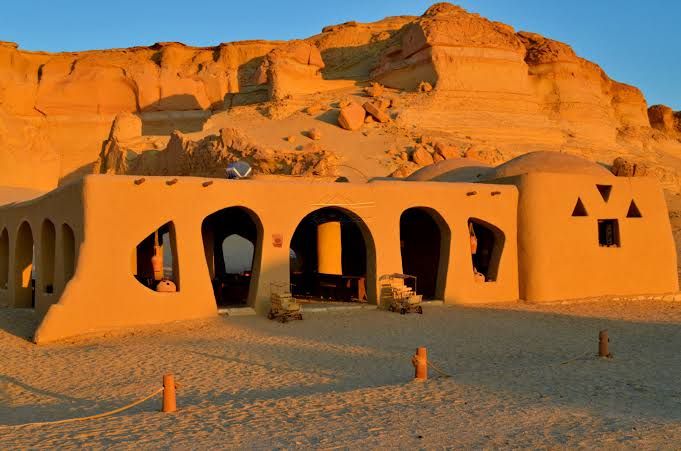
Don’t ignore the visitor center. It’s kind of an architectural marvel, and it blends into the desert landscape in a way that feels natural. Inside, you’ll find a skeleton of a massive whale, and it looks perfectly preserved. Seeing it in a climate controlled, well lit space makes it much easier to grasp the size , before you go see them out in the wild.
4. Respect the Silence
Try to visit early morning, or late in the afternoon. During these hours, the desert light makes the rocks show up in deep orange and purple shades. The heat is also more reasonable , and the silence… it’s actually absolute. That’s when you can sit on a rock , look across the valley, and just breathe, without rushing anything.
Why You Should Go
We often head out to check big cities, well known landmarks, or packed shorelines. We go to look at what was made by people. But Wadi El Hitan feels… kind of different. It makes you feel like you’re just one small paragraph in a much much longer, story.
There’s this quiet, strange joy in standing there and realizing it used to be underwater. It sort of nudges you, to notice that the ground is always moving, adjusting, and re inventing itself. It’s a spot that sort of begs for reflection. You arrive thinking you’re coming for whales, and then you somehow walk away with a better sense of your own position in the world.
No matter if you’re into history, into nature, or you’re simply trying to get out of the city for a day, this valley has this way of staying with you. It’s haunting and beautiful, and at the end of the day, also hopeful. It keeps reminding us that life is tough, that change is the only real constant, and that loveliness shows up in the oddest little corners on Earth—even right in the middle of a dry, empty desert.
So grab some water, wear your comfiest shoes , and get ready to step back through time. The whales are waiting to hand you their account.




-webp.webp "Hilton")
-webp.webp "dusit")
-webp.webp "Marriott Hotels")
-webp.webp "Azimut Hotel")
-webp.webp "Golden Tulip")
-webp.webp "sheraton")
-webp.webp "westin hotel")
-webp.webp "Movenpick")