


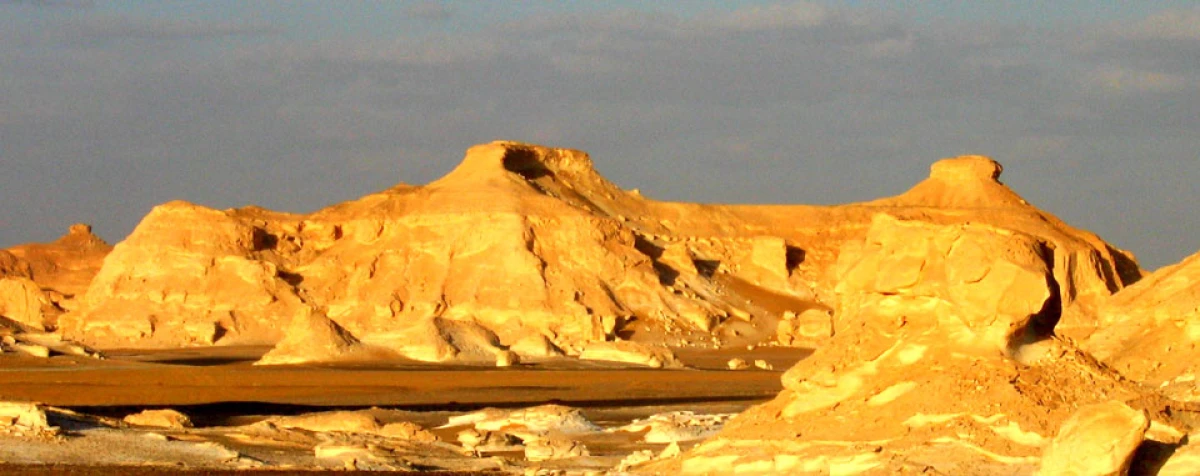
Travel Tips for First Time Visitors to Egypt
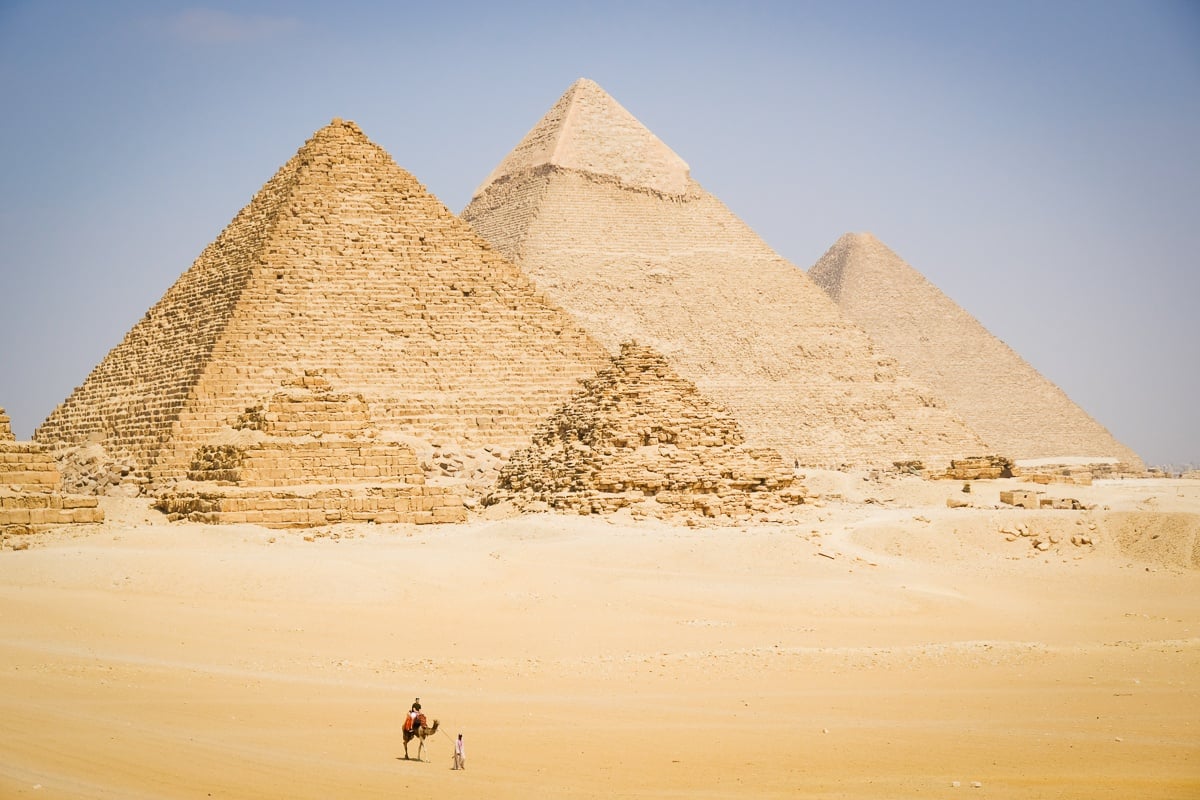
Egypt gets inside people in a way that very few countries manage. Most first-time visitors arrive with a set of expectations built from photographs, documentaries, and the distant mythology of the ancient world — and within twenty-four hours the country has already started dismantling all of them, replacing them with something far more complicated, more human, and more memorable.
Traveling to Egypt for the first time is not difficult. It is well set up for international visitors, the people are genuinely hospitable, and the country's tourist infrastructure has been refined across decades of welcoming travelers from every corner of the world. But like any destination with depth and character, it rewards those who arrive prepared. The more you understand before you land, the more you can focus on actually experiencing the place rather than navigating avoidable confusion. Here is what is worth knowing.
Before You Arrive
Entry, Visas, and the Basics of Getting In
Entry into Egypt is straightforward for most nationalities. Visitors can purchase a visa on arrival at the international airports in Cairo, Hurghada, and Sharm El Sheikh, or apply through Egypt's official e-visa portal in the days before travel. The online route has the advantage of letting you walk through passport control without joining a visa queue after a long flight, and the process itself is simple enough to complete in under fifteen minutes. Whichever route you choose, make sure your passport has at least six months of validity remaining from your date of arrival — this is a requirement that occasionally catches travelers off guard.
Travel insurance is not a requirement for entry, but it is a genuine necessity rather than a bureaucratic formality. Egypt's resort areas have good private hospitals and clinics that are equipped to handle everything from minor injuries to more serious medical situations, but healthcare here operates on a pay-first basis, and the cost of treatment without insurance cover can be significant. Take out comprehensive cover before you travel, read what it includes for diving if that is on your agenda, and keep the policy number somewhere accessible rather than buried in your inbox.
Managing Money
Currency, Cash, and How Payments Work
Egypt's currency is the Egyptian pound, and understanding how the local payment ecosystem works will save you time and friction throughout your trip. ATMs are available in all resort cities and in Cairo, and they work reliably with international debit and credit cards. Most major hotels and larger restaurants accept card payments without any difficulty. Where cash matters is everywhere else — local taxis, market stalls, dive centers, waterfront restaurants, and the kinds of small interactions that make up much of the texture of daily travel here. Carrying a reasonable amount of local currency at all times is a simple habit that keeps things moving smoothly.
Currency exchange desks inside airports offer notably worse rates than the exchange offices and banks you will find in town. The sensible approach is to change enough at the airport to cover your first few hours — a taxi, a tip, a bottle of water — and convert the rest once you have settled in and can shop around for a better rate. The difference is not dramatic, but it adds up over the course of a week.
Tipping, known locally as baksheesh, is embedded in Egyptian culture in a way that first-time visitors sometimes find confusing or uncomfortable. It is not an optional formality — it is a genuine part of how service workers earn a living, and handling it graciously is both a courtesy and a practical social skill. Hotel housekeeping, restaurant servers, guides, drivers, and the person who carries your bag all expect to be tipped, and doing so appropriately generates goodwill that makes every subsequent interaction warmer.
Cultural Awareness
Understanding the Culture Before You Land
Egypt is a Muslim country with deep traditions of hospitality, religiosity, and social warmth. The resort zones operate under a relaxed atmosphere shaped by decades of international tourism, and visitors will not feel out of place in beach attire by the pool or on the seafront. But Egypt beyond the resort perimeter is a different environment, and first-time visitors who understand this distinction will have a considerably richer experience.
Dress modestly when you move outside the hotel zone. This does not mean formal clothing — it means covering your shoulders and knees in markets, on city streets, and when visiting historical or religious sites. A lightweight scarf or cover-up takes up no space in a bag and makes you immediately more appropriate in settings where conservative dress is the norm. Local people notice and appreciate the gesture, and the warmth of interactions that follow is not incidental.
Photography is one of the areas that most surprises first-time visitors. Egypt is one of the most photogenic countries on earth — the light on ancient stone, the colors of a market, the faces of people going about their lives in extraordinary historical surroundings — and the instinct to photograph everything is completely understandable. But photographing people without asking, pointing cameras at military or government buildings, and shooting inside certain religious sites without permission can each create problems ranging from offended locals to confiscated equipment. Ask before you photograph anyone. When in doubt about a building or space, ask whether photography is permitted rather than assuming it is.
Ramadan, if your visit coincides with it, deserves particular mention. During this month Muslims fast from sunrise to sunset, and the texture of daily life in Egypt shifts noticeably — restaurants may be closed during daylight hours in non-tourist areas, the pace of the day changes, and the evenings come alive in a way that is quite unlike anything you will experience at other times of year. Eating, drinking, or smoking in public during daylight hours in Ramadan is considered disrespectful. Being aware of this and adjusting your behavior accordingly is a small act of consideration that is always appreciated.
Egyptian hospitality is not a performance put on for tourists — it is a genuine cultural value, and the warmth you will encounter from ordinary people is one of the most lasting impressions the country leaves. Engage with it honestly rather than treating it with suspicion, and you will find that Egypt opens up to you in ways that a purely resort-based holiday never would.
Health and Safety
Staying Healthy and Safe in Egypt
The most universal health consideration for first-time visitors to Egypt is water. Tap water is not safe to drink anywhere in the country, including the resort areas. Bottled water is widely available, inexpensive when purchased from supermarkets, and absolutely non-negotiable as a daily habit. This extends to ice in drinks at informal establishments, salads washed in tap water, and fruit that has been peeled and left out — all are worth approaching with a degree of caution during the first few days, until your stomach has adjusted to the local environment.
Sun protection is the other daily health reality of Egypt that first-time visitors frequently underestimate. The Egyptian sun, particularly between the months of April and October, is significantly more powerful than most European visitors are accustomed to. Burning happens quickly and without much warning, particularly on open boats, on sandy beaches where light reflects upward, and during morning snorkeling sessions when the water keeps you cool while the sun does its work unimpeded. Bring substantial sun protection from home, apply it frequently, and cover up during the midday hours rather than pushing through.
Food safety is less precarious in the main resort areas than first-time visitors sometimes fear, but some common sense applies. Freshly cooked food from busy local establishments is generally safe and often delicious. Food that has been sitting out, particularly in heat, is more of a risk. The sensible approach is the same one that applies anywhere with a hot climate — eat where the food is being cooked to order, be cautious with anything that looks like it has been waiting, and trust your instincts.
In terms of personal safety, the main resort cities of Hurghada, Sharm El Sheikh, and Dahab are well-policed tourist environments where serious crime targeting visitors is uncommon. The more relevant safety awareness for most tourists involves traffic — Egyptian roads operate by a logic that takes some adjustment, and crossing streets in cities requires attention and patience — and the kind of opportunistic attention that comes with being a visible tourist anywhere. Keep an eye on your belongings in crowded spaces, be confident and direct when declining unwanted attention, and use registered taxis or ride-hailing apps rather than accepting unsolicited offers of transport.
Getting Around
Transport, Getting Around, and Moving Between Cities
Arriving in Egypt for the first time is considerably smoother when you have arranged an airport transfer in advance. Most hotels offer this service, and a number of reputable local operators provide it as well. Having a driver with your name on a sign waiting at arrivals removes the negotiation and uncertainty of the first hour in a new country, and for a first-time visitor it is worth the small additional planning required.
Within resort cities, taxis are the default mode of transport for most visitors. They are plentiful and widely available, and the protocol is simple: agree on a destination and a fare before you get in. Ride-hailing apps operate in Hurghada and Sharm El Sheikh and are worth downloading before you arrive — they allow you to see the fare in advance and remove the need for any negotiation, which many visitors find considerably easier, particularly when they are still finding their bearings in a new place.
Traveling between destinations — from Hurghada to Cairo, for example, or from Sharm to Dahab — is possible by private transfer, intercity bus, or domestic flight depending on the distance and your preferences. The road between Sharm El Sheikh and Dahab follows the Gulf of Aqaba coastline for about ninety minutes through desert mountain scenery that is genuinely worth seeing in daylight. The drive from Hurghada to Cairo takes roughly five to six hours and passes through landscapes that transition from coastal desert to the populated agricultural corridor along the Nile.
"Egypt is not a country you pass through. It is a country that passes through you — slowly, unexpectedly, and with lasting effect."
Before You Go
The Things That Actually Make a Difference
Learn a small amount of Arabic before you arrive. Not conversational Arabic — just a handful of words. Thank you is shukran. Hello is ahlan. Please is min fadlak. The effort required to learn these takes under ten minutes, and the response they generate when used correctly with local people is genuinely disproportionate. Egyptians are deeply appreciative when visitors make any effort with the language, and those few words open doors that polite English never does.
Be patient with time. Egypt operates on a sense of time that differs from Northern European or American norms, and first-time visitors who arrive with tight schedules and low tolerance for unpredictability will find the adjustment challenging. Things take longer than expected. Arrangements change. People stop to talk in the middle of what seemed like a purposeful journey. Accepting this early and building flexibility into your plans transforms what might otherwise be frustrating into something that feels, after a day or two, like a more honest and human way of moving through the world.
Step outside the resort at least once. This sounds obvious written down, but a significant number of visitors to Egypt's beach destinations never do it — they arrive at the hotel, stay within its walls, and leave without having had any genuine contact with the country outside. Even a single afternoon in a local market, a meal at a family-run restaurant, or a walk through the older parts of a resort city will give you something to take home that no number of poolside days can provide. Egypt is an extraordinary country when you engage with it directly. Give yourself the chance to do that.
Finally, bring more patience and openness than you think you will need, and less certainty about how things should work than you arrived with. Egypt will show you something unexpected. It always does. The travelers who get the most from it are the ones who were ready to be shown.
First-time visits to Egypt have a way of turning into return visits. The country leaves an impression that is difficult to explain to people who have not been there — a combination of the extraordinary ancient history, the warmth of ordinary people, the particular quality of light on the desert, and the impossible blue of the Red Sea. Whatever brings you for the first time, arrive curious, travel thoughtfully, and pay attention. Egypt will do the rest.



-webp.webp "Hilton")
-webp.webp "dusit")
-webp.webp "Marriott Hotels")
-webp.webp "Azimut Hotel")
-webp.webp "Golden Tulip")
-webp.webp "sheraton")
-webp.webp "westin hotel")
-webp.webp "Movenpick")
