


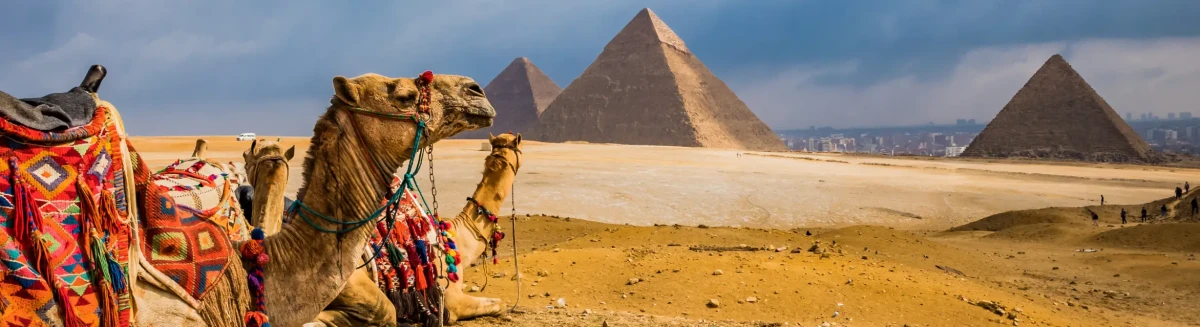
Top Beautiful Places to Visit in Egypt
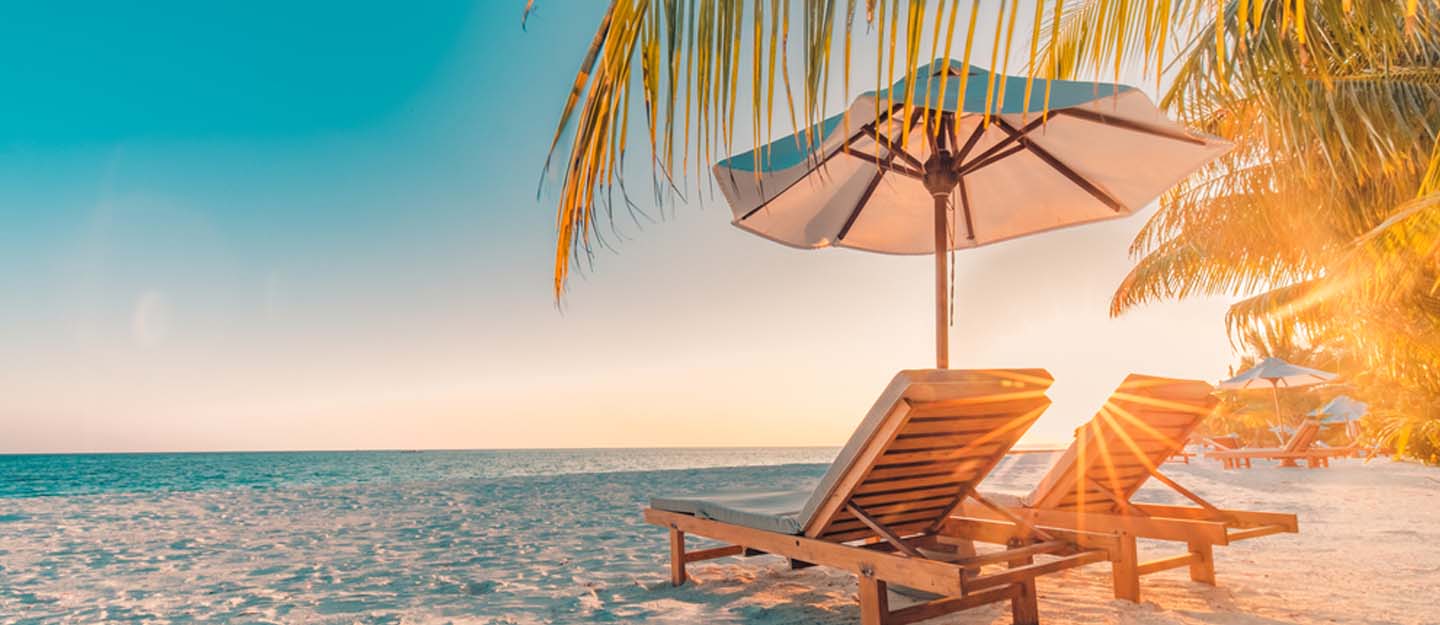
Egypt's beauty is derived from the incredible fact that it has something to offer every kind of traveler. If you are fascinated by history, or if you have a passion for nature, or if you are looking for a combination of excitement and relaxation, Egypt assures you that expectations can be met and, at times, exceeded.
The most prominent reason to travel in Egypt has always been its ancient heritage, discovered by few nations on earth. A seven-thousand-year civilization ought to have left behind something! Temples, tombs, colossi, and monuments do not lie locked up in humid display cabinets but exist as part of everyday life and society. The direct connection with the past creates a strong emotional experience for the visitor.
The natural beauty of Egypt adds another dimension to its history. The River Nile carves its way through the country, irrigating fertile land amid stunning views. Great stretches of deserts reared desert storms, wrapping silence in desolation and drama, while the coast flourished in clear waters with an array of colourful marine life.
The other well-known attributes of Egypt are warm hospitality and rich culture. The culture is an exciting mixture of local traditions, food, music, and daily life. This ensures all travelers receive an authentic and warm welcome with respect for their privacy. With excellent deals on tours and travel, combined with posh to simple accommodations, Egypt is a great budget choice for a holiday to all parts of the world.
Top Ancient Attractions in Giza
Giza stands as an essential historical area in Egypt, which is located on the west bank across from Cairo. The site attracts visitors because it preserves its historical monuments from the Old Kingdom period, especially the structures that ancient Egyptian kings constructed.
1. The Pyramid Complex of Khufu: The Great Pyramid stands as Giza's most recognizable structure, which the builders constructed as a royal tomb. The royal tomb demonstrates the engineering achievements that ancient Egyptians developed in their architectural work. The pyramid originally displayed an exterior layer of smooth white limestone, which reached the highest point of human construction for more than two thousand years.
2. The Pyramid of Khafre: The Pyramid of Khafre is part of a larger complex that includes temples and causeways. Although smaller than Khufu’s pyramid, it appears taller due to its elevated location. The pyramid still retains some of its original outer casing.
3. The Pyramid of Menkaure: This pyramid serves as the burial site for King Menkaure because its design requires more advanced construction techniques than its smaller size. The structure functions as a burial site, which features granite in its lower parts, and its burial chambers were designed through meticulous planning.
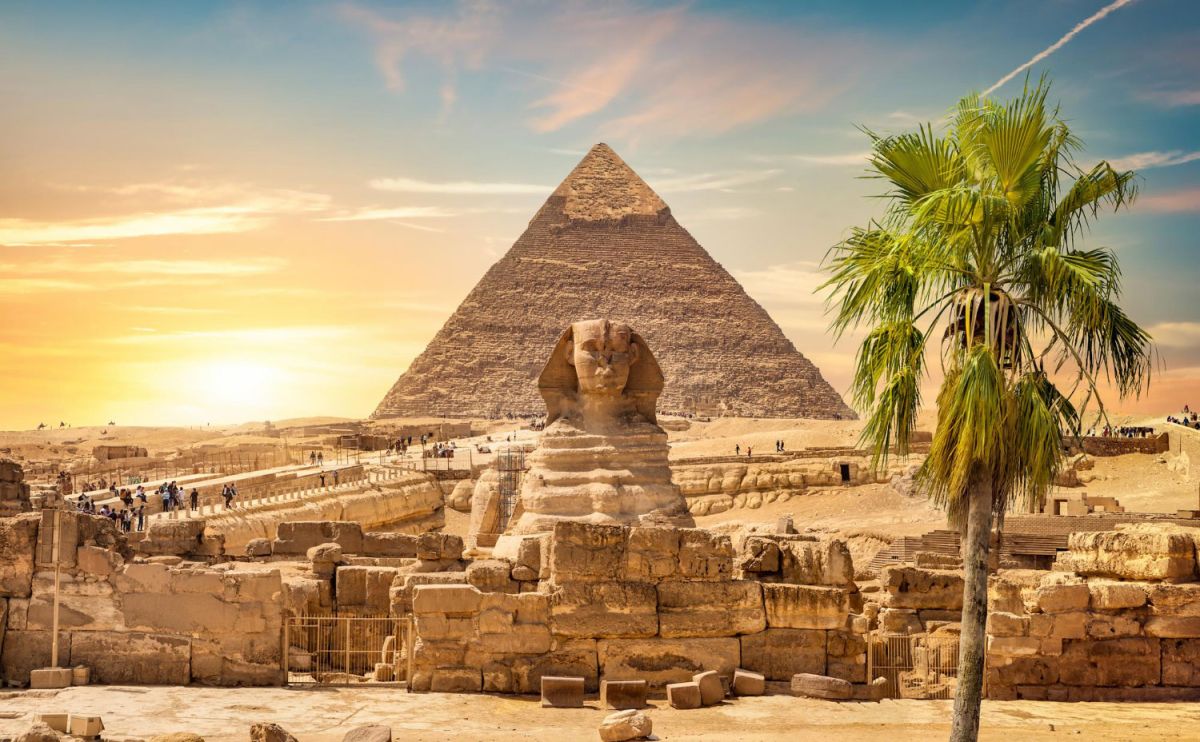
4. The Great Sphinx: The Great Sphinx is situated fairly close to Khafre’s complex; it symbolizes royal power and protection. This sculpture serves as one of the most common symbols of ancient Egyptian culture.
Must-See Landmarks in Cairo
Cairo is a striking example of historical and cultural diversity, presenting a postmodern urban landscape. It impresses travelers with a myriad of ancient heritage sites, holy sites, and modern city attractions.
1- Historical and Cultural Sites:
The Egyptian Museum displays over 7000 historical artifacts, which include the Tutankhamun treasures, and provides visitors with a complete overview of ancient Egyptian history.
Citadel of Cairo: Among the treasures of suspension lies the magnificent Mosque of Muhammad Ali, which leaves visitors impressed with its 360-degree views of Cairo and also showcases the exquisite architecture of Islam in the region.
Coptic Cairo: This includes the Hanging Church, the church of the Holy Martyrs Sergius and Bacchus, and the Coptic Museum. It shows the Christian background of Egypt.
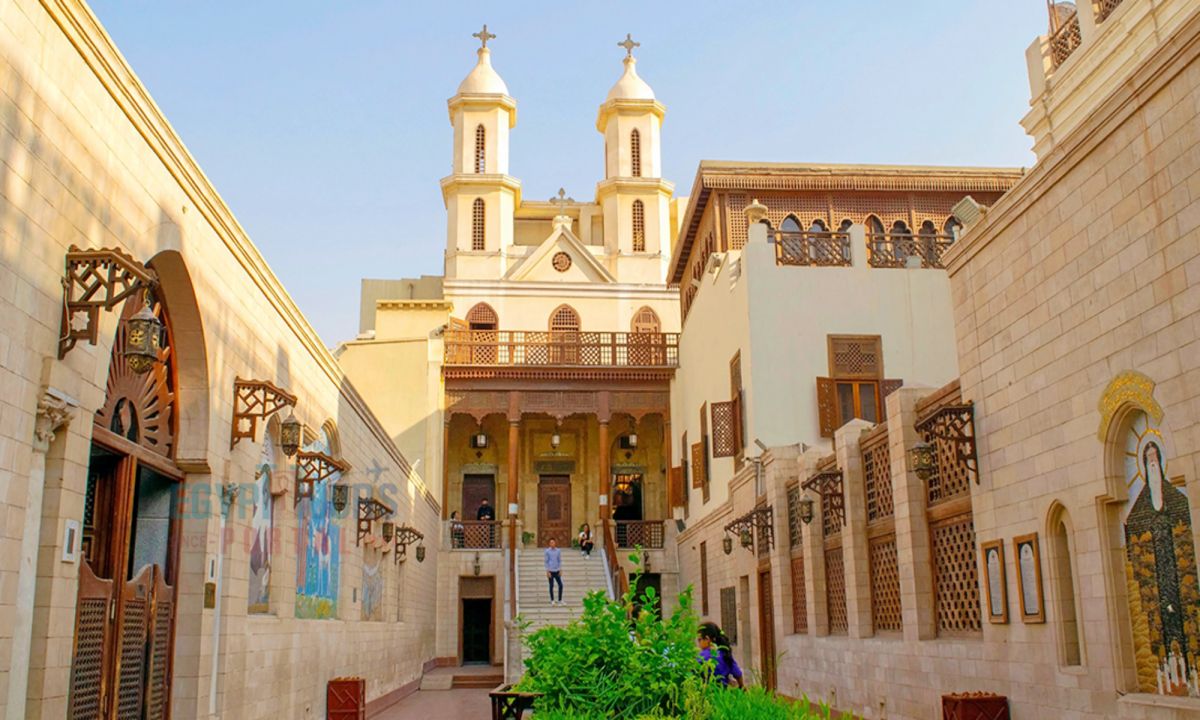
2- Religious and Architectural Highlights:
Al-Azhar Mosque: Al-Azhar Mosque is among the oldest mosques in Egypt and a center for Islamic learning in medieval architecture.
The Mosque of Sultan Hassan exists as a monumental structure that showcases elaborate artistic details through its design elements and serves as an exceptional representation of Mamluk architectural style.
3- Modern Attractions:
Khan El Khalili Bazaar: A lively marketplace where visitors can shop for spices, jewelry, and traditional crafts while enjoying local culture.
The Nile Corniche pathway offers visitors both beautiful riverside walking routes and peaceful boat rides that showcase the Cairo skyline.
The combination of historical sites and religious landmarks, together with modern urban life, makes Cairo an essential destination for visitors.
Luxor's Hidden Gems and Highlights
The city of Luxor functions as the world's largest outdoor museum, which contains Egypt's most impressive ancient monuments. The city stretches across both Nile River banks because its East and West Banks contain separate historical sites.
East Bank: Temples of the Living
The Karnak Temple stands as Egypt's most extensive religious site, which serves to honor the god Amun. The site impresses visitors through its monumental columns, its many statues, and its holy lake.
Luxor Temple: Located in the heart of the city, this temple honors the pharaohs and the god Amun. It is beautifully illuminated at night.
West Bank: Necropolis of the Pharaohs
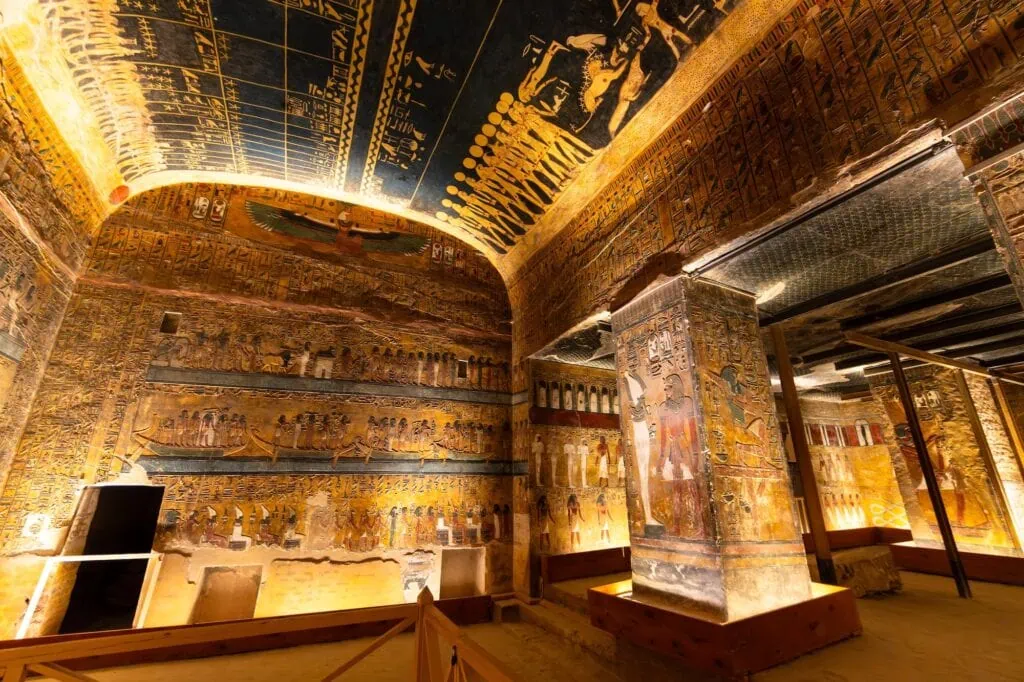
1- The Valley of the Kings serves as the burial site for numerous well-known pharaohs, including Tutankhamun. The tombs display their exquisite paintings, which show scenes from the afterlife.
2- The Valley of the Queens serves as the final burial site for royal women who are honored through its detailed wall carvings and its vibrant frescoes.
3- The Ramses III mortuary temple at Medinet Habu maintains its original condition because of its enormous statues and its intricate relief sculptures.
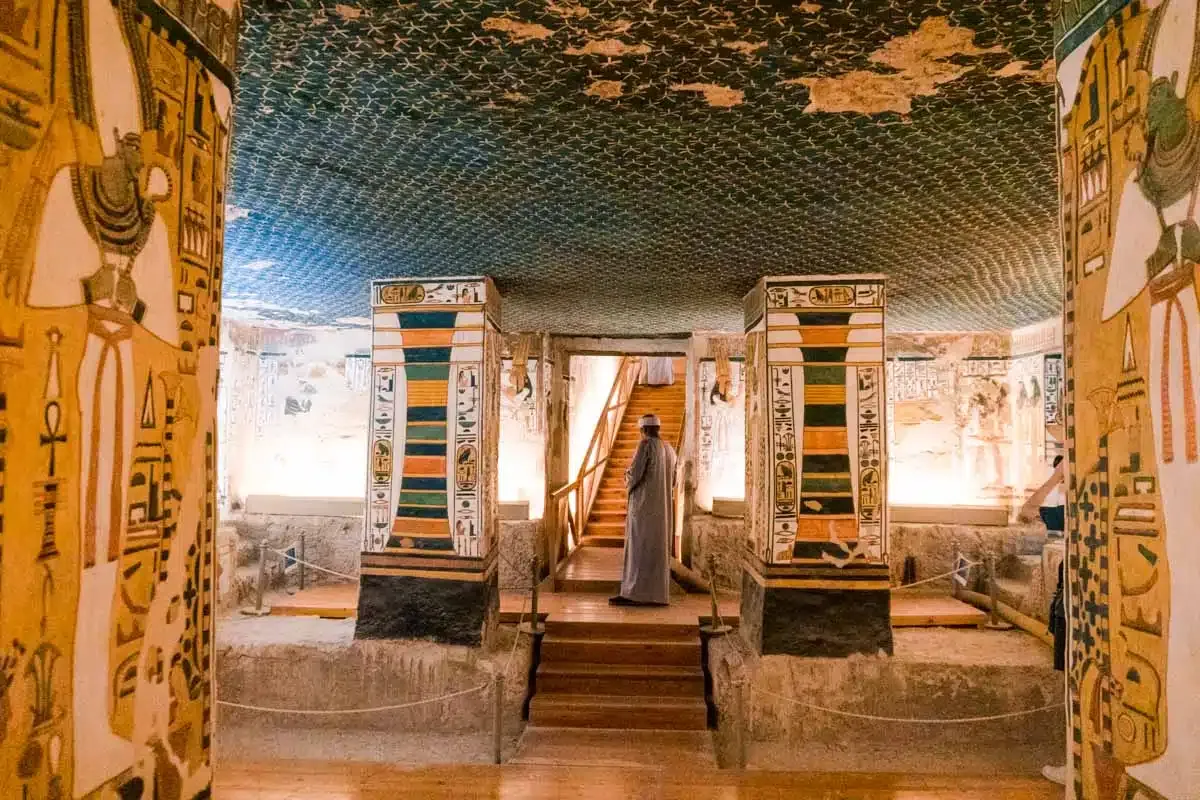
4- The Colossi of Memnon consist of two gigantic stone statues that protected a temple entrance but now serve as majestic representations of Luxor.
Luxor serves as a complete experience that combines historical sites with artistic works and architectural designs, which attracts visitors who want to explore ancient Egyptian culture.
What you shouldn't miss when in Aswan
Located in the south of Egypt on the Nile, Aswan is the city of serene landscapes, ancient monuments, and Nubian culture. A city of historic gems and scenic wonders!
1- Temples and Old Sites
Philae Temple: The devotion of the goddess Isis, the temple was moved to Agilkia Island after the Aswan High Dam was built. Its columns, very much heavily carved with details, are truly breathtaking.
The Unfinished Obelisk: This massive monolith, hacked from the granite quarry, is reminiscent of the way ancient Egyptian obelisks were carved and serves as an interesting example of their engineering skills.
Temple of Kalabsha: This temple is a very well-preserved Roman monument. The balance of larger blocks of high reliefs is like a tale of sad love in a setting of scenic beauty along the Nile.
2- Natural and Cultural Attractions
Nubian Village: The village offers visitors an experience that includes viewing its colorful Nubian houses while they listen to authentic music and discover traditional local culture through its crafts.
Elephantine Island: The island provides historical sites together with garden spaces and tranquil views of the Nile River, which create an ideal environment for peaceful outdoor time.
Aswan High Dam: The dam serves as a contemporary engineering achievement that protects against Nile floods and generates electrical power while demonstrating Egypt's modern engineering capabilities.
Aswan combines history, culture, and natural beauty, offering travelers a unique experience of Egypt’s southern treasures.
Top Natural Attractions in Egypt You Can’t Miss
1- The ancient history of Egypt remains its most famous feature, while its natural attractions produce equally impressive beauty, which frequently surprises visitors.
2- The Red Sea serves as one of Egypt's most valuable natural resources. The world-famous destinations of Hurghada, Sharm El Sheikh, and Marsa Alam showcase their exceptional coral reefs and diverse underwater ecosystems. The crystal-clear waters make these areas ideal for snorkeling, scuba diving, and other water activities. The coastal area provides travelers who want to relax with luxurious resorts and peaceful beach areas as their ideal vacation spots.
3- The White Desert presents a distinctive natural environment. The wind has sculpted the chalk-white rock formations through centuries to produce an otherworldly landscape. Visitors often describe the desert as feeling like another planet. Adventure enthusiasts and photographers can use the desert to experience desert safaris, camping, and stargazing activities.
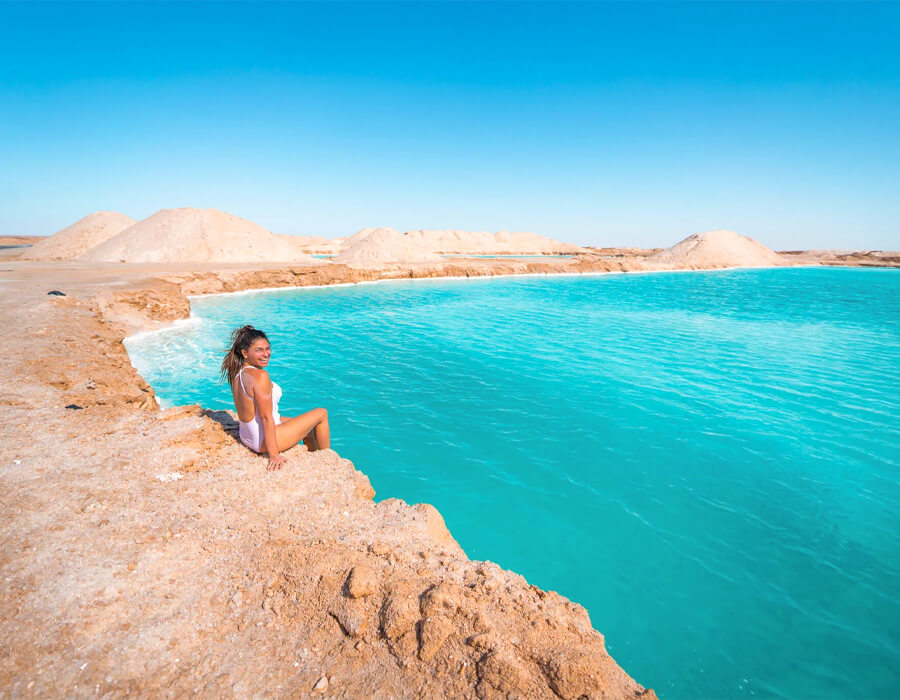
4- The beauty of Siwa Oasis presents visitors with a completely different experience. Siwa exists in the western desert, where it is protected by a natural border of palm trees, salt lakes, and natural springs. The oasis attracts visitors through its tranquil environment, its historical building design, and its deep-rooted cultural traditions. The location provides travelers with a perfect space to enjoy both relaxation and wellness activities and to establish deep ties with the natural environment.
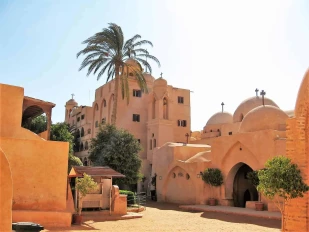
5- The Sinai Peninsula presents its visitors with majestic mountain ranges, together with stunning views of its coastal beaches. The mountain of Mount Sinai serves as a popular hiking destination that people visit to experience its sunrise hikes and spiritual journey. The nearby Saint Catherine's Monastery functions as one of the oldest operational monasteries that still exists today. The Red Sea presents visitors with coastal beaches, which provide a range of water activities that create both thrilling experiences and peaceful moments of rest.
Best Time to Visit Egypt and Travel Tips
Ideal Travel Seasons in Egypt
The right time to visit Egypt makes a significant difference in your travel experience. The best time to visit Egypt occurs during the period from October to April because that time offers better weather conditions for exploring the country. The months that follow enable visitors to experience outdoor sites, which include temples and markets, and deserts, without facing high temperatures.
Travel Tips for an Unforgettable Trip
1. Plan: Visitors should purchase guided tours to historical sites because these tours provide a better understanding of the historical and cultural importance of each site.
You should create your travel schedule to include both sightseeing activities and necessary rest periods during hot weather conditions.
2. Dress Comfortably:
- Choose lightweight breathable garments that match hot weather conditions.
- Bring sunscreen, hats, and sunglasses to protect yourself from the sun.
- People need to drink enough water to stay hydrated while they visit outdoor spaces, which include desert areas and temple sites.
3. Respect Local Customs
- Egyptians treat their guests with great hospitality; they show appreciation through small acts of respect.
- Dress modestly when visiting religious or traditional sites to honor local culture.
4. Getting Around
Egyptian transportation provides easy travel options, which include domestic flights and trains, and organized tours to connect main travel centers throughout the country.
Guided tours provide visitors with easy access to historical sites and cultural attractions.
Your trip to Egypt will become a memorable experience when you visit during the right season and wear the correct clothing, follow local customs, and create advance travel plans.
Egypt stands as a complete experience that remains with visitors throughout their entire stay in the country. Egypt shows its beautiful attractions through its stunning historical sites and its natural beauty that exists throughout the entire country. The ancient temples, Red Sea diving, and peaceful oasis retreats of Egypt create unforgettable experiences for travelers.



-webp.webp "Hilton")
-webp.webp "dusit")
-webp.webp "Marriott Hotels")
-webp.webp "Azimut Hotel")
-webp.webp "Golden Tulip")
-webp.webp "sheraton")
-webp.webp "westin hotel")
-webp.webp "Movenpick")
