
The Secret Garden of Saqqara: Stepping Into the 4,000-Year-Old World of Mehu
A Walk Through Time , Why the Tomb of Mehu Should Be Your Next Stop in Saqqara
If you have ever stood in front of an Egyptian monument and thought, "What was life really like back then?" you are not alone. We all get stuck on the names, like the Great Pyramids or the Sphinx and that mystery thing.. There is also a smaller more personal side to history that you can easily reach just a short drive from the busy streets around Giza.
Welcome to the Tomb of Mehu.
I will be honest with you I have visited ancient places.. The first time I stepped into Mehu’s tomb I did not feel like I was staring at some old relic. It felt like I had walked into someone’s space someone who lived spoke and worked over 4,000 years ago. If you want a trip that feels like a boring lesson and more like a journey, through time the Tomb of Mehu is the one to choose.
Who Was Mehu?
Before we look at the walls lets talk about the man like for real. Mehu wasn't a king. He was definitely someone important. He lived during the Sixth Dynasty, around 2300 BC. He worked as Chief Justice and Vizier.
He was basically the pharaohs right-hand man. He kept everything running smoothly. Organized in ancient times.
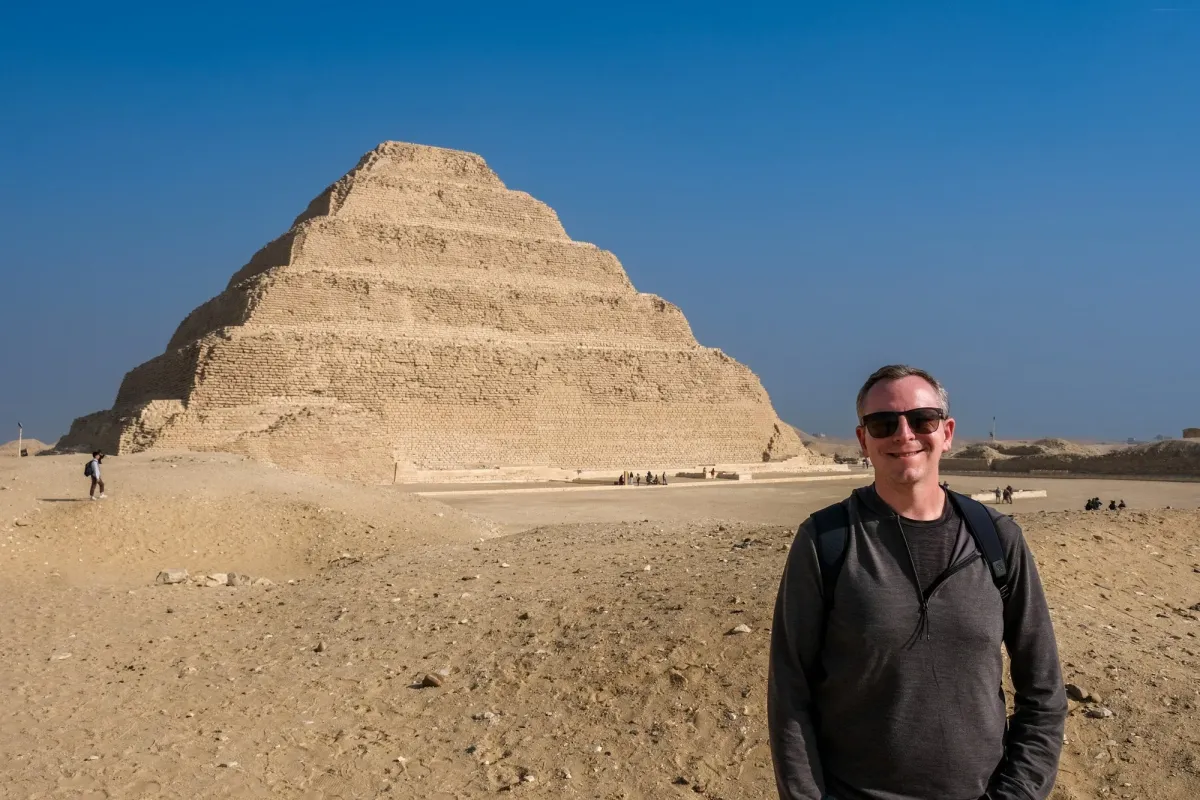
When he died he was buried in Saqqara. That's a burial ground next, to the famous Step Pyramid of Djoser. He wanted to leave a lasting legacy.. It seems like he did.
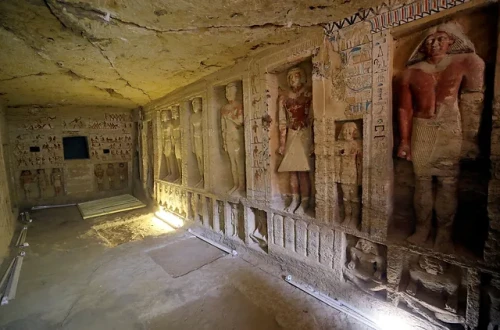
He left behind a mastaba. That's a roofed, rectangular tomb. Its well maintained it looks like the builder just stopped working yesterday.
Why This Tomb is Sorta Different
You might be thinking, "It is another tomb right? How different can Mehus tomb even be?"
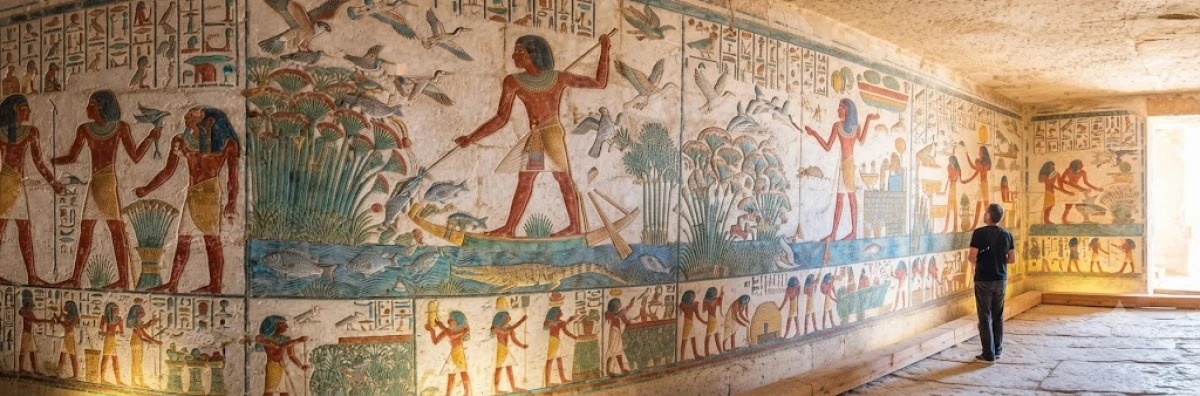
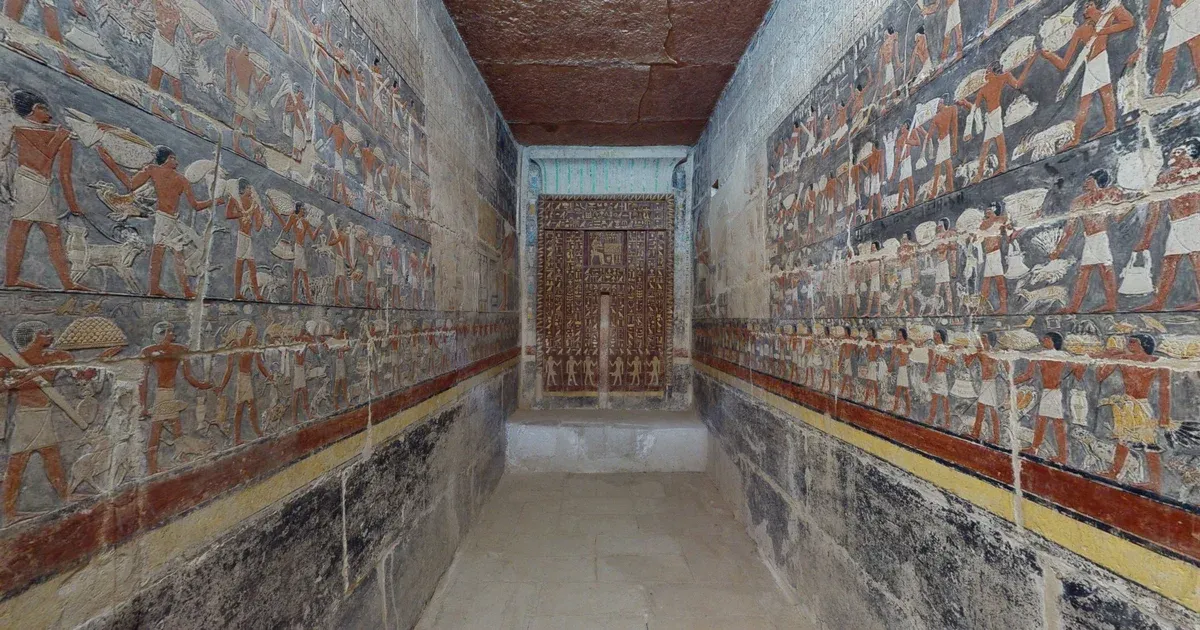
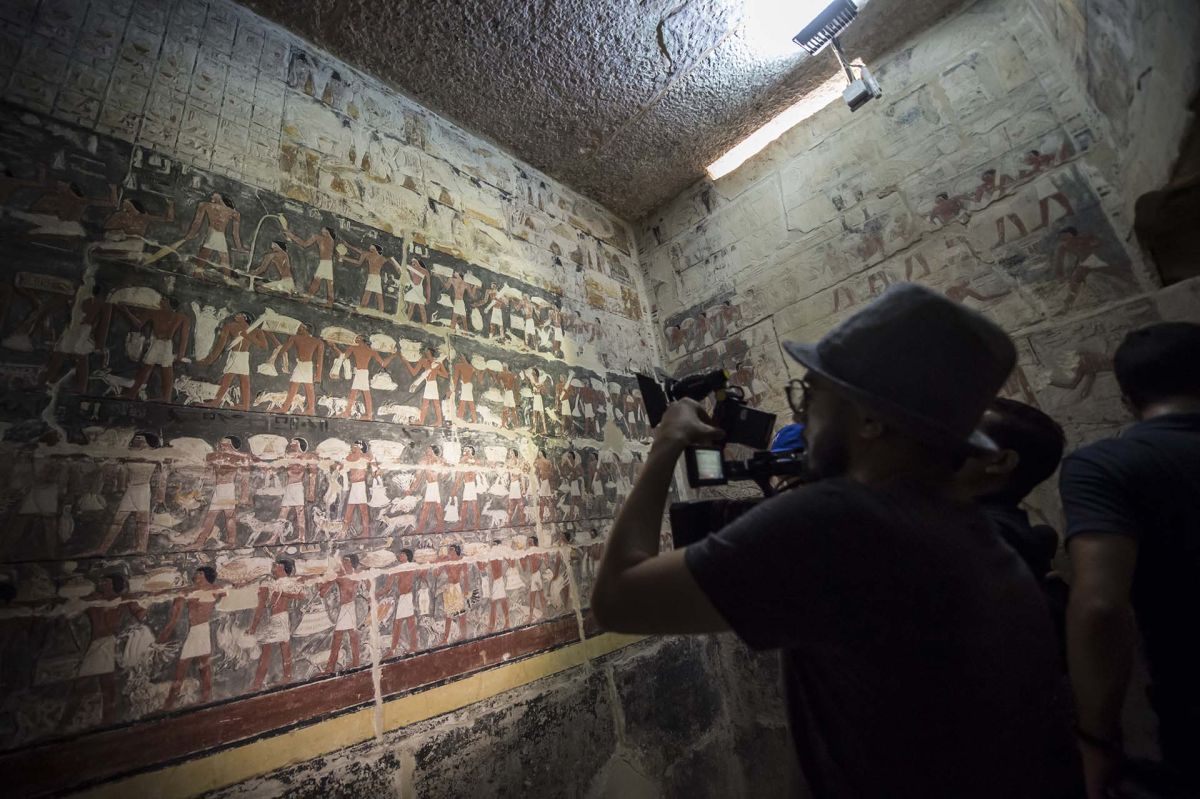
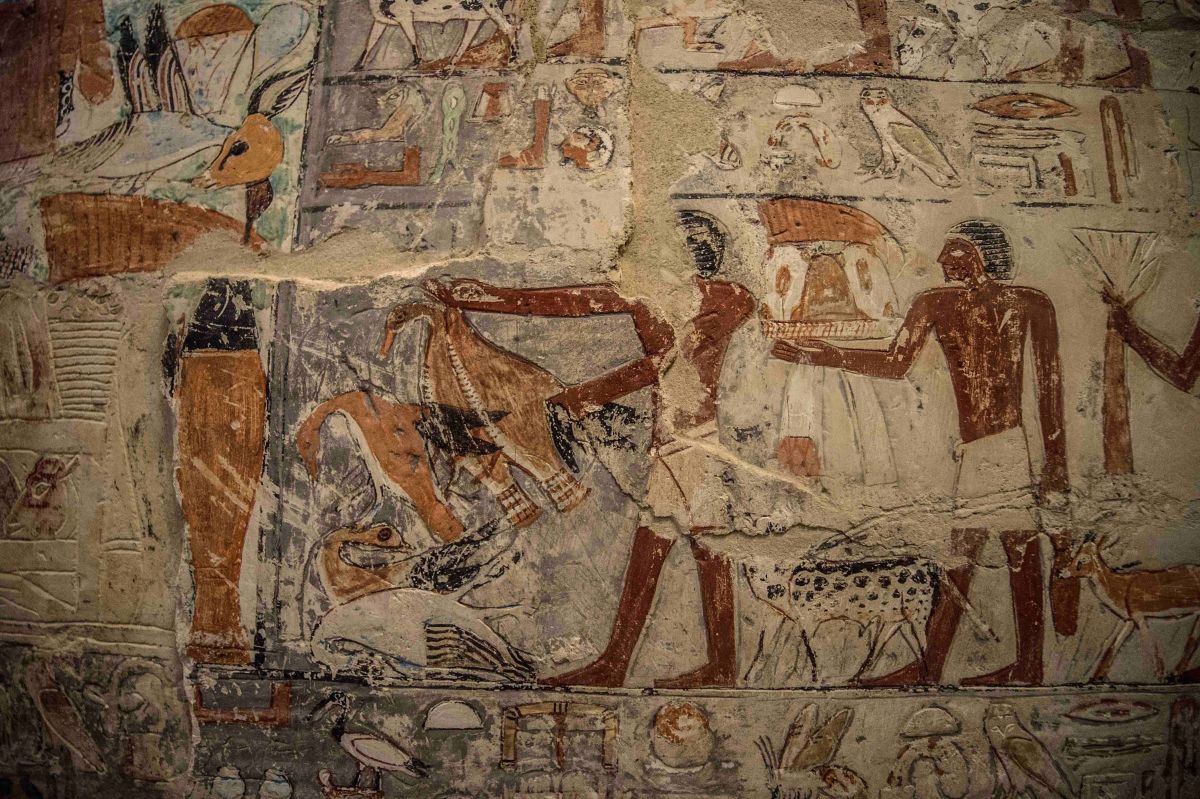
The whole deal with Mehus tomb is the color. Most other places there have gone faded over the years kind of stripped down by time and weather and general exposure. So the moment you are there it is like a sudden burst of life. You walk through that doorway. Your eyes need a second to settle and then. There it is. Mehus tomb has blues, grounded ochres and deep striking greens all working together like they still mean something.
Mehus tomb feels personal. Maybe it is because Mehu was a man of standing. That meant Mehu could hire the best artists of his era. The artists did not shape figures into the stone they actually caught little moments in a way that feels almost immediate like you are seeing Mehus life, at Mehus tomb.
A Day in the Life (in 2300 BC)
This part is really something. The walls of the tomb of Mehu are not just walls with prayers or lists of things. They are like a 4,000-year- picture book of Mehus favorite things.
1. The Joy of Nature
The walls have lots of pictures of people hunting and fishing in the marshes. You can see birds flying away fish swimming through the reeds and the people working hard. It is like you can hear the water splashing and the wind blowing through the papyrus. It is a reminder that people have always found happiness in nature.
2. The Kitchen of History
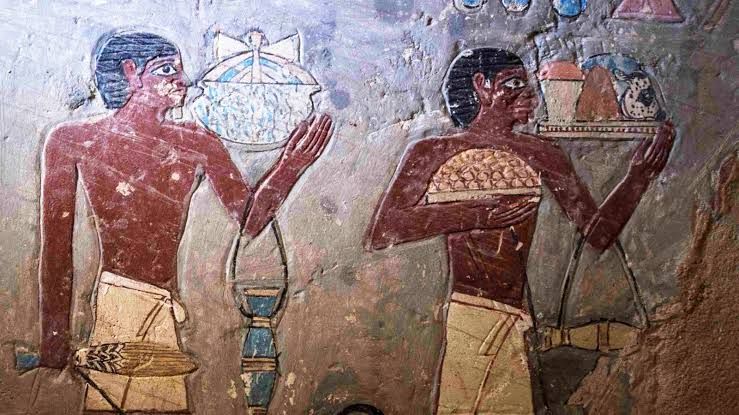
I really like one part that shows people cooking and getting food ready. You can see them baking and brewing. Then making a big feast. It looks of familiar. We still talk about food. Being kind, to others today. It is nice to know that people have always valued sharing food and celebrating together.
3. Music and Motion
There are also pictures of people dancing and playing music. If you look at them for a bit it is like they are moving. They are not stiff or formal. They are full of energy like they are really dancing. It looks like a party and it is capturing a happy moment that Mehu probably wanted to remember in the afterlife. The tomb of Mehu is really special because it shows what Mehu liked and what made him happy.
The practical side of your visit
I know you are in the Giza area now and if you want to add this to your plan it is really easy to get to. Here is a simple way to make the most of it without making the whole day crazy.
Getting there: Saqqara is a 40 minute drive from Giza though traffic can make it take a bit longer so give yourself some extra time. It feels like a place to go in the morning.
The experience: the tomb only started letting visitors in in 2018 so it still feels like a treasure. You do not have to deal with crowds like you do near the Great Pyramid. Instead you can take your time stand there for a while and look closely at the details.
One good thing to do: go early. This way you can avoid the heat. You can see the light when it is soft. When the sun moves the colors, on the walls do a thing where they really stand out.
If you cannot go in person you can still look around the tomb on your computer. The Ministry of Tourism and Antiquities made a clear virtual tour so you can walk through the tomb on your laptop. This is a way to find the best places to take pictures or to study the carvings before you get to Saqqara in real life.
A Reflection on Legacy
As I walk through the tomb I find myself thinking about what we leave. Mehu spent his life taking care of a kingdom. What really makes him remembered is not the things he decided in court or the laws he made. It is the things on these walls the story he wanted us to see.
Mehu did not just want people to remember him as a Vizier. He wanted people to remember him as a person who liked to go fishing, who enjoyed food, who loved music and who really liked the simple things in life in the Nile Valley.
That is why I think everyone should visit the Tomb of Mehu. It helps us connect with people from a time ago. The Tomb of Mehu is not a place with old things it is like a connection, to the past. You can almost feel the past coming alive.




-webp.webp "Hilton")
-webp.webp "dusit")
-webp.webp "Marriott Hotels")
-webp.webp "Azimut Hotel")
-webp.webp "Golden Tulip")
-webp.webp "sheraton")
-webp.webp "westin hotel")
-webp.webp "Movenpick")