



The Science of Forever: The Origins and Evolution of Egyptology
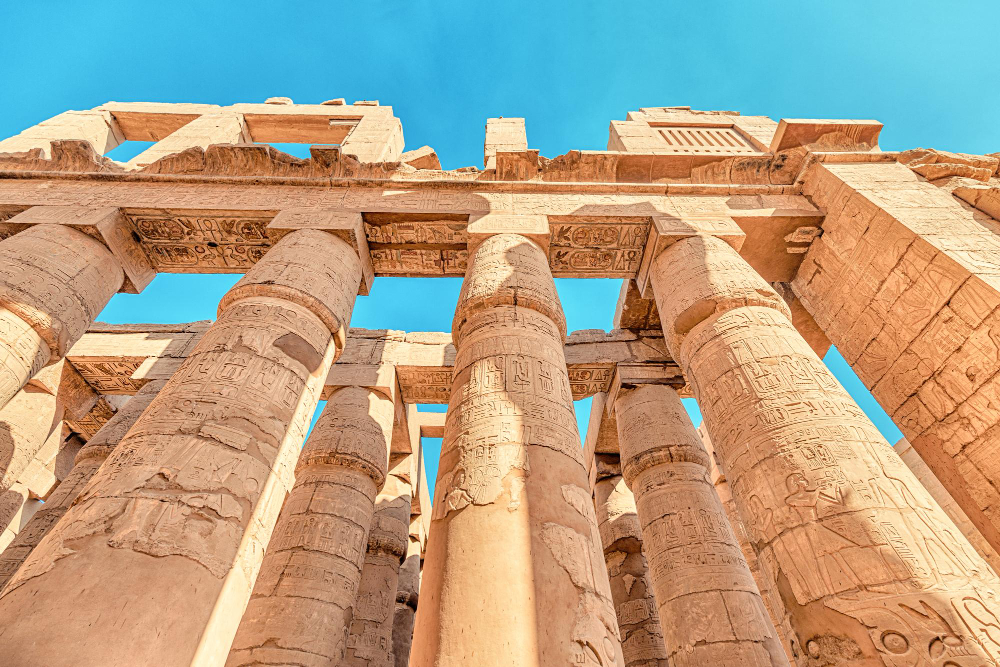
1. The First Egyptologists: Ancient Egyptians Studying Their Own Past
Egyptology as a field of study originated before European researchers started their work during the 19th century. The Egyptians themselves established the very first research programs which included studying and restoring their own historical heritage.
People refer to him as the "First Egyptologist" because Prince Khaemwaset stands as the son of Ramesses II. He conducted "archaeological" expeditions throughout Saqqara to restore his ancestral sites more than 3000 years after the construction of the Pyramids.
The ancient people used historical research as a method to preserve Ma'at which represents cosmic equilibrium. They believed that if a monument fell into ruin, the "memory" of the ancestor died with it. The restoration of a tomb served both scientific and religious purposes.
Legacy in Stone: Many of the inscriptions we read today are actually "restoration tags" left by later generations of Egyptians who shared the same fascination with the "Old Kingdom" that we have in 2026.
2. The Decipherment: When the Stones Began to Speak
The hieroglyphs remained a hidden enigma for 1,500 years because most people considered them magical symbols instead of an actual writing system. The "human" breakthrough occurred when three different languages combined into one stone tablet.
The Rosetta Stone: This stone discovered in 1799 contained a decree which appeared in Hieroglyphic, Demotic, and Greek languages. It operated as the ancient world's "Google Translate" system.
Jean-François Champollion: In 1822 this exceptional linguist solved the mystery. His "human" moment reached its peak through total exhaustion and victory when he ran into his brother's office and shouted "I've got it!" and then collapsed from the great impact of his discovery.
The Result: The "silent" statues received their actual names. The "mysterious" murals turned out to be poetry and tax records and love letters. Egyptology transformed from a discipline that studied beautiful artifacts into a field that studied the sounds of ancient Egyptian voices.
3. The Golden Age of Discovery: From Belzoni to Carter
The period between the late 1800s and early 1900s marked the unrestrained development of Egyptology. The period was characterized by remarkable individuals who combined elements of exploration and academic study and treasure-seeking activities.
The 1922 discovery of KV62 which brought Howard Carter and King Tut to the public eye stands as the most significant event in Egyptology. The human aspect of the story describes how Carter experienced ten years of unsuccessful efforts until he discovered that important milestone in his research.
Researchers in early Egyptology studied artifacts to acquire them for display in international museums. The field developed into conservation practice through which experts recognized that these artifacts rightfully belonged to both Egyptian land and Egyptian citizens.
The 2026 Perspective: Modern Egyptology focuses on studying archaeological data instead of searching for precious metals. Non-invasive technology enables us to view wall structures without needing any physical excavation work.
4. High-Tech Heritage: Egyptology in the Digital Age
The shovel will leave her work on 2026 to the scanner for its future use. People discover new things during this period which scientists call the Renaissance because they have developed techniques to see things that were previously hidden.
Archaeologists use infrared satellite imagery in Satellite Archaeology to discover thousands of "lost" settlements and hidden pyramids which remain hidden from human sight.
The ScanPyramids project uses cosmic-ray particles to create "X-ray" scans of the Great Pyramid which show concealed spaces and passageways without breaking any stones.
Through DNA and CT Scanning scientists study royal mummies to discover their health conditions and dietary habits and family relationships. The discovery that King Tut had a club foot proved that many pharaohs before him contracted malaria. The narrative transforms divine beings into ordinary people who experience real human vulnerability.
5. The Grand Egyptian Museum (GEM): A New Home for the Past
The opening of the GEM near the Giza plateau marks a turning point in how Egyptology is presented to the world. The Vision: The museum operates as an archaeological research center which has reached its maximum size. The complete collection of Tutankhamun artifacts is presented for the first time in this exhibition.
In 2026 visitors to The Human Experience will experience more than just viewing objects which are displayed behind glass. The scientists conduct research on 4000-year-old textiles and wood in conservation labs which visitors to the exhibit can observe, thus bringing the discipline of Egyptology to life.
6. Beyond the Pharaohs: The Rise of "Social" Egyptology
The people of Egypt studied only royal families until their research began to include the common population. The Workers' Village: The excavations at Deir el-Medina have uncovered evidence about the daily activities of artists who constructed the Valley of the Kings. The historical record contains their laundry lists and their complaints about "bad beer" and the documentation of the first recorded labor strike in history.
The Domestic Life: We are learning about how ancient Egyptians cooked, how they raised their children, and how they cared for their pets. The past becomes accessible through "Humanized Egyptology" which allows people to perceive historical events as direct mirrors of contemporary life.
7. A Humanized Reflection: Why We Keep Digging
The reason for our continued fascination with Egyptology in 2026 stems from our discovery of historical artifacts which reveal new facets of our identity. The Egyptians dedicated their lives to achieving eternal remembrance through their construction of burial sites. The practice of Egyptology serves as the realization of that desire. Our study of their existence ensures their immortality because we will forever remember them through our research.
The Universal Story: The human heart has remained unchanged for 5000 years according to these objects which include a pharaoh's crown and a child's toy. Our love endures, our fear of death persists, and our drive to create lasting impact on the world remains unchanged.
8. The Future of the Past
Researchers study Egyptian archaeological sites because they want to save humanity's historical records which exist in these sites. Our search extends beyond "old stuff" because we use advanced AI and space technology to uncover ancient Egyptian history buried under sand dunes. Our search aims to find the origins which built our present-day society.
The Pyramids of 2026 exist as more than mere stone structures. They represent the highest achievement of human creativity while "Science of Forever" has only entered its initial phase.




-webp.webp "Hilton")
-webp.webp "dusit")
-webp.webp "Marriott Hotels")
-webp.webp "Azimut Hotel")
-webp.webp "Golden Tulip")
-webp.webp "sheraton")
-webp.webp "westin hotel")
-webp.webp "Movenpick")
