
The Sacred Odyssey: A 2026 Guide to the Holy Family’s Path in Egypt
The Sacred Odyssey: A 2026 Guide to the Holy Family’s Path in Egypt
The concept of "refuge" is as old as humanity itself, yet nowhere is it more poignantly illustrated than in the historic landscape of Egypt. The Holy Family Trail provides international travelers who visit during the 2026 and 2027 seasons with an experience that exceeds basic tourist attractions. The route which runs 2,000 kilometers to honor the Virgin Mary and Joseph and the infant Jesus leads through their path which they took to escape King Herod's control.
The Eastern Gateway: Divine Beginnings in Tell Basta
The journey begins at Tell Basta which marks the starting point of the eastern Nile Delta. To understand the significance of this location, one must look past the weathered stones and see the intersection of Pharaonic and Coptic history. The Holy Family arrived at this location which caused ancient deities' heavy granite statues to tremble and fall down because it produced a major transformation of the area's religious environment. The modern visitor to the site experiences enhanced value through the existence of the sacred well which serves as a peaceful sanctuary that the Family used to rest during their first arrival in Egypt. The private expert guide enables visitors to experience the ruins because they will show how ancient Egyptian hospitality traditions established the initial defense for the most famous refugees in history.
Old Cairo: A Sanctuary Beneath the Fortress Walls
The path leads toward Cairo which is an extensive urban area so the story develops a deeper personal connection. The Coptic community has maintained its presence in Old Cairo which contains the Babylon Fortress as a historical reminder. The Church of Abu Serga is the heart of this district, and for good reason. The underground crypt, which lies ten meters beneath ground level, creates a deep transformative experience. The space maintains a chill atmosphere which carries the fragrance of historical stone materials and the incense that has accumulated over many years. This place marks the actual spot where people believe the Holy Family resided for multiple weeks. The architectural design which represents early Christian engineering achievement creates a transition between classical architecture and the beginning of the Christian period. The Coptic Quarter will offer complete access to high-end transport users in 2026 through its planned development which creates a smooth journey from contemporary urban life to this historic religious site.
Desert Fortresses: Spiritual Solitude in Wadi El Natrun
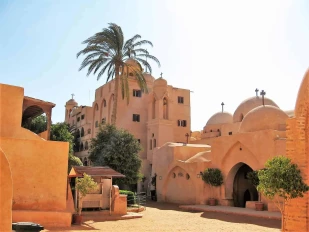
The trail reaches Wadi El Natrun after proceeding westward into the desert landscape which shows unspoiled beauty of Nitrian Desert. This valley serves as the most spiritually significant location along the entire pathway. The 4th century saw this area develop into the main center of Christian monasticism which still exists today through its four remaining monasteries: Baramus, Bishoy, Surian, and Abu Makar. The monks at this place follow a traditional lifestyle which has stayed unchanged through many centuries while they practice a unique way of praying and studying. The visit to Deir al-Surian which features exquisite 12th-century frescoes and an ancient manuscript library, shows the intellectual core of the Coptic Church. The experience of walking through these limestone corridors, guided by the soft chanting of the monks, provides a sense of peace that is increasingly rare in the modern world.
Upper Egypt: The Dramatic Cliffs of Jabal al-Tayr
As we walk southward the trail path begins to reveal more dramatic geographic features which reflect the growing difficulties that the Holy Family encountered. The site of Jabal al-Tayr, or the Mountain of the Birds, offers one of the most spectacular vistas in all of Egypt. The Church of the Virgin Mary stands built into the mountain cliff which provides a view over the Nile Valley's fertile lands. The local community believes in the "miraculous palm print" legend which tells that Jesus stopped a falling rock with his hand. People who travel to this location with private transportation services in 2027 can easily reach the site while they discover the natural beauty of Middle Egypt without facing the common travel difficulties that people encounter in rural areas.
Al-Muharraq: The Second Bethlehem and Divine Return
Pilgrims hold the Monastery of Al-Muharraq in Asyut as their most important destination for their pilgrimage to the southernmost point of their journey. The site known as "Second Bethlehem" served as the Family's residence for more than six months. The angel visited Joseph in Upper Egypt's silent fields to deliver the message that their exile would soon come to an end. The ancient church of the Virgin Mary at Al-Muharraq is considered one of the oldest consecrated churches in the world, and its altar—a simple stone slab—is said to be the very place where Christ slept. The Southern Coptic culture of the region maintains its separate identity from Northern Mediterranean influences, which travelers can explore by taking a private charter to visit the area.
Elevating the Experience: Luxury Logistics for the Modern Pilgrim
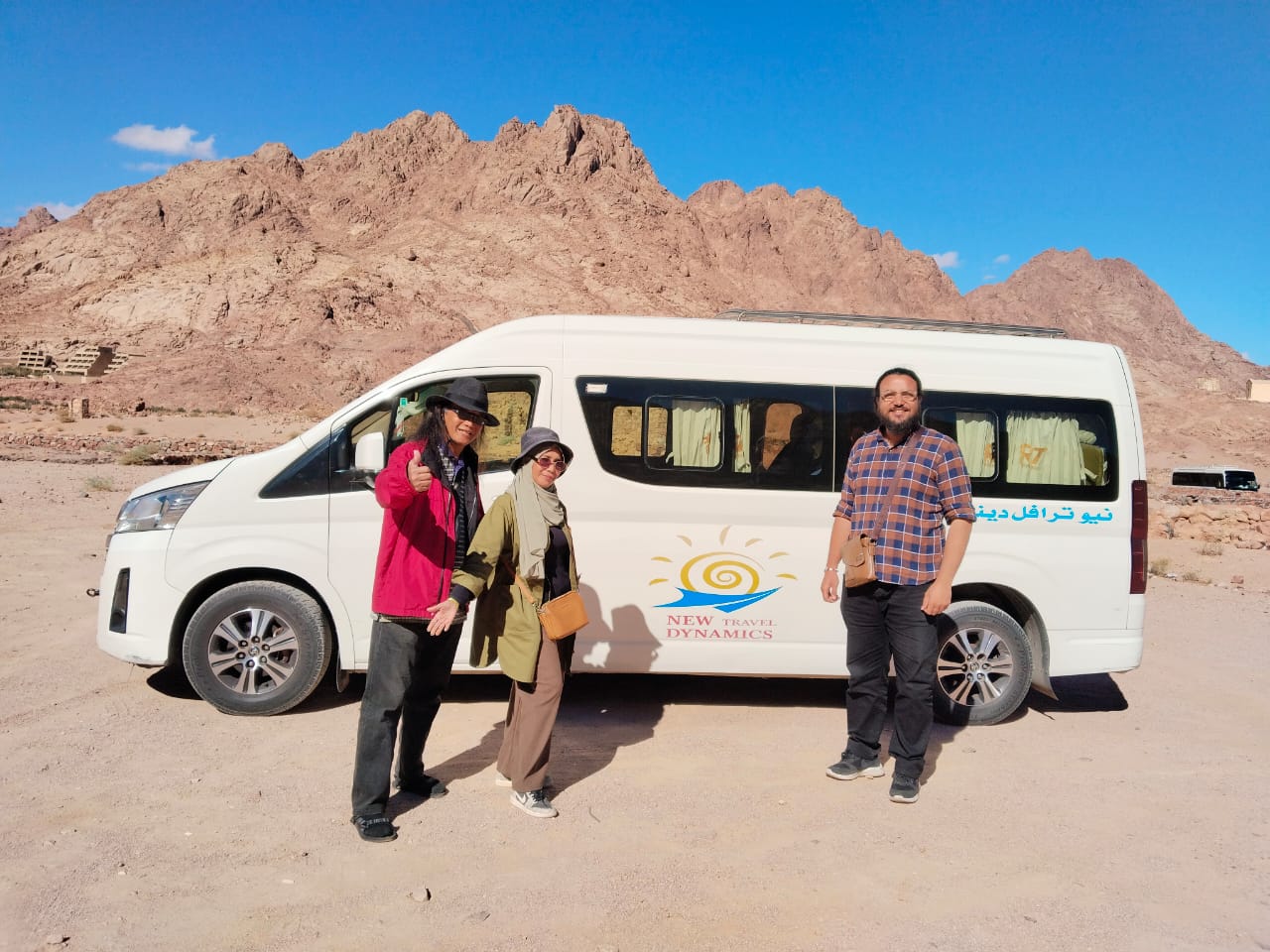
To truly honor the spirit of this journey in 2026, many are choosing to incorporate a Nile cruise into their pilgrimage. The experience at this location differs from conventional approaches which treat it as a massive passenger shipping operation. The private Dahabiya which functions as a traditional wooden sailing boat has transformed how people explore the Holy Family Trail. The vessels enable travelers to move slowly which matches the trip's spiritual essence. The project requires high-quality logistics because it involves extensive travel between multiple locations. The route from the Delta to the deep South requires more than standard maps because it needs complete dedication to achieving top performance. The modern travel company provides complete route coverage through its Mercedes Maybach fleet which operates in cities and its luxury vans which transport travelers in the desert.



-webp.webp "Hilton")
-webp.webp "dusit")
-webp.webp "Marriott Hotels")
-webp.webp "Azimut Hotel")
-webp.webp "Golden Tulip")
-webp.webp "sheraton")
-webp.webp "westin hotel")
-webp.webp "Movenpick")