


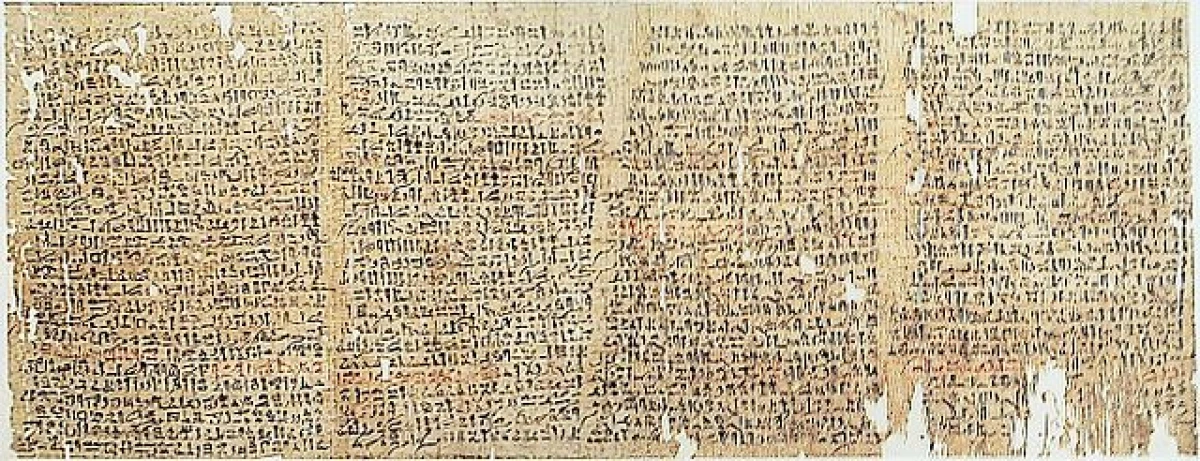
The Pharaoh’s Night Out: Magic and Mystery in the Westcar Papyrus
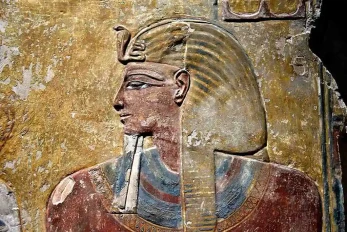
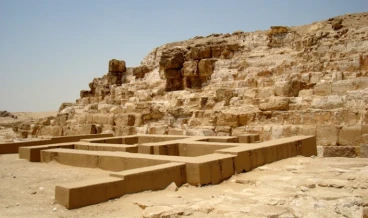
The royal palace at Giza functions as a peaceful space which exists for royal functions throughout the entire day. The Great Pyramid—the one we marvel at today—is newly finished, its white limestone casing gleaming like a mirror under the Egyptian moon. The most powerful person on Earth, Pharaoh Khufu, spends his time in the royal palace.
He isn't looking for architectural plans or tax reports. He requires something to provide him with enjoyment. His sons come to him, and he requests that they share stories about past times which include magical and miraculous elements and impossible events.
The Westcar Papyrus shows this scene. In 2026, we often treat ancient texts like cold museum artifacts, but the Westcar Papyrus is a 100% human document. The world presents its oldest known "story-within-a-story" which exists as a literary Russian nesting doll that reveals intimate details about the imagination of the pyramid builders.
1. The Royal Family Circle
The Westcar Papyrus creates a strong connection to modern audiences through its existing structure. The performance exists as a family event which includes religious hymns but not as a religious hymn itself. Each of Khufu’s sons stands up to tell a story of a great magician from the past.
The Bored King: The movie shows Khufu as a father who requires entertainment instead of presenting him as a unreachable divine being.
The Sons' Competition: The sibling rivalry between Prince Khafre and Prince Bauefre becomes apparent as they each attempt to present their most impressive story.
The Connection to the Past: The Old Kingdom people believed that the "past" contained special magical powers. The human race has maintained a tradition of viewing their ancestors with deep respect since ancient times.
2. The Magic of the Wax Crocodile
The first substantial narrative in the papyrus describes a treachery that involves "high-tech" supernatural powers of ancient times. It tells the story of Webaoner who works as a magician and learns that his spouse is engaged in an illicit relationship.
The Transformation: Webaoner uses wax to create a miniature crocodile which he uses as a spellcasting tool instead of fighting his opponent. The magician uses the secret lover's swimming activity to throw the wax sculpture into the water which then becomes an actual seven-cubit-long crocodile.
The Human Lesson: This story presents more than a "fantasy" narrative because it displays a universal concept. The story depicts people who believe in justice through their conviction that deities and their magic users observe everything. The 4,000-year-old story demonstrates that people in ancient times found enjoyment in well-crafted "revenge" narratives.
3. The Girl with the Turquoise Fish-Pendant
The next story moves from revenge to a lighter, more poetic moment. King Sneferu (Khufu's father) is feeling depressed, and his magician suggests a boat ride on the palace lake.
The Scene: Twenty beautiful women are rowing the King across the water. The rower who lost her pendant stopped rowing which caused the boat to stop moving. The rower who lost her pendant stopped rowing which caused the boat to stop moving.
The Magic: The King offers her a replacement but she refuses. She wants her pendant. The magician Zazamankh uses his powers to make the lake water "fold" itself over to discover the pendant at the lake bottom which he does long before Moses performs his biblical miracle. The Human Touch This story is incredibly sweet. The Pharaoh shows compassion for a servant girl's minor loss. The monarchy shows its human side because a King finds happiness through simple pleasures that his company brings him.
4. Dedi: The Magician Who Refused to Kill
The papyrus contains its most recognized section which depicts Dedi as a 110-year-old magician who allegedly consumed 500 loaves of bread and a shoulder of beef every single day. Khufu brings him to court to see a demonstration of his greatest trick: reattaching a severed head.
The Moral Compass: In a display of his royal power Khufu commands the execution of a prisoner through decapitation so that he can display his special effect. Dedi stops him. "Not to a human, O King!" he says.
The Trick: Dedi performs his magic first on a goose then he shows it to a waterfowl and finally he demonstrates his skill to an ox.
The 2026 Perspective: This moment represents a significant development in literature. The work demonstrates how people in ancient times perceived human life as sacred and believed "magic" should serve no purpose except to protect others from harm. The character Dedi gains moral complexity which enables him to represent a contemporary heroic figure.
5. The Prophecy of the Three Kings
The last section of the papyrus shifts its focus to matters of governance. Dedi prophesies to Khufu that his line will eventually end, and three children, fathered by the god Ra himself, will start a new dynasty (the 5th Dynasty).
The Birth Scene: The papyrus describes the birth of these three kings with the help of goddesses who disguise themselves as traveling musicians.
The Prophecy’s Purpose: In 2026, historians look at this as "political branding." The 5th Dynasty used these stories to demonstrate their right to rule as divinely appointed leaders. Even in the Old Kingdom "fake news" and propaganda existed as part of human history.
6. The History of the Papyrus Itself
The Westcar Papyrus exists as a living historical document that continues to endure through time. The Discovery: It was bought by an adventurer named Henry Westcar in the 1820s. The object remained unrecognized until its final destination brought it toBerlin. The Missing Pieces: The papyrus document starts and ends with missing text. The mysterious element of our window into Khufu's "night out" comes from our entrance into the story after its beginning and our exit before its conclusion.
7. Why We Still Read Westcar
The Westcar Papyrus shows that the builders of the pyramids were actual humans. Death and mummification practices did not define their entire culture. The people of this culture enjoyed storytelling and they found happiness through watching skilled magicians perform their acts while they spent their evenings telling "tall tales" to their children.
The wax crocodile and the pendant lost by the girl demonstrate to you "ancient history." The text presents a script which shows how humans create their imaginative works. The boredom which Khufu experienced exactly matches our present-day boredom and Dedi’s wisdom remains unchanged because it exists as our current knowledge.
The Westcar Papyrus contains its "Magic and Mystery" through its spells which enable us to experience the royal circle of 4,500 years ago. The sons of the King tell their stories.




-webp.webp "Hilton")
-webp.webp "dusit")
-webp.webp "Marriott Hotels")
-webp.webp "Azimut Hotel")
-webp.webp "Golden Tulip")
-webp.webp "sheraton")
-webp.webp "westin hotel")
-webp.webp "Movenpick")
