


-webp.webp)
The Dome of Princess Shweikar: A Hidden Masterpiece in Cairo’s City of the Dead
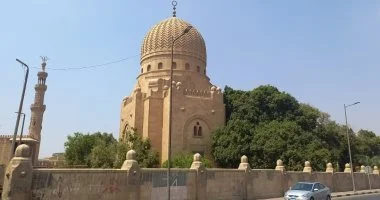
The Silent Palace of Death: Discovering the Dome of Princess Shweikar
Walking through the busy, sun-drenched streets of modern Cairo, it is easy to get swept away by the sheer velocity of the city. The roar of traffic, the calls of street vendors, and the towering modern apartments create a dense layer of noise. Yet, if you slip away into the historic districts where the City of the Dead quieted the earth centuries ago, you enter a completely different world. It is a world where stone tells stories of love, tragedy, and forgotten royalty. Among these architectural secrets, hidden in the southern cemetery of Cairo, stands a masterpiece of royal grief: The Dome of Princess Shweikar.
Princess Shweikar was a really interesting person from Egypt's Muhammad Ali Dynasty. She left behind some amazing buildings that don't look like the usual simple Islamic graves. Her tomb is actually a stunning mix of European and Islamic styles - it's like a combination of fancy European decorations and traditional Islamic grandeur. This building shows what kind of person she was, someone who lived during a time when Egypt was changing a lot and becoming a modern country. The way her tomb looks, with its unique blend of different styles, is a reflection of the changes she saw happening around her. It's not just a grave, it's a symbol of a woman who was part of a big transformation in Egypt's history.
Let us slow down and step inside this hidden gem of Cairo’s heritage, exploring the life of the princess, the stunning details of her final resting place, and why this monument remains a hauntingly beautiful chapter in Egyptian history.
1. The Woman Behind the Stone: Who Was Princess Shweikar?
To truly appreciate the artistry of the dome, one must first understand the complex, high-stakes life of the woman who commissioned it. Princess Shweikar Khanum Effendi, born in 1876, was a member of the Egyptian royal family. She was the first wife of Prince Ahmed Fuad, who would later become King Fuad I of Egypt. This marriage made her an incredibly influential figure in the royal court, though her life was far from a quiet fairy tale.
A Turbulent Royal Life
The marriage between Princess Shweikar and Prince Fuad was really troubled. They had a lot of personal problems and money issues. Things got so bad that in 1898, Princess Shweikar's brother, Prince Ahmad Saif al-Din, shot Prince Fuad at a club in Cairo. Luckily, Prince Fuad didn't die, but he was hurt really badly and had scars for the rest of his life. This incident made a lot of news and ended with Princess Shweikar and Prince Fuad getting a divorce. It's interesting because Prince Fuad would later become the ruler of Egypt.
A Queen of Society and Charity
Princess Shweikar didn't let the scandal bring her down. She used it as a chance to reinvent herself and become one of the most influential women in Egypt's history. She turned her palace in Cairo into a hub for culture and learning, where she would host important people like prime ministers, thinkers, writers, and diplomats from other countries. She was very passionate about helping women get an education and led big charity groups. She also donated money to build schools and hospitals all over Egypt, making a real difference in people's lives. Her legacy is still felt today, and she remains an inspiration to many.
When she died in 1947, a big gap was left in Cairo's high society, but she had already made her mark in a special way - her mausoleum was a lasting reminder of her presence, a personal statement that would stay forever.
2. The Architectural Fusion: Where East Meets West
The royal tombs in Cairo's old cemeteries usually look pretty similar, with sharp lines, carvings, and fancy writing, following the styles of the Mamluk or Ottoman periods. But Princess Shweikar's tomb is totally different, it breaks all the rules.
The mausoleum was constructed during a time when Egypt was a melting pot of different cultures. This was a period when the elite were really interested in European art. The people who designed the mausoleum, hired by the princess, combined the grand style of Italian Baroque and the delicate features of French Rococo with the traditional Islamic idea of a dome for burial sites. They created a unique blend of styles, showing how different cultures can come together in a beautiful way. The result is a stunning example of how European and Islamic influences merged to create something truly special.
The result is a structure that feels less like a dark tomb and more like a theatrical, marble ballroom frozen in time. The exterior features sweeping, organic curves, elaborate floral motifs, and large windows that allow natural light to flood the interior, turning the space into a luminous sanctuary of remembrance.
3. Inside the Sanctuary: The Marble Curtain of Death
As you step inside the mausoleum, you can't help but feel a sense of awe that's hard to shake off. The way the interior is designed, it's like a warm hug that wraps around you, chasing away the chill you'd normally expect from a place like this. Instead, you're surrounded by an incredible display of art and luxury that's just overwhelming.
The Illusion of Fabric in Stone
The absolute crown jewel of the mausoleum is the cenotaph itself. Crafted from premium, flawless white marble, the tomb looks as if it has been draped in soft, delicate lace and flowing silk curtains.
These "curtains" are actually made from solid marble, carved with such skill that the stone looks like it's floating. It's as if the marble has been given a weightless quality, with delicate folds, tassels, and embroidery that resemble the finest royal fabrics. The effect is a breathtaking visual illusion that represents the journey from the opulence of life's palaces to the eternal rest of death. What's really striking is how the craftsmanship creates a sense of lightness, making the marble seem almost like fabric. This illusion is not just beautiful, but also symbolic, marking the transition from the luxury of life to the stillness of death.
The Sky Within the Dome
Looking upward, the dome’s interior is a marvel of artistic engineering. Instead of traditional Islamic muqarnas (stalactite carvings), the base of the dome is adorned with European-style plasterwork, featuring cherub-like flourishes, blooming garlands, and elegant relief work.
The sunlight pouring in through the windows highlights the sleek white marble floors, casting a gentle, heavenly glow that changes as the day goes on. This gives the feeling that the princess wanted her last resting place to be just as bright, beautiful, and elegant as the fancy rooms she used to entertain in when she was alive.
4. The Poignancy of Royal Epigraphs
The ancient Egyptian monuments are not just about the structures, they also have a story to tell through the words that are written on them. If you look inside Princess Shweikar's dome, you'll see that it's not just the beautiful Baroque carvings that make it special, but also the poetic verses and Quranic inscriptions that are written in a really elegant Arabic calligraphy. These words add a lot of emotional depth to the place, making it feel more personal and meaningful. The way the inscriptions are placed among the carvings is also very thoughtful, it's like they're trying to convey a message that's both beautiful and powerful.
These inscriptions serve a dual purpose. On one hand, they reinforce the Islamic identity of the deceased, invoking prayers for mercy, forgiveness, and entry into paradise. On the other hand, the elegiac tone of the poetry reflects the fleeting nature of royal power, wealth, and beauty. For a woman who was once the wife of a future king and a leader of Cairo's elite society, the words carved onto her marble tomb serve as a humbling reminder that all earthly glory eventually fades into the silence of the grave.
5. A Heritage in Danger: The Need for Preservation
Cairo's historic cemeteries, often referred to as the City of the Dead, have been under a lot of stress lately. This is because of new buildings and roads being constructed, as well as people not taking care of these old places. A lot of the really old tombs have been torn down or damaged, which has made many historians, people who care about old things, and architects from all around the world very upset.
The Dome of Princess Shweikar is a delicate reminder of the importance of preserving our cultural heritage. It's more than just an old building - it's a one-of-a-kind blend of different cultural influences. This historic site captures a specific moment in time, when Egypt was engaging with the global art scene, and creating something fresh and stunning in its own right, during the late 19th and early 20th centuries. It's a unique fusion of styles, a true reflection of Egypt's conversations with the world, and a beautiful example of what can be achieved when different cultures come together. The Dome of Princess Shweikar is a testament to the country's rich history, and a reminder of the need to protect and preserve our cultural treasures for future generations.
Preserving this monument is crucial because it allows future generations to gain a deeper understanding of Egypt's complex and diverse modern history. By doing so, they can move beyond basic stories and appreciate the rich artistic details of the past. This way, people can see the full picture of Egypt's history, with all its nuances and complexities, rather than just a simple version of it.




-webp.webp "Hilton")
-webp.webp "dusit")
-webp.webp "Marriott Hotels")
-webp.webp "Azimut Hotel")
-webp.webp "Golden Tulip")
-webp.webp "sheraton")
-webp.webp "westin hotel")
-webp.webp "Movenpick")
