
The Crown of Al-Muizz: The Sabil-Kuttab of Abd al-Rahman Katkhuda
.jpg)
The Sabil-Kuttab of Abd al-Rahman Katkhuda appears in most photographs which depict Old Cairo. The structure stands at the location where Al-Muizz Street divides into two separate paths which serve as the city center's historical main avenue. The building which was constructed in 1744 stands as the most sophisticated structure in the city although it does not reach that particular height. The building functions as a heartbeat which maintains the entire neighborhood's rhythm through its architectural design.
Katkhuda's sabil stands as an entirely human space because it shows the highest level of public space design which exists in 2026. The building functioned as a community facility which delivered essential services to residents by offering cold water and primary educational resources while providing them with an architectural masterpiece to admire throughout the day. The tale demonstrates how a wealthy patron turned his personal pride into a community present which shows how even small pieces of property can transform into the central essence of urban areas.
1. The Architect’s Geometry: A Masterpiece of Placement
The building establishes its territory through its most dominant architectural feature. The structure was built on a small triangular area which two streets intersect. This space would have been a restricted area for an architect with less skill. The site developed into a successful example of urban design.
The Ship of History: The building appears to be suspended above the busy street because three of its sides remain unconnected to other structures. The structure operates as a public space that attracts visitors from multiple paths who seek to find shelter. The invitation goes entirely to human beings through its message which declares that all visitors will find a welcome at this location.
The Double-Decker Logic: The design presents human development through its vertical structure. The Sabil served as a body treatment area which supplied drinking water to people who entered the building. The Kuttab upper level classroom provided educational facilities for orphans and local children who used its open wooden arches. Human design establishes a body development sequence which must occur before mental development begins.
A Landmark for the People: Katkhuda's sabil served as a major navigation center in the 18th century. People often used "meet me at the sabil" as a meeting location. The area offered residents of the busy city space to find their way back home.
2. The Art of the Detail: Stone Lace and Turkish Tiles
The powerful military officer Abd al-Rahman Katkhuda dedicated his life to serving his country while he developed into a dedicated supporter of artistic expression. He enjoyed creating new styles through remixing different designs which he combined with the 18th-century architectural elements which represented his best work.
The Mamluk Heritage: The building displays the traditional "Ablaq" style through its brickwork which alternates between light and dark limestone to create a dynamic visual effect. The decorative elements which surround the arches possess such profound artistic value that people refer to them as "stone embroidery." The creation process required complete human dedication which took more than 1000 hours of work to achieve the final result.
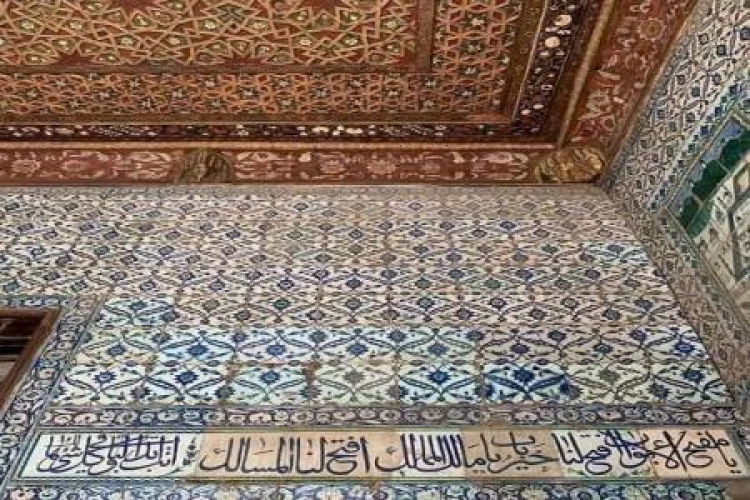
The Ottoman Soul: Enter the building to discover a new atmosphere which awaits you. The walls display beautiful Iznik tiles which feature blue and white designs that Turkish artisans brought from their homeland. The tiles show floral patterns which include a depiction of the holy city Mecca. The public water station used this luxury product which had reached its most expensive point. The world understands "luxury" as something which belongs to royal residences while it should exist in all public spaces.
The Bronze Grills: The building features large windows which require protection from heavy decorative bronze grills. The water-man at "Sabilgi" used the windows to distribute sweetened rose and orange blossom water to people who needed to drink water in Cairo. The experience engaged all my senses through the coldness of the metal cup which I held and the perfume of water and the view of ornate stonework.
3. The Pulse of the Street: A Mirror of Cairo
The present path through Katkhuda marks a complete human experience. The sabil at modern Cairo produces a "pocket" of dignity which exists amid the city's loud activities.
The Sound of the City: For nearly three centuries, this building has heard everything—the clatter of horse hooves, the calls to prayer, the laughter of schoolchildren, and now the hum of motorbikes. The "silent observer" function exists because it has absorbed the energy which comes from millions of people who moved through its space.
The Intersection of Cultures: This sabil is a perfect example of globalization before the internet. The architectural design combines Egyptian Mamluk elements with Ottoman Turkish characteristics to produce an authentic Cairo style. The production shows 100% human history through which people exchanged products and traveled while sharing their creative works.
The Survival Instinct: The fact that this building still stands, with its delicate wooden balcony and fragile tiles intact, is a miracle of community care. The people of Cairo have always recognized this site as a "Crown" of their heritage which has enabled its survival through earthquakes and urban expansion.
4. Why Katkhuda Matters Today
The Dignity of Charity shows us that society needs more than bureaucratic procedures to receive proper social contributions. The highest artistic standards were used to create water and educational services for underprivileged communities. The study indicates that all people should have access to attractive environments which enhance their natural surroundings.
Small Footprint, Big Impact: A city transformation requires more than a building which reaches the height of a skyscraper. The sabil occupies a small space which establishes its identity as one of the most famous streets in the world. The process shows how people create value through their actions by using all physical space available to them.
A Sensory Sanctuary: In 2026, we are often starved for real textures. The experience of touching hand-carved cool limestone and viewing hand-painted tiles creates a fundamental experience which virtual reality technology cannot reproduce.
The Guardian of the Crossroads
The Sabil-Kuttab of Abd al-Rahman Katkhuda functions as both a historical site and an architectural work that represents the highest achievement of Al-Muizz. The structure represents a historical period when all powerful city leaders dedicated their resources to creating public spaces of utmost beauty.
When you walk past it today, take a moment to stand at the junction where the street splits. The children used to sit on the open wooden balcony which you can see from the building that moves through the crowd like a ship sailing through the ocean. The 280-year-old promise shows that true beauty and charity and education make up the essential groundwork for building a prosperous society. The stone and soul creation functions as a complete human sanctuary which transformed a common street intersection into an exceptional world heritage site.



-webp.webp "Hilton")
-webp.webp "dusit")
-webp.webp "Marriott Hotels")
-webp.webp "Azimut Hotel")
-webp.webp "Golden Tulip")
-webp.webp "sheraton")
-webp.webp "westin hotel")
-webp.webp "Movenpick")