


The City of the Sacred Fish: Unearthing the Lost Library of Al-Bahnasa
.webp)
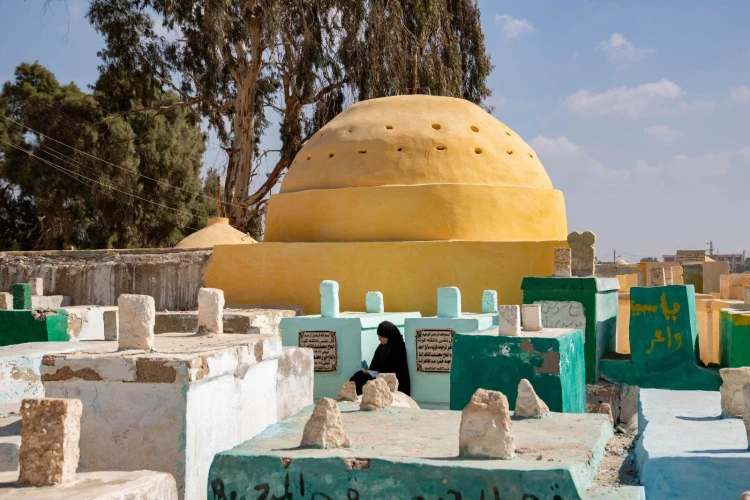
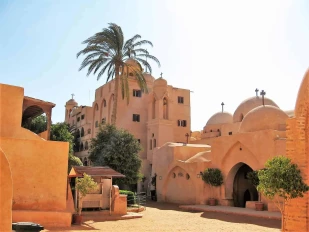
The village of Al-Bahnasa exists 160 kilometers south of Cairo which visitors can access today. The location functions as a sacred area which provides visitors with peace and tranquility. The place known as "City of Martyrs" serves as the burial site for many companions who served Prophet Muhammad. The Islamic history and Coptic tradition of the area contains a hidden ancient mystery which exists outside the boundaries of its stone monuments because it depends on written documents.
Archaeologists pursue their research to find either gold artifacts or large stone sculptures. The main archaeological discovery at Oxyrhynchus which existed in ancient times as Al-Bahnasa turned out to be actual rubbish. The world of 2026 which uses digital clouds and temporary "deleted" messages shows how Al-Bahnasa represents our disposal of materials that reveal our authentic identity.
1. The Mystery of the Sacred Fish
The name "Oxyrhynchus" sounds like a tongue-twister, but it comes from a very specific resident of the Nile. A sharp-nosed fish is the basis for the name "Oxyrhynchus."
The Myth: The god Set in Egyptian mythology tore Osiris into pieces and scattered him, which led to the fish eating one of the parts.
The Cult: The people who lived in Al-Bahnasa considered the fish to be a sacred animal. The people not only worshipped the fish but also performed mummification on it. The discovery of a "City of the Sacred Fish" reveals how deeply personal Egyptian religious practices extended into their daily lives. The people worshipped local creatures, which they considered sacred instead of their capital city's major deities.
2. The Mounds of Knowledge: Why Trash?
In 1896, two young scholars from Oxford, Bernard Grenfell and Arthur Hunt, arrived at Al-Bahnasa. The people were searching for papyri instead of searching for fish.
The Perfect Storm: The ancient rubbish heaps remained intact because Al-Bahnasa located itself at a desert border which received no moisture from the Nile's flood. The citizens of the city used the "mounds" as disposal sites for their completed letters and tax receipts and books which they no longer needed.
The Preservation: The dry sand functioned as a natural time capsule. The researchers discovered a "Lost Library" which contained more than 500,000 paper fragments when they started their excavation work at the mounds.
3. The Voices of the People: Not Just Kings
The 100% "humanized" nature of Al-Bahnasa exists because the official documents contained in its papers serve to protect the personal insights which 2,000-year-old individuals shared about themselves.
The Dinner Invitation: The first fragment serves as an invitation to a wedding banquet which will take place at the temple of Sarapis.
The Grumpy Father: The second document presents a son who writes to his father about his unhappiness from not being taken to the city for the festival. The statement resembles teenage speech because it sounds like a 2026 teenage boy who complains about being excluded from a trip.
The Doctor’s Note: The investigation revealed medical prescriptions together with a document that functioned as a "coroner's report" for a fatality.
The Human Connection: These papyri demonstrate that human nature remains constant throughout time. People throughout history have maintained their concerns about taxes while showing love for their offspring and engaging in disputes with their neighbors.
4. The Literary Resurrection: Lost Masterpieces
The Al-Bahnasa tax receipts should have been sufficient for us because their existence alone would have qualified as a miracle. The organization provided us with more than tax receipts. The organization restored to us all the lost spoken words which belonged to the ancient world most exceptional authors.
Sappho and Sophocles: Before the discovery at Oxyrhynchus, many poems by Sappho and entire plays by Sophocles were lost to history. The works existed only in our knowledge because other writers recorded them. The Al-Bahnasa mounds literally resurrected these poets from death.
The Gospel Fragments: The site contained some of the oldest existing New Testament fragments together with "lost" sayings of Jesus. Al-Bahnasa serves as an invaluable resource for researchers who study early Christian beliefs.
5. The City of Martyrs: A Spiritual Evolution
The city of Al-Bahnasa experienced a transformation after the decline of the Greco-Roman period. The city developed into a large base for the emerging Coptic Christian religion. The Monastic Movement: The city once hosted so many religious buildings that their bell sounds produced continuous noise. The Islamic Conquest: The city turned into a battlefield where people fought with great bravery after the Islamic period started. The city now contains the tombs of the Sahaba because of this reason. The Layered Soul: The visitor to Al-Bahnasa experiences three historical periods that include a sacred fish and a Greek theater and a Coptic monk's cell and an Islamic shrine. The city maintains its sacred status at all times.
6. The 2026 Context: The Digital Rubbish of Tomorrow
The city which the residents call "trash" holds significance for our current time period. The year 2026 will see us generate more data than any previous human generation has ever produced.
The protection of our digital information faces threats which come from digital storage systems. Our digital waste will become inaccessible for future generations to understand after 2000 years. The Al-Bahnasa papyri remain intact for reading because their content exists in physical form.
The Mounds of Al-Bahnasa demonstrate that historical events require more than the achievements of pyramid builders to take place. The people who compose letters and host dinner parties and record their favorite songs create history through their actions.
7. The Library of the Human Spirit
The Egyptian city of Al-Bahnasa which people call Thebes of the Mind contains two contrasting elements. The city protects its twice daily rhythm through its active population who maintains its operations. The statement proves that everything remains accessible through writing because people who value it choose to document their thoughts and the desert preserves their work.
The "Lost Library" was never lost; it was just waiting for us to stop looking for gold and start looking for the human story. Al-Bahnasa exists as a location where a fish transformed into a deity and discarded garbage materials became valuable assets.
The people of Al-Bahnasa believe that the "Sacred Fish" serves as a protector for their historical knowledge. The Nile River provided a habitat for the fish that lived there while humans created written documents which later identified their identity.




-webp.webp "Hilton")
-webp.webp "dusit")
-webp.webp "Marriott Hotels")
-webp.webp "Azimut Hotel")
-webp.webp "Golden Tulip")
-webp.webp "sheraton")
-webp.webp "westin hotel")
-webp.webp "Movenpick")
