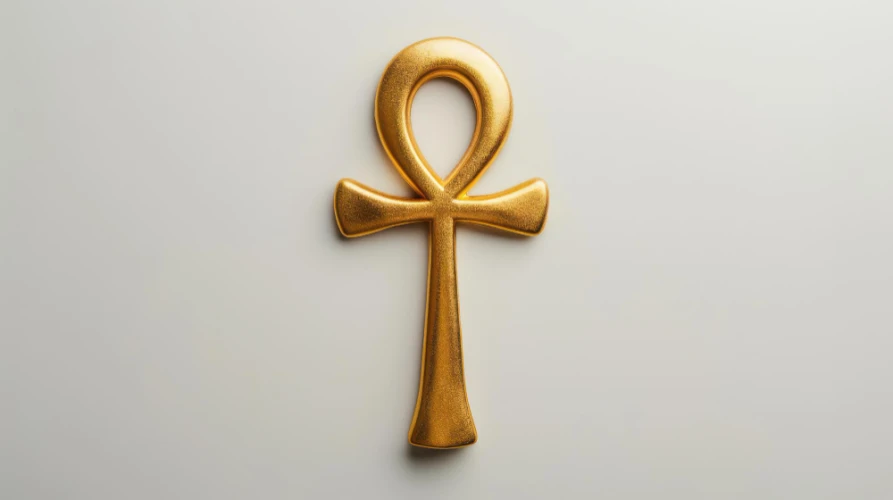
The Ankh Explained Why This Ancient Egyptian Symbol is far and wide
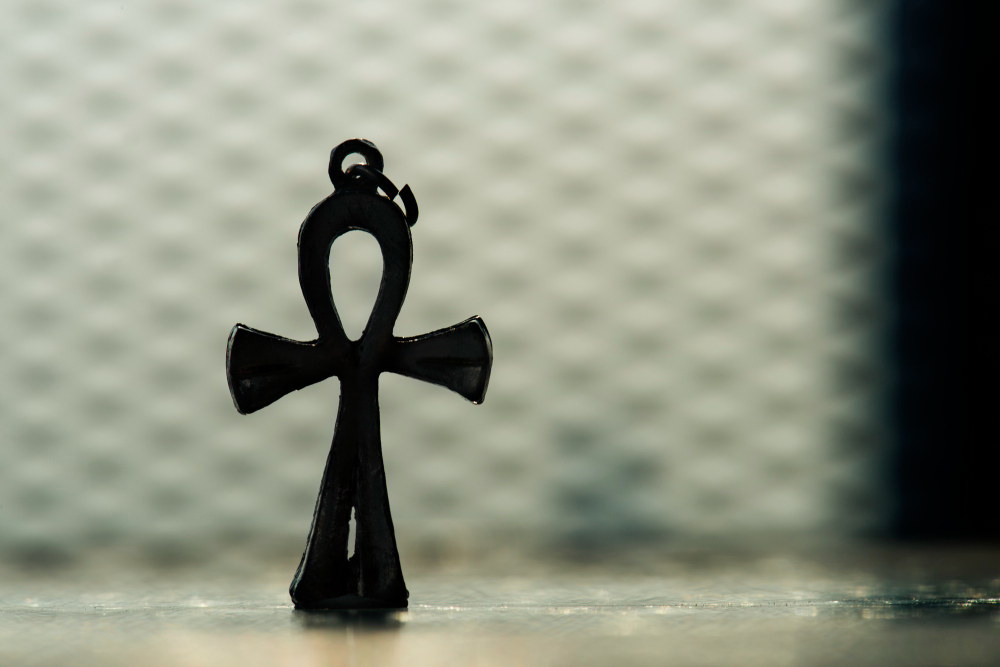
The Ankh Explained Why This Ancient Egyptian Symbol is far and wide
still, 2027, or 2028 trip seasons, If you are planning a trip to Egypt anytime in the 2026. It’s sculpted into the massive pillars at Karnak, painted inside the secret sepultures of the Valley of the lords, and presumably published on half the t- shirts in the original stores.
I’m talking about the Ankh. You presumably know it stylish as the" Key of Life."
But what does it actually mean, and why were the elders so hung up with it? Let’s break it down without getting tangled up in boring academic slang.
It's Literally the Word for" Life"
Visually, the Ankh is enough simple it’s a cross with a teardrop- shaped circle at the top. But to the ancient Egyptians, it was not just a suitable design. It was a hieroglyph that literally restated to the word" life."
It was such a important conception that Pharaohs actually erected it into their own names. Take King Tutankhamun, for illustration. His name roughly translates to" The Living Image of Amun." They believed that using the symbol was a way to guarantee eternal life and keep the gods happy.
The funny thing is, ultramodern Egyptologists still argue about where the shape firstly came from. Some experts suppose it represents a sandal swatch. Seriously. The idea is that a sandal helps you move forward, and life is an endless trip. Others suppose it’s a picture of the sun rising over the horizon, or perhaps indeed a symbol of manly and womanish powers coming together to produce new life.
Catching Their Breath Gods and dictators
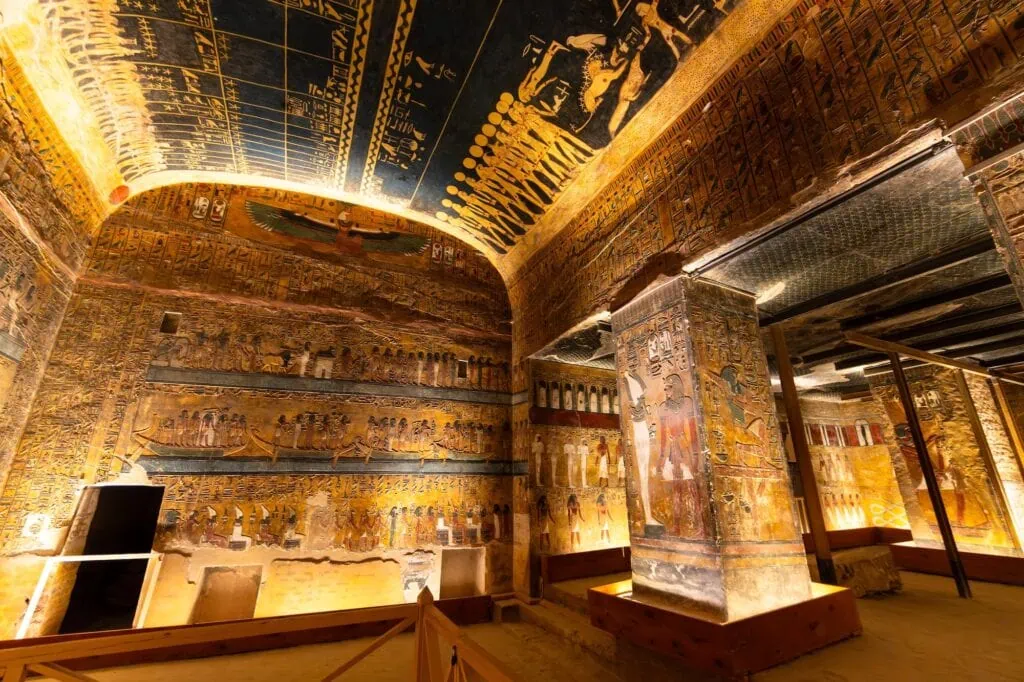
When you are taking a slow, quiet trip down the Nile — perhaps concluding for an intimate Dahabiya voyage rather than a noisymega-boat you get plenitude of time to really look at the tabernacle walls.
Pay close attention to the gods. You'll notice they nearly always hold the Ankh by the circle. It looks exactly like they're holding life by a handle. In a lot of the coronation busts, you will see a god holding the Ankh right up to the Pharaoh's nose. They are not just showing it to him; they're literally breathing the" breath of life" into the king to make him immortal.
Lucky Charms and Clever Puns
The Key of Life was n’t reserved rigorously for lords and massive gravestone monuments. Regular everyday folks loved it, too.
People wore Ankh phylacteries made out of gold, bobby
, or bright blue faience. It was basically the ultimate lucky charm to shield off sickness and guarantee a long, healthy life. And because the Egyptians were deeply concentrated on the afterlife, these phylacteries were put away right into corpus wrappings. The sense was simple you demanded that crucial to unlock the gates of the demiworld and get into paradise.
They also loved a good pun. King Tut actually had a rustic glass case sculpted in the exact shape of an Ankh. Why? Because the ancient Egyptian word for" glass" sounded exactly like the word for" life." So, every time the king checked his reflection, he was literally looking at his life. Enough clever for a piece of bedroom cabinetwork.
A Symbol That Refused to Die
You would suppose a idolater symbol this old would ultimately just fade into history. But the Ankh acclimated.
When Christianity started spreading through Egypt, the early Coptic Christians looked at the Ankh and saw commodity that impeccably matched their own beliefs about eternal life and rejuvenation. Over time, it naturally morphed into what we now call the Coptic Cross. It's a fantastic illustration of how societies do not just abolish each other; they blend together.
Why It Still Matters
moment, the Ankh has gone completely global. You see it in high- end jewelry, it’s a massive symbol of African heritage, and people each over the world get it tattooed as a memorial of inner strength.
But to really feel the weight of what it means, you have to see it exactly where it was born. At New Travel Dynamics, we always tell our guests that understanding these small details fully changes the way you witness Egypt. Knowing the story behind the Ankh transforms a pile of old remains into a deeply mortal story about people who just wanted to live ever.
And actually, is not that commodity we can all relate to?



-webp.webp "Hilton")
-webp.webp "dusit")
-webp.webp "Marriott Hotels")
-webp.webp "Azimut Hotel")
-webp.webp "Golden Tulip")
-webp.webp "sheraton")
-webp.webp "westin hotel")
-webp.webp "Movenpick")