


_11zon-webp.webp)
Seven Wonders of the Ancient World: The Greatest Monuments Ever Built
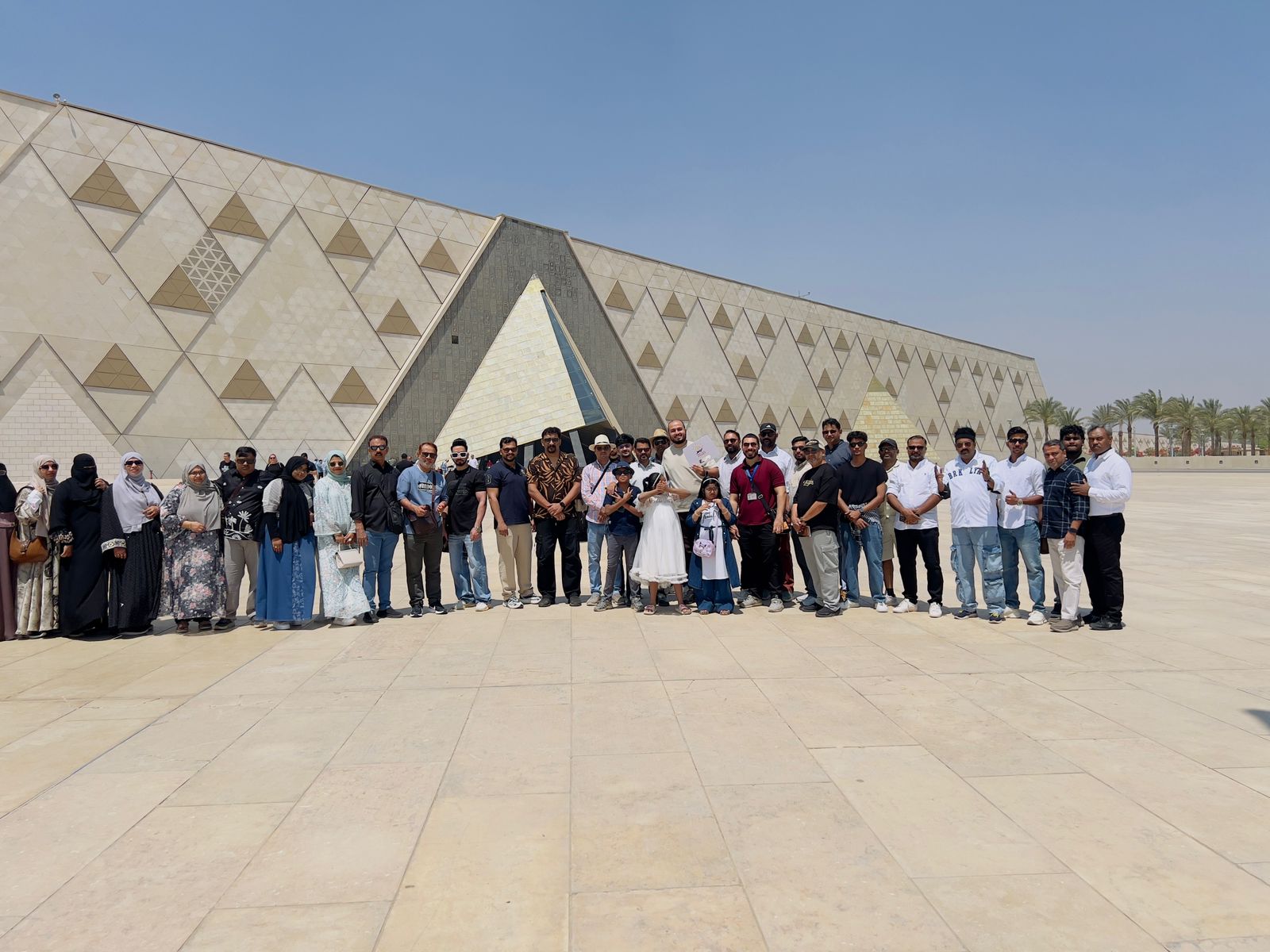
Discover the Seven Wonders of the Ancient World
Explore the Seven Wonders of the Ancient World
The Seven Wonders of the Ancient World are some of the most amazing architectural and engineering marvels to ever be constructed by any civilization throughout history. Constructed many years ago, these amazing feats of human ingenuity were meant to demonstrate the abilities and imagination , but also the audacity of those civilizations. Although only one of these Wonders remains intact, their tales continue to reach out to people all around the globe.
What Are the Seven Wonders of the Ancient World?
The Seven Wonders of the Ancient World are more like an ever-growing list of some truly amazing architectural marvels created by ancient Greek visitors and perhaps a few other intellectuals of their time. Almost as if they wanted to highlight the most astounding feats of mankind known in those days to the whole Mediterranean region.
The original Seven Wonders are all these things:
Great Pyramid of Giza
Hanging Gardens of Babylon
Statue of Zeus at Olympia
Temple of Artemis at Ephesus
Mausoleum at Halicarnassus
Colossus of Rhodes
Lighthouse of Alexandria
And those monuments were built roughly between 2600 BCE and 280 BCE, kind of showing the cultural plus technical progress of each civilization, in a pretty straightforward way.
1. Great Pyramid of Giza
Well, The Only Wonder That Still Stands… sort of!
The Great Pyramid of Giza, as some call it, is believed to be the oldest and longest-lasting of the Seven Wonders. Its location is near what is now known as Cairo in Egypt, and it was built as a tomb for Pharaoh Khufu in 2560 BCE
Originally, it reached somewhere around 146 meters or 481 feet tall, making it the tallest man-made structure until well over 3,800 years had gone by.
Major facts
It used around 2.3 million blocks of stone.
It was constructed in the time of Egypt’s Fourth Dynasty.
It falls under the Giza Pyramid Complex region.
It is the only remaining Ancient Wonder.
Indeed, nowadays, thousands flock there annually just to take a glimpse of the structure, and this is the reason it is considered one of the most famous tourist destinations in the whole world.
2. Hanging Gardens of Babylon
The Most Mysterious Wonder
One of the greatest enigmas of historical wonders remains the hanging gardens of Babylon, which, according to ancient literature, were covered with lush vegetation and exotic trees, with terraced cascades that somehow seemed to float in the air in an unusual illusion.
According to historical records, it was designed and built in ancient Babylon by Nebuchadnezzar II, the ruler of Babylonia, which was situated in the current territory of Iraq.
But have there been any real Hanging Gardens?
Until the present day, scholars dispute the actual existence of such a wonder. Even after extensive archaeological research, there has not been enough concrete evidence to prove anything.
However, based on descriptions provided by ancient literature, it seems that this was an impressive technical achievement that used complex irrigation systems that carried water from the ground upwards despite its rather arid climate.
3. Statue of Zeus at Olympia
Statue of the King of Gods - Zeus
One of the best works of art from ancient Greek civilization, was the sculpture called the Statue of Zeus at Olympia. The great artist Phidias made it, around 435 BCE, and the statue was located inside the Temple of Zeus Olympia, in Greece.
It stood approximately 12 meters (39 feet) tall and was constructed of ivory and gold.
Why it was important
Zeus's statue was a symbol of his authority and power, because he was the king of all Greek gods. Accounts were written by people who visited and saw the sculpture, about how amazing it was, inspiring reverence in people's lives and travels.
Unfortunately, however, the statue no longer exists.
4. Temple of Artemis at Ephesus
The Temple of Artemis was one of the biggest religious structures ever built, although not quite. This building was located in the city of Ephesus in contemporary Turkey. It was dedicated to the goddess Artemis and became famous due to its large dimensions, but also because of intricate decorations.
Such a construction required a great number of marble columns, but also various decorative sculptures carved by some of the best artists of the period.
A story of destruction and subsequent reconstruction
In the process of existence, the temple had been demolished and reconstructed many times. There is one incident, which became known as a part of the historical account related to the temple: in 356 BCE it was destroyed during arson attack.
However, regardless of all attempts of restoration, the temple remained in ruins. At present one can observe just pieces of it.
5. Mausoleum at Halicarnassus
The origin of the word “mausoleum” is kinda tied up with the Mausoleum at Halicarnassus, which was put together as this really big , monumental tomb for Mausolus, a ruler in Caria , and also for his wife Artemisia.
Nowadays it’s in what we’d call modern Bodrum, Turkey , and the whole structure is a mix of Greek, Egyptian, and Lycian architectural vibes, not only one style.
If you look at it in terms of architectural novelty, the thing basically stood around 45 meters , roughly 148 feet, tall , and it had ornate statues plus decorative reliefs made by leading artists of that era.
And since it became super well-known , like really well-known, the word “mausoleum” itself got passed down, so now people still use it for grand tombs and memorial buildings , even if they don’t really consider where the term came from.
6. Colossus of Rhodes
A Statue of Victory and Freedom
The Colossus of Rhodes is the name of such a grand statue built in honor of the sun god Helios, kind of as a celebration of sorts
It was erected sometime around 280 BC in the Greek city of Rhodes, which served as a reminder of the city’s successful defense against an invasion that could have spelled doom for the entire town, quite literally
How Tall Was It, Really?
According to historical accounts, it was somewhere in the vicinity of 33 meters or 108 feet tall, so clearly one of the tallest ancient statues known to date
Not to mention , contrary to popular belief, the statue itself was not positioned with its legs spread open over the water, as an imposing gate of sorts
Unfortunately, however, the statue did not last long, existing for little over two decades before an earthquake destroyed it
7. Lighthouse of Alexandria
As the saying goes, it is the best lighthouse in the history of the Ancient World, or so many people think. Well, speaking of the Lighthouse of Alexandria or even Pharos of Alexandria, it is worth mentioning that it was located on the Pharos Island near Alexandria, Egypt.
The construction took place in the era of the rule of the Ptolemaic Kingdom, and since then, it played an important role in helping ships find the port of Alexandria, which is definitely a very important harbor for those times, without being unsafe.
Certainly, the engineering work carried out was quite impressive; otherwise, people would not call it the best lighthouse. Most researchers agree that the height of this lighthouse was somewhere between 100 to 130 meters.
And what is also interesting is that all these architectural constructions were used further for creating similar buildings. For instance, it can be said that it established certain standards for maritime navigation.
In any case, numerous earthquakes brought the tower down in the Middle Ages.
Why the Seven Wonders Still Matter Today
However, despite being part of history, the Seven Wonders of the Ancient World seem to attract people’s attention, and all for the reason that these wonders reflect the desire of mankind to create something remarkable and even more than that.
Indeed, these wonders represent
advanced engineering achievements, but it is just a part of the story.
excellent artistic achievements, as well.
great cultural achievements, in their true essence.
inventions in the field of architecture with an unusual daring style.
significance from a historical perspective.
Although many wonders have been lost, their legacy lives on and one can feel it in the current achievements in engineering, architecture, and culture.
Visiting the Locations of the Ancient Wonders
Travelers who like ancient history, can still drop by a handful of places tied to the Seven Wonders, even today. It’s kind of like wandering through old memory but with dust on it. Some well-known stops are
The Great Pyramid of Giza in Egypt.
The ruins near Ephesus in Turkey.
The remains at Halicarnassus also in Turkey .
Historic locations in Greece connected with Olympia and Rhodes.
Alexandria, Egypt where the legendary lighthouse once stood.
All these spots give a singular chance to link up with a few of the most meaningful chapters in human story.
Frequently Asked Questions
Which of the Seven Wonders is still there, you know, today?
The Great Pyramid of Giza is the only one that still survives out of the original Seven Wonders of the Ancient World.
Why did they end up with just seven, and not more?
For the Ancient Greeks, seven stood for perfection and completeness. So yeah, it was sort of a good fit for their list of notable achievements, and that’s how it worked out.
Were the Hanging Gardens of Babylon actually real?
The Hanging Gardens are still a bit of a question mark. Historians keep arguing whether it was a real building, or more like a mythical, legendary creation that people repeated over time.
Where were most of the Seven Wonders, like mostly placed?
Most of them were in and around the Mediterranean area, plus the Near East. This lines up with what ancient Greek travelers knew geographically, and the routes they talked about.
Seven Wonders of the Ancient World
The Ancient World’s Greatest Lighthouse, or maybe that’s what people like to say. The Lighthouse of Alexandria—also known as the Pharos of Alexandria—sat on Pharos island right off Alexandria, Egypt.
It got finished while the Ptolemaic Kingdom was in charge, and from there it kind of helped steer ships into one of the major harbors of the ancient Mediterranean, safely, mostly, you know.
Engineering excellence yeah, that sounds about right. Most estimates land it somewhere near 100 to 130 meters in height , so it was among the highest structures around back then.
And the whole thing wasn’t just some showy look , the design actually influenced lighthouse building for ages. Basically it set new patterns for sea navigation, and made things a little more reliable for sailors.
Then later on, a chain of earthquakes finally knocked it over, during the Middle Ages, and well, that was that.



-webp.webp "Hilton")
-webp.webp "dusit")
-webp.webp "Marriott Hotels")
-webp.webp "Azimut Hotel")
-webp.webp "Golden Tulip")
-webp.webp "sheraton")
-webp.webp "westin hotel")
-webp.webp "Movenpick")
