
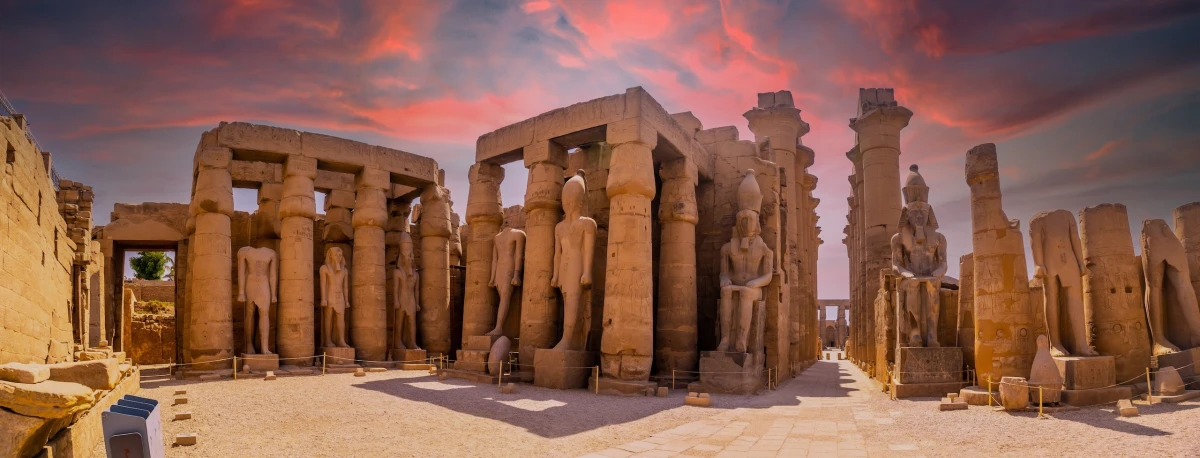
Exploring the Legacy of Ancient Egypt
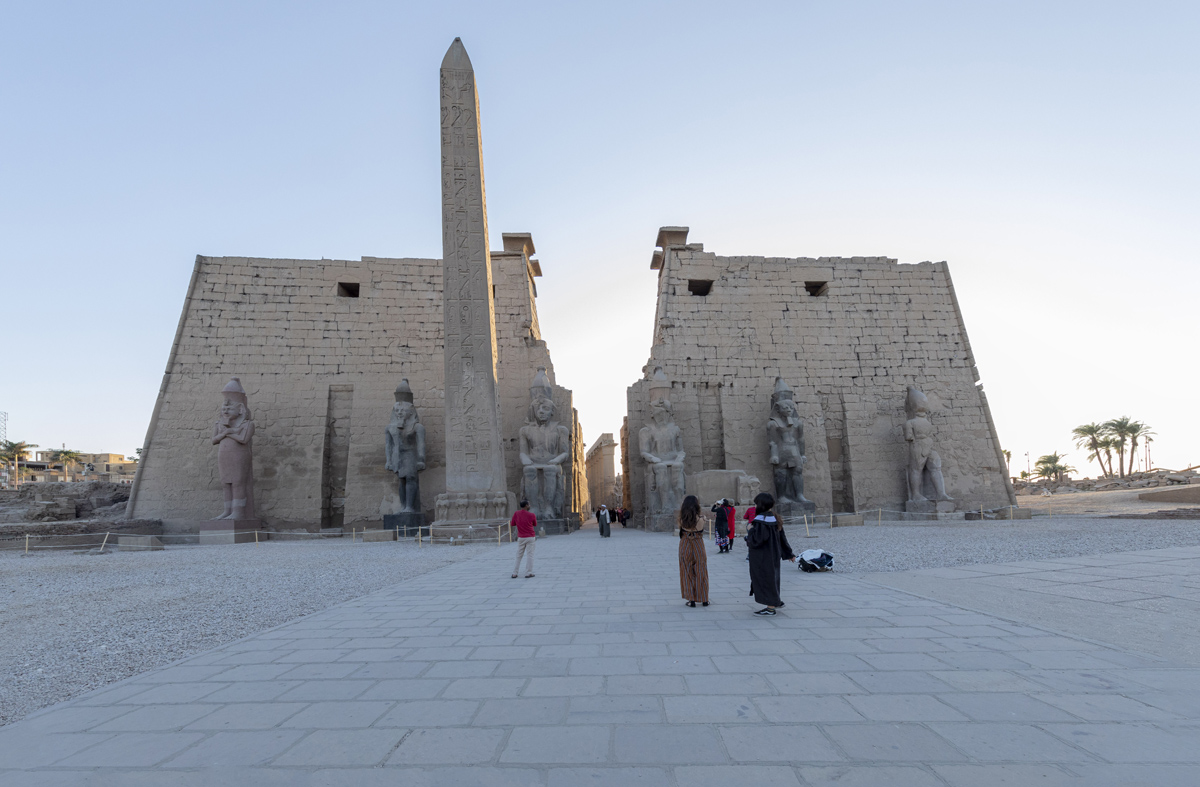
Egypt has had a continuous flow of visitors from different countries who came to see its remarkable ancient heritage and its renowned historic sites. The Pyramids of Giza, together with the Nile River temples, stand as enduring attractions that have captured the attention of visitors throughout history. European explorers from the fifteenth and sixteenth centuries explored Egypt while they traveled through North Africa and the Middle East. The explorers documented their findings about the temples and tombs, together with the ancient structures that they found. The ancient Egyptian monuments received their first introduction to European audiences through descriptions that included both scientific elements and inaccurate information. The first travel books about Egypt created new public interest in Egyptian history, which led to increased historical research about the country. Egyptian Studies developed into a scholarly field that investigates the linguistic and cultural elements, together with the architectural traditions and historical growth of ancient Egyptian civilization.
The Rosetta Stone as a Turning Point
The finding of the Rosetta Stone proved to be so significant as to advance ancient Egyptian history. Discovered by the soldiers in 1799 during the Egyptian expedition of Napoleon Bonaparte, the stone paved the way for a new level of inquiry in Egyptology, due to the unique value of displaying the same text in the hieroglyphic, demotic, and Greek scripts.
Scholars using their knowledge of Greek had started deciphering ancient Egyptian hieroglyphs. French scholar Jean‑François Champollion indicated a milestone when he decoded these writings in 1822. Finally, this breakthrough made it possible for historians to go through writings on ancient Egypt once again after centuries.
Great Discoveries That Revealed Secrets of Ancient Egypt
The modern understanding of Egypt emerged from exceptional discoveries that took place during the nineteenth and early twentieth centuries. The discovery of Tutankhamun's tomb by Howard Carter in 1922 at the Valley of the Kings stands as one of the most famous discoveries. The tomb contained gold and jewelry together with ceremonial artifacts, which displayed both the Pharaoh's riches and the complete Egyptian burial customs and daily activities in ancient Egypt. The treasure itself became secondary because Carter's complete documentation process established new research standards for archaeology. The study of Egyptology today builds on the work of Auguste Mariette and Geoffrey Mason, who conducted thorough assessments of temples, monuments, and tombs. The explorers who discovered hidden ancient secrets that had remained buried for thousands of years operated under the combined motivation of scientific exploration and adventurous spirit, which generated inspiration for both modern travelers and historians from that time onward.
How Technology Is Advancing Modern Egyptology Research
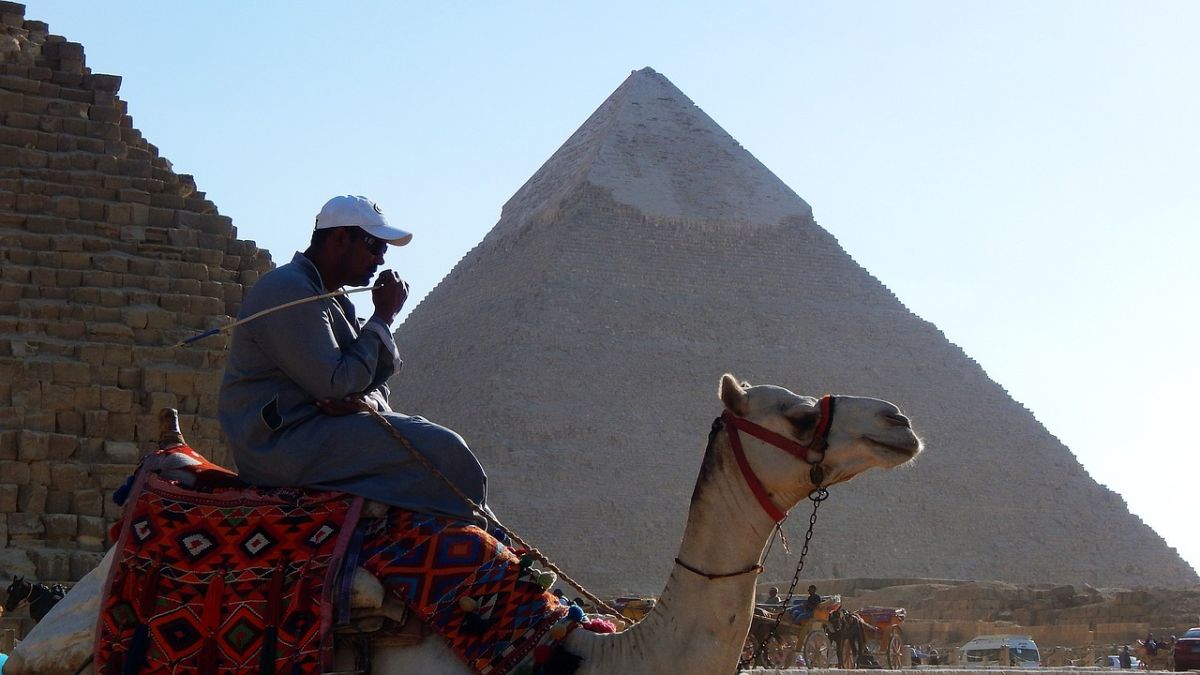
Modern research in Egyptology has greatly improved with the use of advanced technology. While traditional excavations are still important, researchers now use modern tools to learn more about ancient Egypt. Technologies such as satellite imaging help scientists locate hidden archaeological sites beneath the desert. In addition, 3D reconstruction allows experts to digitally recreate damaged temples, tombs, and monuments, giving historians a clearer view of how these structures once looked.
DNA analysis is another important scientific tool applied by researchers to examine ancient human remains, through which better deductions about the health, diet, and lifestyle of those people's long-past lives can be made. Such techniques further allow researchers to delve into areas of life in the early Egyptians that were hardly amenable to investigation, including family life, religious practices, and social organization.
Modern Egyptology has become an ensconced group of archaeology, history, chemistry, and other specialists working together to bring out a greater appreciation of ancient Egyptian civilization.
Explore Ancient Egypt with the Help of Guided Egypt Tours
Tourism does a wonderful job in imparting an in-depth understanding of the history of Egypt. Companies like New Travel Dynamics believe that Egypt's history has to be felt to be truly appreciated. Their tours are not just aimed at ticking off famous sites on tourists' lists but also helping them connect with the ancient culture as well as the heritage of Egypt.
You could walk by the Nile River, watch the Pyramids of Giza, or stand before the mighty Great Sphinx of Giza. Alongside, tourists would look into the splendid temples located in Luxor and Aswan that have been exquisitely facilitated by professional guides who speak about the stories related to these monuments.
It is through guided tours, storytelling, and educational workshops that travelers are able to link an understanding between Egypt’s past and Egypt’s present. All in all, the experiences help tourists take a meaningful journey of learning with a faceted, inscrutable world of history.
Future Discoveries in Egyptology Through Modern Technology
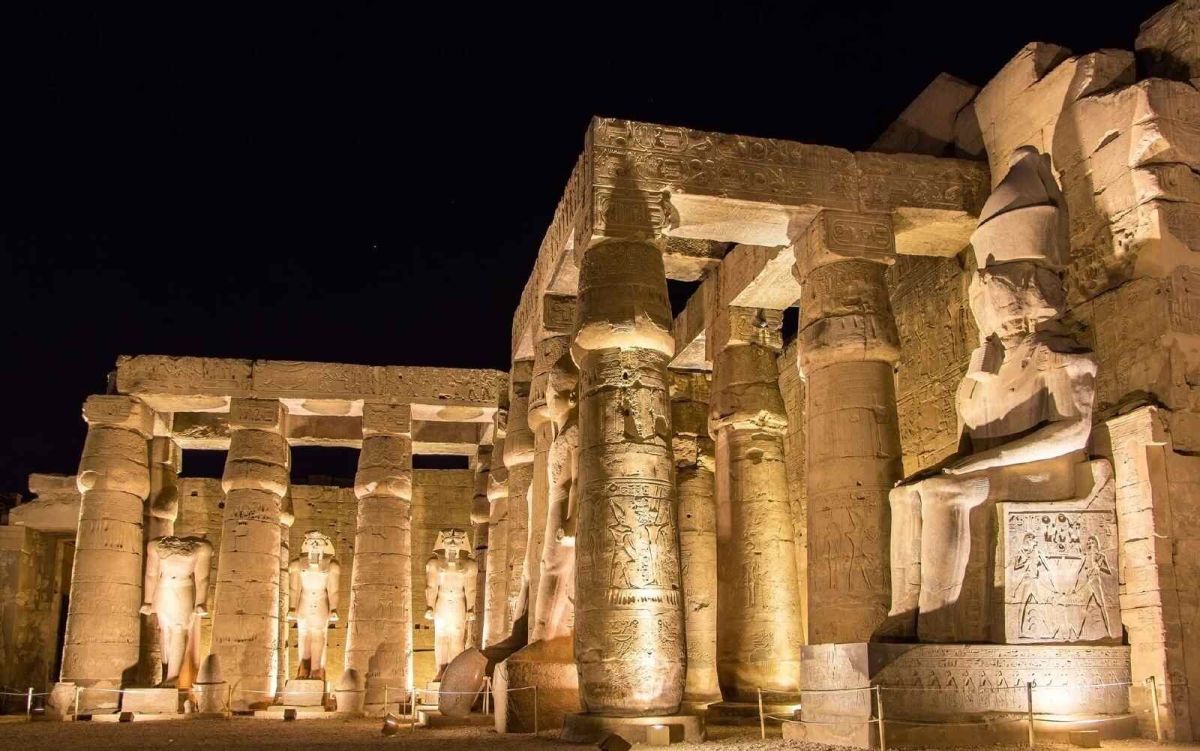
Modern technology and advanced methods of research empower scientists, archaeologists, and researchers to rethink the ancient Egyptian experience. It involves satellite imagery, digital mapping, and DNA analysis. Also, it looks for hidden locations that tell of the hows of ancient Egyptian life thousands of years ago. These recent discoveries help unravel clues on their ancient civilization; thus, they offer a few specific glimpses into various facets of their everyday existence, such as day-to-day living, culture, health, and religion.
However, organizations like Travel Dynamics in the News help carry that excitement to the traveller's benefit. These organisations offer educational excursions reaching back in time to organize insightful tours back to the period, roughly 5,500 years ago. From somewhere in that long history, they must have somehow thrown in a somewhat Egyptological effort. So, every trail should then also be viewed as an in-depth exposure of the historical context, full of curiosity, learning, and cultural discovery.



-webp.webp "Hilton")
-webp.webp "dusit")
-webp.webp "Marriott Hotels")
-webp.webp "Azimut Hotel")
-webp.webp "Golden Tulip")
-webp.webp "sheraton")
-webp.webp "westin hotel")
-webp.webp "Movenpick")