
 English
 Italy
Italy
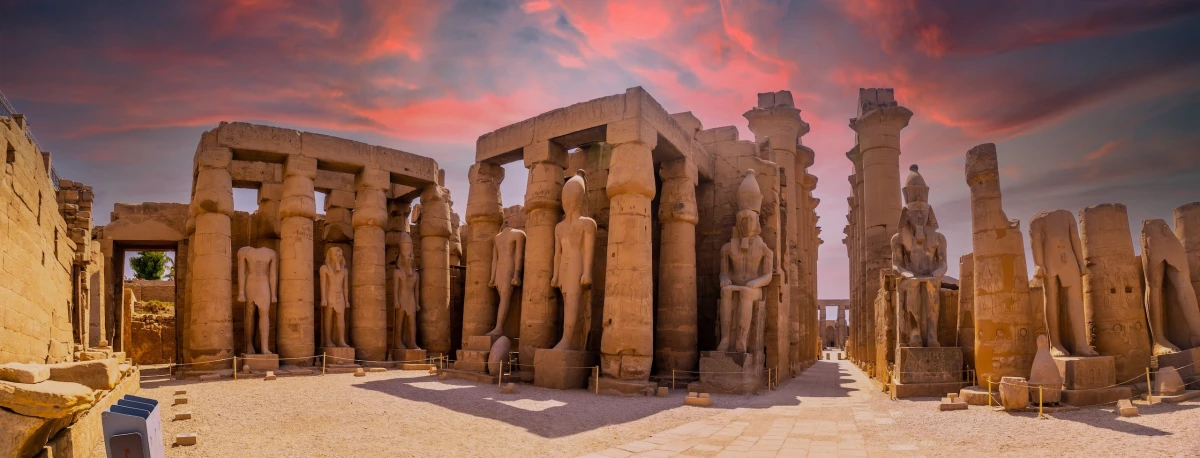
Egypt’s Most Iconic Historical Landmarks
Egypt is home to one of the oldest and most influential civilizations in human history, which developed into a major historical power. The country has maintained its historic sites, which serve as permanent symbols of innovative, religious, and artistic accomplishments for more than 3000 years. The historical sites of Egypt, which include its monumental pyramids, detailed temples, and ancient cities, show the ongoing heritage that first emerged with ancient Egypt and continued through subsequent cultures.
Egypt stands out because its historical sites maintain their original condition and display various types of architectural structures. The site allows visitors to see monuments that are older than 4000 years, together with Greco-Roman ruins, Coptic churches, and Islamic architectural masterpieces. The landmarks possess visual beauty, which links them to the fundamental beliefs and governing systems and cultural heritage of the country. Egypt serves as a premier destination that attracts history buffs and researchers, as well as international tourists.
Egypt’s Most Famous Ancient and Historical Sites
The Pyramids of Giza and the Great Sphinx
The Pyramids of Giza hold great importance among the historical sites situated in Egypt, for they represent one of the most recognizable historical aspects in the country. Constructed during the Old Kingdom period, these gigantic structures served as showcases of the Egyptians' engineering expertise in the construction of royal burial sites and survival over time with scant deterioration. The adjacent Great Sphinx proposes an enigmatic ambience while playing the important role of a guardian that preserves the site's Nabta Playa desert origin and winks at being one of Earth's best-known structures.
Luxor: The World’s Largest Open-Air Museum
People consider Luxor to be the most extensive outdoor museum in the world, which exists in Upper Egypt. The site contains ancient temples and tombs, which showcase the sacred religious customs and royal ceremonial practices of ancient Egyptian civilization. The main attractions of the site include
The Karnak Temple Complex comprises a gigantic temple that honors the god Amun and showcases its tall pillars and detailed hieroglyphic writing.
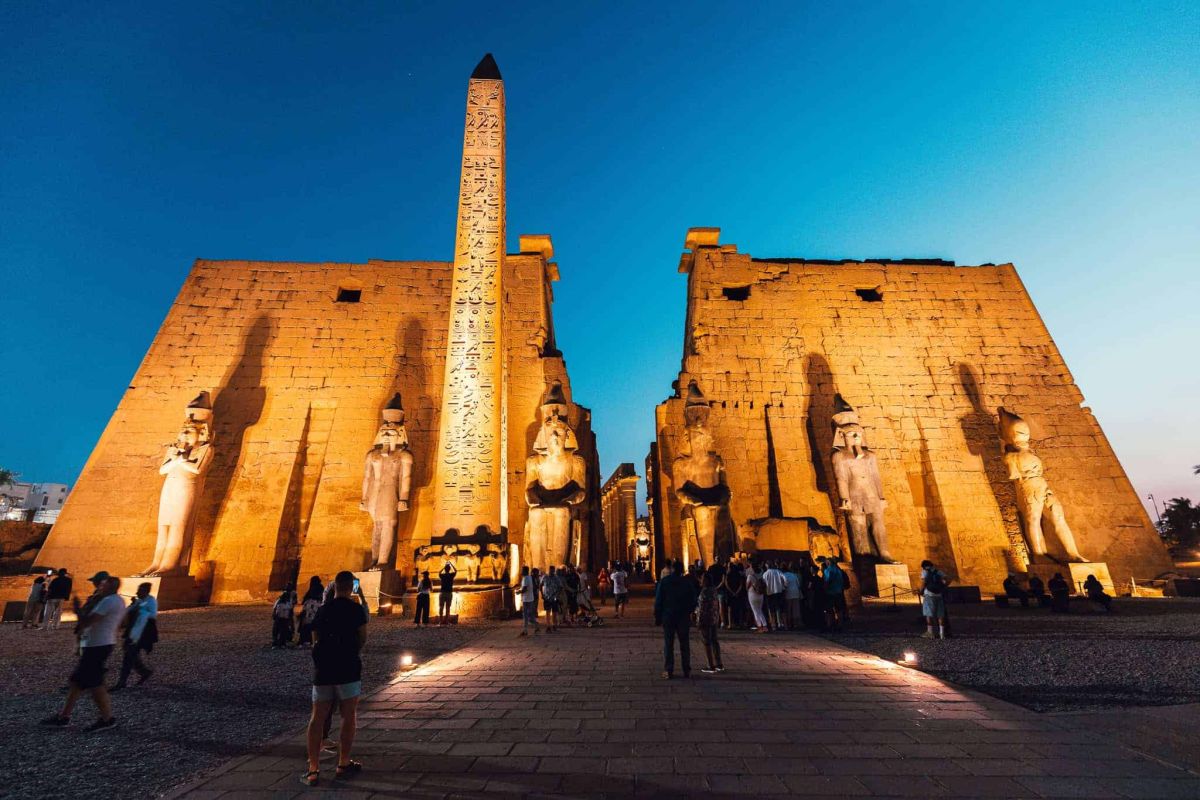
Luxor Temple serves as an excellent location for both religious worship and royal festivities.
The Valley of the Kings contains decorative burial sites which were excavated into hillside areas, and these sites offer essential information about ancient Egyptian afterlife beliefs.
Abu Simbel: Monumental Architecture in the South exists as proof of Egypt's architectural ambitions, which were developed during the country's history. The temple complex, which Ramses II built as a rock-carved structure, needed to be moved because of the Aswan High Dam flooding, but modern preservation techniques managed to protect this ancient site for future generations.
Greco-Roman and Islamic Landmarks Although the most famous period in Egypt remains Pharaonic, two additional periods were extended well beyond this, being of Greco-Roman and Islamic nature. The best example of these two periods in Alexandria would be the Catacombs of Kom El Shoqafa, wherein one may witness the amalgamation of cultures from the Egyptian, Greek, and Roman worlds in this burial site.
Together, Saladin's Citadel and Al-Azhar Mosque of Egypt represent the Islamic heritage of Egypt that reflects Islamic traditions regarding their Islamic heritage. These places represent very broad lines of Egyptian historical development, extending back to more than a thousand years and carrying on through the centuries.
The Historical and Cultural Importance of Egypt’s Landmark
Egypt’s historical landmarks are more than ancient structures; they are key records of human development. The sites use hieroglyphs, relief carvings, and architectural layouts to show how ancient Egyptians understood their universe, their governance systems, and their concept of the divine.
Temples were built in honor of gods and to reinforce the authority of the Pharaoh, who was regarded as the divine king. On the other hand, burial chambers and pyramids reflected an abiding belief in the afterlife, focusing on the care of the body and the journey of the soul after death. The impact of these ideas was felt on religious thought throughout the ancient domain.
However, landmarks from the later Roman, Christian, and Islamic periods diagram-and demonstrate-by Egypt has stood forth as a crossroad for civilizations. Each period has left its legacy as influences have blended with local tradition. Such continuity is what makes Egypt's cultural lineage so exceptionally rich and important to the world.
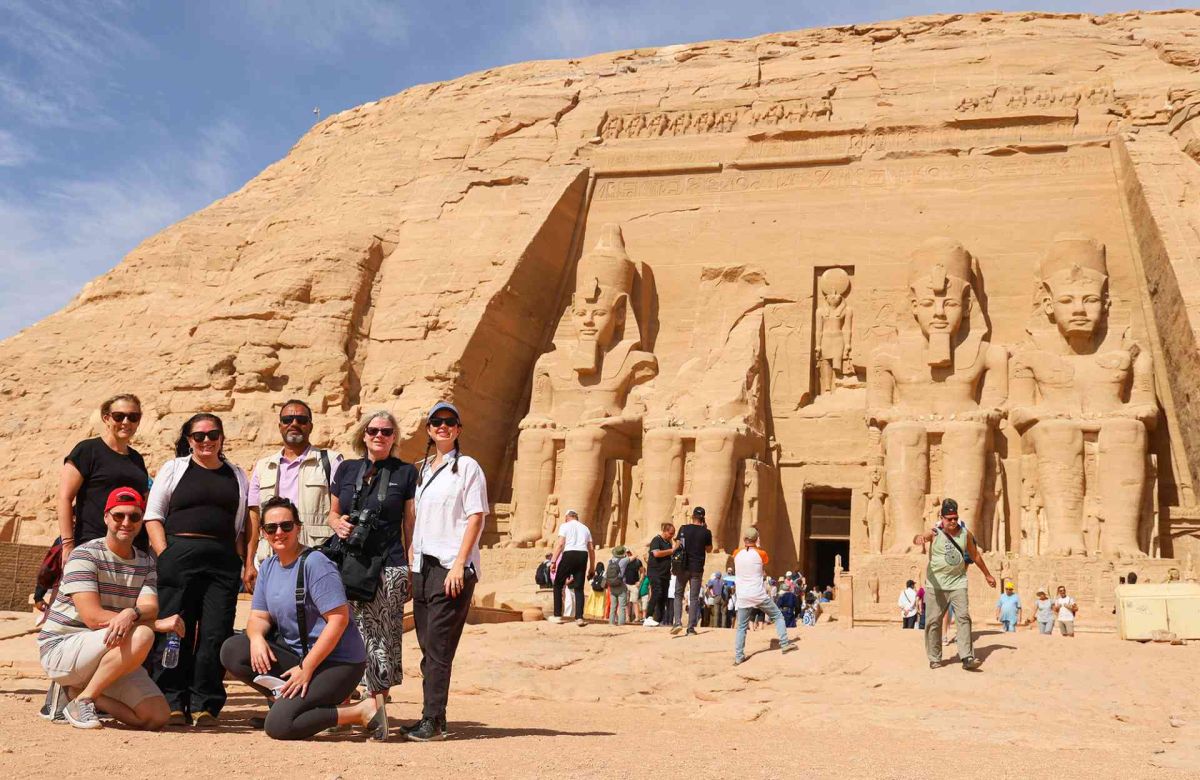
Today, these landmarks have a role in education and academic research. Archaeologists and historians keep finding further discoveries that change the modern world's perception of these old civilizations. Pressurizing for the conservation of these sites is not just important to Egypt; they are significant to world heritage in general.
Iconic Egyptian Landmarks and Their Role in Tourism
Tourism works in close association with Egypt's historical sites and is pivotal to the country's economy. Many visitors from around the world make their way to Egypt every year just to experience and see the ancient wonders for themselves. It is through these landmarks that the locals get a break, with limited business possibilities; it is also due to the presence of these monuments that the locals find employment.
For instance, historical tourism promotes cultural exchange between the nations while at the same time fostering international appreciation of Egypt's cultural heritage. Guided tours taken through museums and cultural readings/on-site activities allow visitors to learn a little bit of the history behind these sites and create an educational experience that really could never exist without the rare cultural immersion.
The recent years have seen people work harder to develop sustainable tourism methods that protect sites from environmental harm and visitor overcapacity. The combination of restoration work and better visitor facilities with digital experiences creates a system that allows people to access sites while protecting their historical value.
The Pyramids of Giza and Luxor temples, and historic Cairo, continue to establish Egypt's worldwide identity through their existence. The ancient sites serve as historical monuments that actively shape Egypt's current status and upcoming expansion.





-webp.webp "Hilton")
-webp.webp "dusit")
-webp.webp "Marriott Hotels")
-webp.webp "Azimut Hotel")
-webp.webp "Golden Tulip")
-webp.webp "sheraton")
-webp.webp "westin hotel")
-webp.webp "Movenpick")
