
Beyond the Pyramids: Did King Tut Actually Wear the World’s First Condom?
When we think of Ancient Egypt, images of massive stone temples and golden masks immediately come to mind. But beneath the grand scale of the Pharaohs lies a world of intimate secrets that are far more "human" than you might expect. As travelers flock to the Nile for the 2026 and 2027 seasons, one controversial question continues to trend: Did the Ancient Egyptians invent the first condom?
If you are planning a boutique getaway to Egypt, understanding these quirky historical layers will make your journey through the Valley of the Kings feel much more personal.
The Mystery of the Linen Sheath: Protection or Prestige?
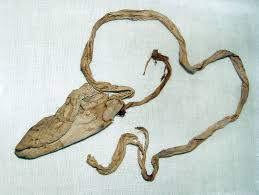
The legend began in 1922 when Howard Carter cracked open the tomb of King Tutankhamun. Among the chariots and jewelry, he found something unexpected: fine linen sheaths dyed in vibrant colors.
For decades, many claimed these were the world’s first contraceptive devices, dating back to 1350 BC. However, modern Egyptologists suggest a more "functional" twist:
-
The Parasite Barrier: The Nile was—and is—the lifeblood of Egypt, but in ancient times, it was also home to tropical parasites like Bilharzia. It is highly likely that men wore these linen sheaths as a protective barrier while swimming or working in the river.
-
The Status Symbol: In the Egyptian hierarchy, what you wore defined who you were. These sheaths weren't just for protection; they were fashion statements, with colors and textures indicating a man's rank in society.
Ancient Chemistry: 3,000 Years Ahead of Their Time
While the "linen condom" is still debated, the Egyptians' mastery of biochemistry is undisputed. Long before modern labs existed, the Kahun Medical Papyrus (c. 1800 BC) recorded sophisticated methods of family planning that still baffle scientists today.
They used Acacia gum—a natural substance that, when fermented, produces lactic acid. This is the exact same active ingredient found in many of today’s spermicidal jellies. By mixing this with honey and specialized minerals, they created a level of reproductive healthcare that wouldn't be seen again for millennia.
How to Experience "The Hidden Egypt" in 2026-2028
The future of travel isn't just about seeing; it’s about storytelling. For the modern traveler looking for an authentic connection to the past, the "mass-market" bus tours won't cut it.
If you want to dive deep into the daily lives of the Pharaohs—from their medical secrets to their private rituals—consider these elite experiences:
-
Private Dahabiya Nile Cruises: Steer clear of the giant cruise ships. A Dahabiya is a traditional wooden sailing boat that offers a "slow travel" experience. It allows you to stop at remote islands and smaller shrines where your private guide can share these intimate historical tales without the crowds.
-
Specialized Museum Tours: Request a guided visit focused on "Daily Life and Medicine." Seeing the actual textiles and medical instruments used thousands of years ago brings the history of the Nile to life in a way no textbook can.





-webp.webp "Hilton")
-webp.webp "dusit")
-webp.webp "Marriott Hotels")
-webp.webp "Azimut Hotel")
-webp.webp "Golden Tulip")
-webp.webp "sheraton")
-webp.webp "westin hotel")
-webp.webp "Movenpick")