



Complete Egypt Travel Tips for Beginners
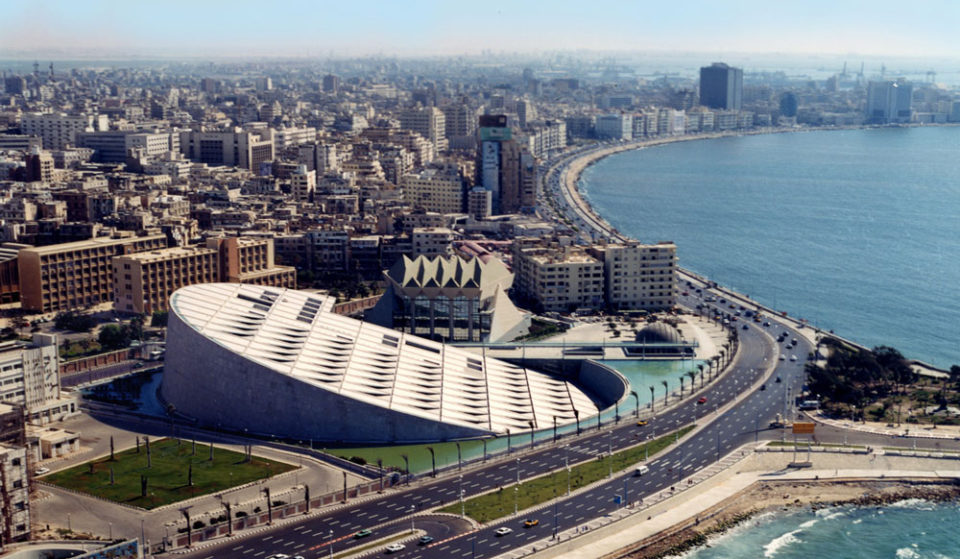
Egypt for a beginner can feel like two worlds at once: the ancient world with its monuments and museums, and the living everyday world with neighborhoods, markets, and city energy. The best way to enjoy both is to travel with the right mindset and a set of practical habits that keep you comfortable and confident.
This guide is written for first-time visitors who want complete tips, in a smooth blog style you can publish directly on your company website.
Get the right mindset: Egypt rewards curiosity, not rushing
A common beginner mistake is trying to “finish” Egypt quickly, like it’s a checklist. In reality, Egypt can be unpredictable in small ways—traffic may take longer, lines may be longer, and heat may change your pace. That’s normal.
Instead of chasing perfection, plan your highlights and leave room around them. When you give yourself a little flexibility, you’ll enjoy the atmosphere, the details, and the journey itself—more than just the final photo.
Choose the right cities and expect different rhythms
Egypt is not one single experience. Cairo and Giza often feel fast, urban, and busy—great for museums, iconic landmarks, and street life. Luxor and Aswan feel more historical and calmer, especially around the Nile.
If it’s your first trip, consider starting with one main region and adding the next one only if you have time to adapt. When you respect the pace differences, you’ll feel less tired and more in control.
Plan around heat: timing is part of your safety plan
Heat in Egypt isn’t just uncomfortable—it affects energy, focus, and decision-making. Outdoor activities can drain you faster than you expect, especially midday.
For outdoor sightseeing, try to go earlier in the morning or later in the afternoon. Midday is often better for museums, indoor visits, or a relaxing break. Use sun protection like sunscreen, a hat, and sunglasses. If you feel dizzy or unusually tired, take it seriously—stop, rest, and cool down.
Hydration is essential, not optional
Beginner travelers sometimes wait until they feel thirsty, but by then the body may already be struggling. A simple routine helps: drink water regularly during the day, especially when you walk a lot or spend time outdoors.
If you get tired quickly or your head feels heavy, hydration is usually the first thing to fix. Keep water with you and don’t treat it as a last-minute solution.
Transport planning: confirm your route and avoid last-minute confusion
Getting around is part of the adventure, but for safety and comfort, you need clarity. Before starting any journey, know where you’re going and what kind of ride you’re taking.
If you’re using a taxi or car service, confirm the destination clearly before you enter. If a route feels unusual, ask questions. If you feel uncomfortable or confused, it’s completely okay to switch your plan or choose a different option.
For day trips and major transfers, working with trusted providers (or through your hotel/tour operator) reduces unnecessary stress and helps your schedule run smoother.
Protect your valuables in crowds (this is where most issues happen)
Many issues travelers face aren’t dramatic—they’re distraction-related: phone theft, bag access, or wallet exposure. Crowds around popular attractions and markets increase the risk.
Keep your bag closed and secure. If you carry a crossbody bag, wear it in front in crowded areas. Be mindful when using your phone for maps or photos—stay aware of your surroundings instead of fully zoning out.
A calm and organized traveler is usually the safest traveler.
Communication is easier than you think (and respect makes it smoother)
You don’t need perfect Arabic to enjoy Egypt. But simple communication habits help a lot:
Speak clearly when asking for directions.
Confirm details calmly.
Avoid aggressive or rushed conversations.
If English isn’t always fluent, using polite and straightforward questions still gets good results. Even without language fluency, respectful interaction improves every part of the experience.
Follow site rules, especially in religious and cultural places
One of the best beginner safety tips is respecting local rules. Dress appropriately for the setting, and follow staff instructions if you’re asked to adjust clothing or behavior.
Photography rules can also vary. Some areas allow photos, others don’t, and religious spaces may require extra sensitivity. Treat rules as standard expectations, not personal challenges—this keeps your visit smooth and comfortable.
Eating and water: enjoy the food while staying smart
Egyptian food is one of the highlights of traveling. To enjoy it safely as a beginner, choose places that look clean and established, especially if you have a sensitive stomach.
Start gently with spicy dishes if you’re not sure how you’ll react. Pay attention to how your body feels during the first day or two. When it comes to water, follow the approach that works best for visitors in your situation—commonly sealed bottled



-webp.webp "Hilton")
-webp.webp "dusit")
-webp.webp "Marriott Hotels")
-webp.webp "Azimut Hotel")
-webp.webp "Golden Tulip")
-webp.webp "sheraton")
-webp.webp "westin hotel")
-webp.webp "Movenpick")
