
-webp.webp)
Colors of the Desert: The Artistic Soul of the Monastery of Apollo
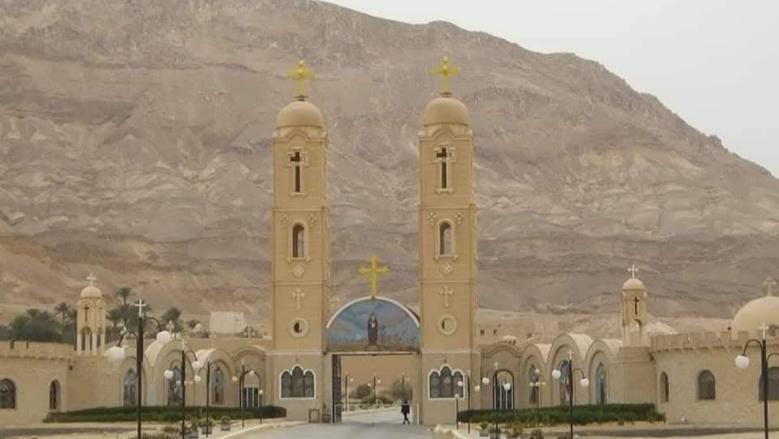
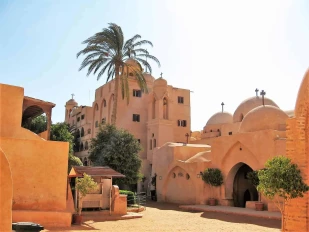
The current day depicts a silent stretch of desert and low vegetation which once served as a dynamic religious center 1400 years ago. Bawit served as the residence of Deir Anba Apollo (The Monastery of Saint Apollo) which functioned as a Christian church.
In 2026 our world exists completely in high-definition digital imaging through which we perceive thousands of colors before we complete our first cup of coffee. The 6th century considered color to be a precious holy material which existed in limited supply. Through the Monastery of Apollo entrance visitors leave behind desert's uniform brown color to discover a world that resembles "Technicolor" paradise. The location exists as a 100% human space because it demonstrates that people require beauty to survive in extreme environments. Bawit monks dedicated themselves to prayer while they created a visual display that represented their religious commitment through their entire space.
1. Apollo: The Hermit Who Started a City
The human story that began with one person establishes the foundation for every great institution. A man named Apollo retired to his cave in the 4th century to spend his life practicing silent meditation. His silent presence attracted many followers to him because he possessed the same influence as ancient "influencers" who existed before him.
The development of complex systems from Apollo. His reputation for gentleness and wisdom created a strong attraction for others. The initial hermit cells developed into a large monastic community which functioned as a "village." Bawit developed into a self-sufficient city that housed hundreds of monks and operated its own bakeries and wine presses and artisan workshops by the 6th and 7th centuries.
Apollo stayed connected to others through his warm personality. The records suggest he was a leader who valued the community's well-being. The artists created their work because they felt a sense of belonging which became evident through their art that showed warmth and inviting elements and communal spaces.
2. The "Sistine Chapel" of the Sands
The archaeological investigation at Bawit revealed more than walls because it uncovered a Coptic art "lost gallery" which had been hidden beneath the sand. The frescoes of Deir Anba Apollo rank as essential works which shaped the development of Christian religious art.
The Famous Chariot of Fire: The Coptic Museum in Cairo displays Bawit which includes its stunning artwork "Christ in Majesty." The artwork shows Christ on his chariot-throne which has wheels of fire and he sits surrounded by the four living creatures of the apocalypse.
The Soul in the Eyes: Bawit art achieves its "human" quality through its depiction of eyes. Coptic artists at the Monastery of Apollo employed a technique which created large eyes that appeared to contain deep emotions. The artists created "windows" which designers used to create artistic presentations of the saint's gaze which would interact with viewers. When a monk looked at a painting of a saint, he felt that the saint was looking back at him, offering companionship in the lonely desert night.
The earth provides all the colors which artists used to create their work through ochre reds and deep blues and warm yellows which they extracted from Egyptian minerals. The artwork existed as an actual component of the natural environment.
3. Architecture of the Spirit: More Than Just Stone
The Monastery of Apollo served as an exemplary demonstration of Late Antique architectural design. The complex contained two primary churches which were surrounded by multiple smaller chapels that featured elaborate stone sculpture work.
The Marriage of Stone and Paint: The Bawit monks preferred textured building designs which differed from the contemporary sleek and minimalist architectural style. The artists created floral and grapevine designs together with intricate geometric patterns on limestone surfaces which they later painted in bright colors.
The Layout of Life: The site reveals a 100% human need for organization. The design included specific spaces for communal dining and guest reception and quiet manuscript copying work. The monks spent their time in spiritual meditation but they maintained their connection to a structured and diligent monastic existence.
4. The "Louvre" of Middle Egypt: The Global Legacy
The Bawit tragedy occurred because most of its structures which were built to last ended up being deserted and disintegrated into decay. The "artistic soul" of the work survived its original form and distributed itself throughout different parts of the world.
The Louvre Connection: The Bawit architectural carvings and paintings which French archaeologists discovered during their early 20th-century work now exist as part of the collection at the Louvre Museum in Paris.
The Coptic Museum: The Bawit galleries in Cairo rank among the most visited attractions which enable Egyptians to experience a vibrant and imaginative representation of their historical heritage.
Cultural Resilience: The Bawit monastery remains as a ruin today which shows how the "Bawit Style" continued to shape Christian artistic expression for many centuries. The creative expressions of a community maintain their existence after all physical buildings have vanished.
5. Why the "Colors of the Desert" Matter in 2026
The Monastery of Apollo demonstrates through its deliberate practices which people today ignore because they focus on artificial things.
The Bawit monks believed that beauty existed as an essential requirement for spiritual life. They dedicated their efforts to painting all areas of their space while they created ornamental designs for every door frame to show their inner spiritual strength.
Humanity defines itself through its ability to create permanent traces that exist beyond its physical presence. People use handprints and blog posts to express their existence and appreciation of beautiful things. The Monastery of Apollo stands as one of history's most beautiful architectural "marks" that exist throughout time.
6. The Resurrection of Bawit
Deir Anba Apollo is the "Artistic Soul" of the desert because it challenges the stereotype that monastic life was dull or colorless. The situation was completely different. The display showed multiple colors together with geometric shapes and made an effort to display hidden elements through human creativity.
Our examination of Bawit ruins today goes beyond Coptic history because it shows how people throughout history have attempted to build their own "heaven on earth" The walls remained hidden beneath the sand for many years but the vision maintained its full brightness.
The Bawit fresco of 2026 shows that Apollo monks shared our human experience as they searched for color in their challenging environment. They discovered it through their artistic tools and their sculpting tools and their shared existence.


-webp.webp "Hilton")
-webp.webp "dusit")
-webp.webp "Marriott Hotels")
-webp.webp "Azimut Hotel")
-webp.webp "Golden Tulip")
-webp.webp "sheraton")
-webp.webp "westin hotel")
-webp.webp "Movenpick")