
-webp.webp)
budget vs luxury hotels in Egypt guide
Start With Your Travel Map, Not the Price Tag
Egypt stretches from Mediterranean breezes to Nubian sands, and your nightly base should mirror the trip you actually want. I always begin with a map, not a promo code. Time and energy are the real currencies—traffic, distances, and heat can drain both. Circle your must‑see anchors first, then choose where to sleep.
Cairo (Urban pulse): Museums, markets, Nile views, late‑night eats.
Giza (Iconic vistas): Pyramids and Sphinx at dawn; resort‑style pools and gardens.
Luxor (Ancient heart): Temples, tombs, felucca sunsets; calmer nights.
Aswan (Nubian warmth): Slower pace, island stays, serene Nile bends.
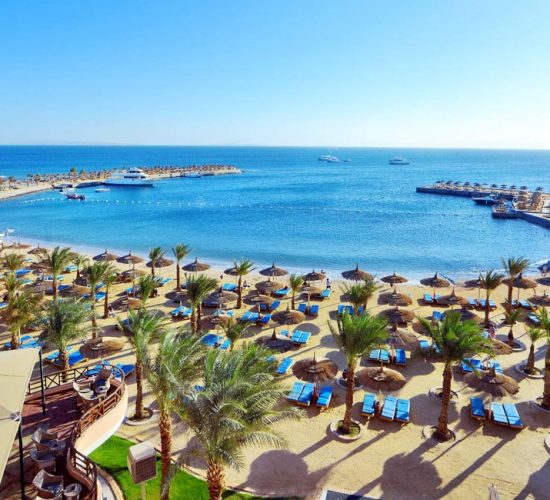
Red Sea (Hurghada/El Gouna/Marsa Alam/Sharm): Beaches, diving, all‑inclusive ease.
Alexandria (Mediterranean light): Corniche strolls, libraries, seafood.
Once I’ve picked one or two hubs, I weigh neighborhoods, then price. Paying a little more to be near what you love often saves hours—and headaches.
Define Your Style: Budget, Mid, or Luxury?
Before comparing rates, I translate my mood into a property type. Egypt’s range is generous, and value appears at every tier.
Budget smart picks: Clean, central, AC‑equipped rooms that trade frills for location and helpful staff. Perfect for short stays and explorers who spend days out.
Mid‑range sweet spot: Better finishes, fuller breakfasts, possibly a small gym or pool—ideal for most travelers.
Luxury icons: Riverfront or beachfront flagships with layered security, polished service, and spa‑level pools. Celebrate here or recover from a red‑eye.
Tip: If your heart says “luxury” but your wallet disagrees, split the stay—two nights luxe, the rest mid‑range.
What You Actually Get at Each Tier
Rooms and sleep quality: Look for double‑glazed windows, blackout curtains, and firm mattresses. In hotter months, reliable AC and steady hot water matter more than you expect after dusty days among ruins.
Service and staff: At every tier, the right team changes everything. I favor places where reception confirms rides, helps with SIM cards, and books licensed guides.
Food and breakfast: A day in Egypt starts better with ful medames, falafel, eggs to order, fruit, and coffee that won’t crush your spirit. If breakfast isn’t included, Egypt’s bakeries and cafes offer great value.
Facilities: Luxe tiers bring multiple restaurants, spas, and large pools; mid‑range might offer a compact gym or rooftop; budget wins with communal spaces and practical perks like laundry.
Safety, Security, and Peace of Mind
I scan for controlled entrances, visible security, in‑room safes, and well‑lit surroundings. Major properties coordinate with authorities, but I still lean hard on recent guest reviews. I look for patterns: how safe people felt at night, whether ride‑hailing pickups were smooth, and if the neighborhood vibe matched expectations.
City‑by‑City Clues (Where Budget vs. Luxury Shines)
Cairo: Downtown and Garden City are central and walkable; Zamalek is leafy and foodie‑friendly; Heliopolis/New Cairo suit airport access and conferences; Giza is for pyramid proximity and quieter evenings. Budget travelers do well near Downtown and Zamalek side streets; luxury seekers eye Nile‑fronts in Garden City and Zamalek.
Luxor: East Bank is convenient for restaurants and Luxor Temple; West Bank is calmer and closer to Valley of the Kings. Budget finds thrive near the East Bank corniche; luxury escapes cluster along quiet riverfronts and boutique West Bank hideaways.
Aswan: Island hotels (Elephantine, Kitchener) deliver tranquility; riverside corniche hotels win on convenience. Budget travelers like town‑side guesthouses; luxury fans choose island resorts.
Red Sea: In Hurghada and Sharm, decide between lively marinas/towns or secluded resort bays depending on nightlife vs. chill time. Budget favors town centers; luxury leans toward gated bays with private reefs.
Alexandria: Aim for Corniche access for sea breeze and easy tram/taxi links. Budget options tuck a block inland; luxury properties claim prime sea views.
The View Dilemma: Splurge or Save?
A Nile or sea‑facing room can tempt any traveler. I compromise: book the view for one special night (arrival or finale), then switch to a standard room. Or pick a property with a shared rooftop so sunrise coffee comes with a postcard scene—without paying for it nightly.
Transport and Friction: Cut the Drag, Add the Joy
Movement shapes your days. I favor stays that:
Sit within a short walk of cafes, ATMs, and a pharmacy.
Offer easy Uber/Careem pickup zones without one‑way street snags.
Sit near a metro stop (Cairo) or ferry/jetty (Aswan) when public transit helps.
Provide on‑site or partnered drivers for day trips (Giza, Saqqara, Dahshur; West Bank temples; Abu Simbel) with clear rates.
Landing late? Prearranged airport pickup is worth gold at midnight.
Wi‑Fi, Workspaces, and Power
If I’ll work on the road, I want stable wi‑fi, a real desk, and plenty of outlets. I also clock nearby co‑working or cafes. Adapters: Egypt uses Type C/F, 220V. Upscale hotels may include universal sockets, but I carry a compact adapter regardless.
Cleanliness and Maintenance: Read Between the Stars
Star counts won’t tell you how the AC sounds at 2 a.m. Recent photos and reviews will. I scan for bathroom grout, towel quality, elevator reliability, and water temperature swings. One complaint is anecdote; many is a trend. Boutique charm should never excuse musty odors or wobbly fixtures.
Budgeting Smart: What Your Money Buys (Egypt Edition)
Egypt’s value curve is traveler‑friendly. Prices shift by season and city, but here’s how I frame it:
Budget: Clean, central rooms with private baths and AC; few extras; great for active days.
Mid‑range: Better finishes, fuller breakfasts, perhaps a small gym or pool—often the sweet spot.
High‑end: River/sea views, multiple dining venues, spa‑level pools, and concierge polish—perfect for special occasions or decompression days.
I also watch for add‑ons (airport transfers, laundry by item, late checkout) and payment quirks (some places prefer cash or add card surcharges). If you’re tracking expenses, remember to escape the dollar sign as \$ in any digital notes.
When to Book vs. When to Wait
Peak demand: Winter, major holidays, and school breaks—book earlier, especially for Nile‑fronts and Red Sea resorts.
Shoulder seasons: Promos often appear a few weeks out.
Last‑minute: Egypt can surprise you with same‑week deals, but the best‑located rooms disappear first.
Flexible cancellation keeps you sane. I lock a good rate, then re‑check prices twice before arrival.
Special Cases: Families, Solo, Business
Families: Prioritize space, pools, kid‑friendly dining, and proximity to daytime sights for easy midday rests.
Solo travelers: Choose lively yet safe areas (Downtown Cairo, Zamalek; Luxor East Bank), 24/7 reception, and bright entrances.
Business: Reliable wi‑fi, quiet floors, meeting rooms, and reasonable commutes (Garden City, New Cairo, central Alexandria).
My Shortlist Ritual (Step by Step)
-
Pick two target hubs based on your must‑see list.
-
Filter by safety, wi‑fi, AC, breakfast, and cancellation policy.
-
Sort by recent traveler reviews; scan photos for maintenance clues.
-
Map distances to your daily anchors (sights, dinner streets, waterfronts).
-
Check room types and likely noise; message the property if you’re sensitive.
-
Compare rates across platforms and the hotel’s site; include taxes and breakfast.
-
Lock a flexible rate, then set reminders to re‑check prices.
Why Split Stays Work in Egypt
Egypt rewards variety. Start with a city base (Cairo or Alexandria), then switch to river time (Luxor/Aswan) or sea time (Red Sea). Mix budget and luxury to match the mood of each stop—culture‑heavy days near museums, slower resets by the water. Travel lighter by sending laundry mid‑trip and keeping a small “grab bag” for transfers.



-webp.webp "Hilton")
-webp.webp "dusit")
-webp.webp "Marriott Hotels")
-webp.webp "Azimut Hotel")
-webp.webp "Golden Tulip")
-webp.webp "sheraton")
-webp.webp "westin hotel")
-webp.webp "Movenpick")