

Secrets of the Pharaohs' Physicians: A Journey Through Ancient Egyptian Medicine
Secrets of the Pharaohs' Physicians: A Journey Through Ancient Egyptian Medicine
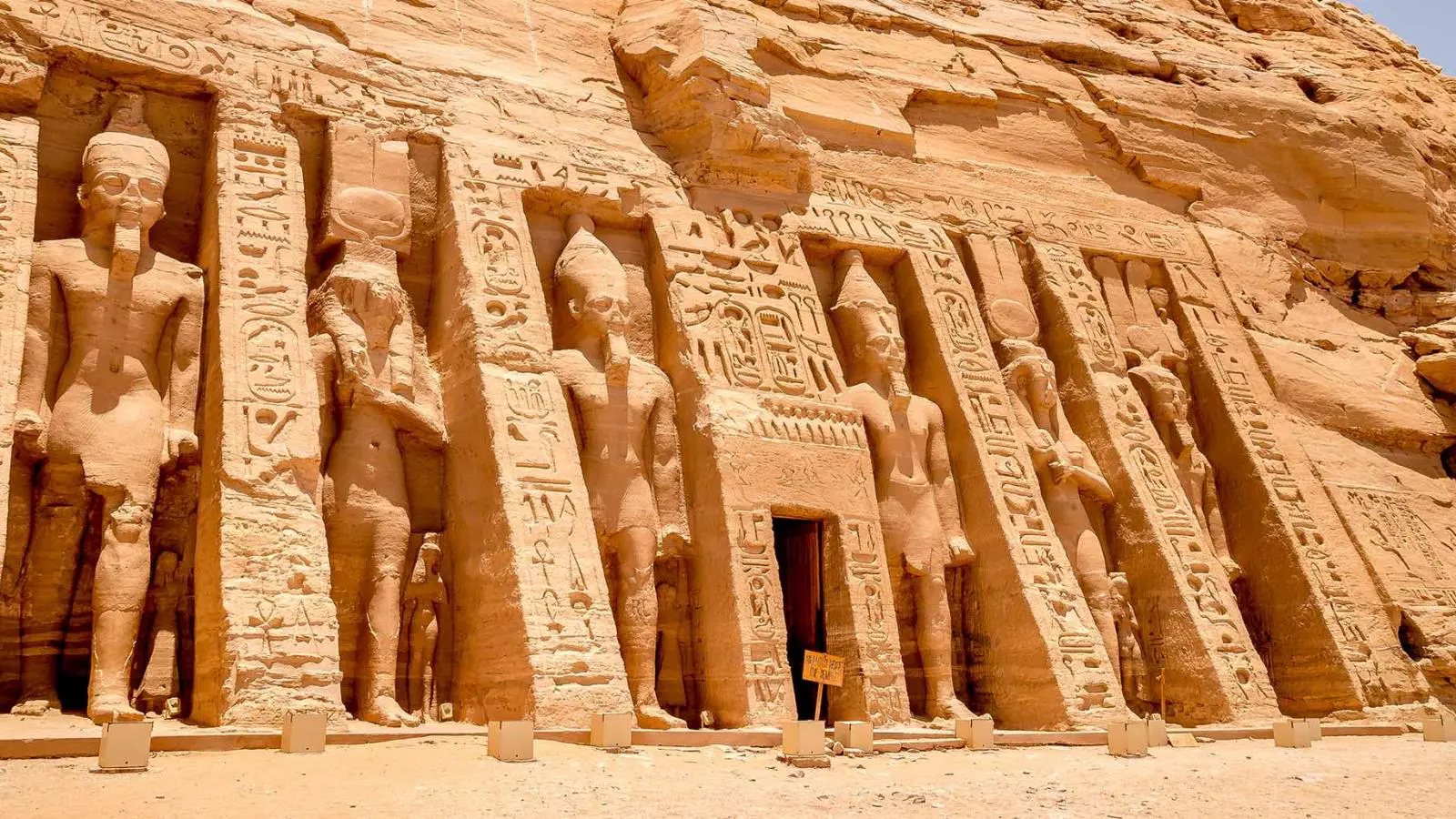
People associate Ancient Egypt with its massive Pyramids and the Tutankhamun golden mask. The royal splendor of the ancient civilization reveals a more human narrative which shows how this society developed medical science. Egyptian physicians known as "Swnw" practiced advanced surgical techniques and bone fracture treatment while they created accurate records of human body anatomy more than three thousand years before European medical schools opened their doors.
New Travel Dynamics believes that a private tour needs to provide more than just an itinerary which includes dates and names of places. The experience needs to reveal the thought processes of the people who constructed this world. The medical heritage of the Pharaohs becomes one of the most personal and unexpected ways for visitors to experience history during the 2026 season. The complete history of Nile doctors remains hidden but their remarkable accomplishments which they achieved through their medical work can still be found at present-day locations.
The First Specialists: A Civilization of Surgeons
Egyptian physicians were the most sought-after medical professionals in the Mediterranean during ancient times. Persian Kings and Greek philosophers came to the Nile Valley to receive their medical advice. Their early dedication to specialization created their distinct professional identity. Ancient Egyptians treated patients with dedicated medical staff who specialized in "the secrets of the eyes" and "the guardians of the belly."
Imhotep became the most recognized pioneer when he designed the Step Pyramid and later received recognition as the god of medicine. Their actual expertise became evident through their physical remnants. Archaeological excavations have uncovered mummies with perfectly set fractures that healed without infection, and even prosthetic limbs—such as the famous "Cairo Toe"—made of wood and leather that were both functional and aesthetically pleasing. The religious ceremonies functioned as an initial method for observing patients and learning about human anatomy, which remained unsurpassed until two thousand years later.
The Stone Textbook: The Surgical Reliefs of Kom Ombo
The Temple of Kom Ombo serves as the exclusive location where you can witness the beginning of contemporary surgical practices. Most visitors to this beautiful temple by the river come to listen about the crocodile god Sobek but they should search for the hidden treasure which lies behind the temple's back outer sanctuary wall.
Your New Travel Dynamics Egyptologist will guide you through the temple where you will find a wall relief that closely resembles a present-day operating room catalog. The stone contains detailed sculpted images which show surgical instruments including scalpels bone saws dental forceps catheters and birthing chairs. The reliefs function as a "stone textbook" which demonstrates Ptolemaic Egyptian medicine had reached advanced development through its capacity to perform intricate eye surgeries and treat complicated wounds. The tools used by Nile doctors 2000 years ago show only minor differences with the equipment we use in 2026.
The Papyrus Secrets: From Magic to Science
Egyptian medicine combined scientific knowledge with spiritual beliefs which created an intriguing medical system. The Pharaohs of Egypt considered illness to be a physical condition but they believed it represented a supernatural force or an internal imbalance. Their "prescriptions" required them to provide two types of treatments which included a medication and a protective spell.
The Edwin Smith Papyrus is considered the earliest surgical treatise because it dates back to almost 3500 years ago. This document presents its information through logical reasoning instead of using magical elements which other ancient texts did. The document presents 48 trauma cases which include head injuries and spinal fractures and it classifies these cases into three categories which are "treatable," "contestable," and "untreatable." The document marks the first time that the brain and the pulse concept were mentioned. The "House of Life" (Per-Ankh) functioned as the first medical research center because it served as the educational site for studying these texts which existed at major temple areas.
Ancient Pharmacy: The Power of the Nile Flora
The Nile River served as an extensive natural medicine cabinet for the ancient Egyptians who lived along its banks. Their healers possessed an incredible knowledge of botany, utilizing hundreds of plants, minerals, and animal products to create remedies. The use of honey for wound treatment functions as a natural antiseptic which modern science has proven effective because honey contains antibacterial properties. They used garlic and onions for heart health, willow bark (the precursor to modern aspirin) for pain relief, and even moldy bread to treat infections—thousands of years before Alexander Fleming "discovered" penicillin.
New Travel Dynamics provides private tours that take our guests to view the Nile's fertile agricultural lands where these plants continue to grow. A farmer who harvests the same herbs that treated Pharaohs in ancient times provides visitors with an experience that no textbook can match. The Nile's wisdom continues to flow despite the temple ruins that remain standing.
Frequently Asked Questions About Medical Tours
The Temple of Kom Ombo serves as an essential location to view surgical instruments. The Imhotep Museum at Saqqara displays interesting medical items and the Egyptian Museum in Cairo exhibits mummies which display signs of ancient surgical procedures and dental treatments.
The effectiveness of ancient Egyptian medicine can be evaluated through various methods. The ancient Egyptians had effective antiseptic methods through their use of honey and copper and they successfully performed bone setting procedures. The patients who underwent basic surgical procedures experienced better survival rates during that time period than those in Europe during the Middle Ages.
The 2026 tour can include "Medical History" as one of its themes. Our company New Travel Dynamics can develop a special "History of Science" tour which highlights both the architectural design of the Pyramids and the medical discoveries of Upper Egyptian temples.
Discover the Human Side of History
The beauty of Egyptian history remains because its essence never completely fades away. The beauty of Egyptian history exists because its record remains alive through our contemporary tools and our medical treatments and our knowledge of human anatomy. New Travel Dynamics provides you with more than just monument tours because we share with you the personal stories which connect to those sites.
Are you prepared to unveil the hidden knowledge that exists within the medical practices of ancient Egyptian Pharaohs? We will create an exclusive luxury expedition which takes your family to experience the deepest elements of ancient knowledge. Your exploration path begins from the surgical reliefs at Kom Ombo and leads into the silent Saqqara desert.





-webp.webp "Hilton")
-webp.webp "dusit")
-webp.webp "Marriott Hotels")
-webp.webp "Azimut Hotel")
-webp.webp "Golden Tulip")
-webp.webp "sheraton")
-webp.webp "westin hotel")
-webp.webp "Movenpick")