


The Pharaohs’ Masterpiece: Unlocking the Secrets of the Abydos King List
The Nile Valley contains an unvisited location which people need to explore beyond Luxor's active marketplaces and Karnak's massive temple gates. The location possesses an atmosphere which conveys historical weight together with wall carvings that appear freshly created from the past day. This is the sacred city of Osiris which is known as Abydos.
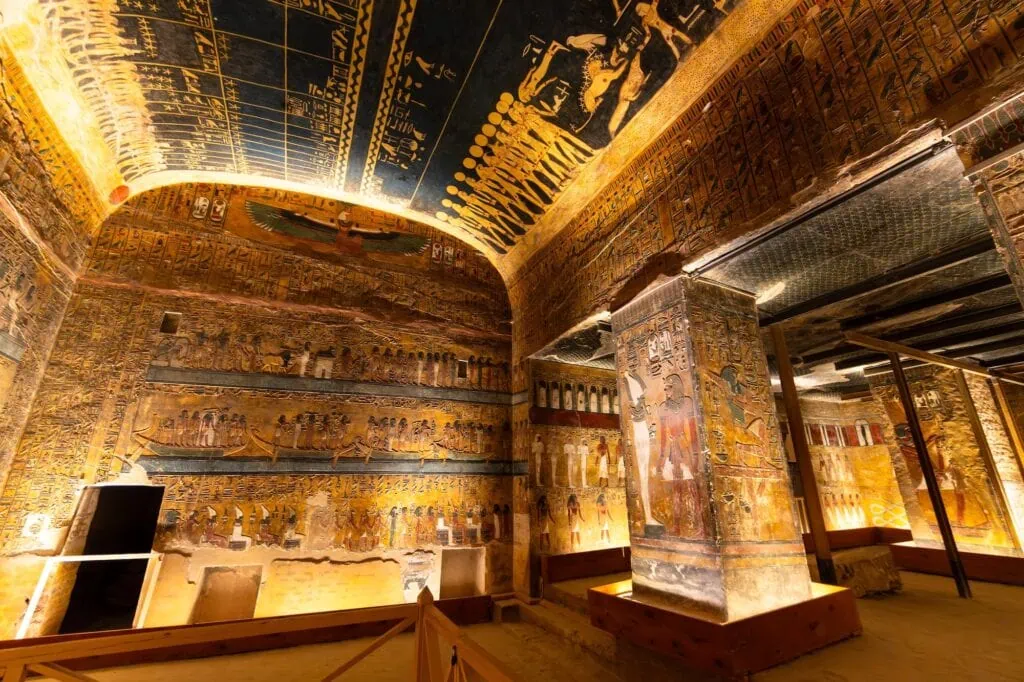
The Temple of Seti I includes a narrow passage which architects named the Gallery of the Ancestors. The hallway displays The Abydos King List which stands as one of the most vital ancient texts that scholars have ever carved into stone.
The document contains more than a name collection because it presents a historical narrative which describes both power structures and religious practices together with an ancient practice of historical record destruction. The Egyptians passed down their history through the Abydos King List because it contained their understanding of the past together with their reasons for labeling certain pharaohs as "forbidden."
Deep in the Heart of Abydos: A Corridor Through Time
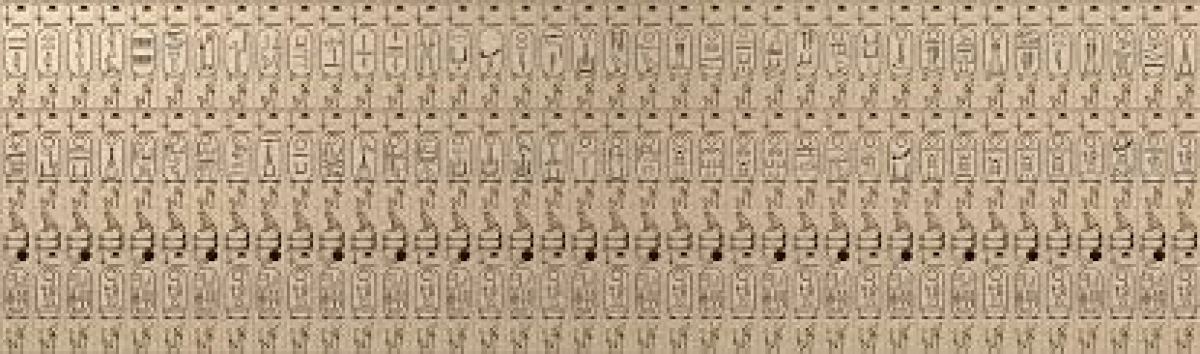
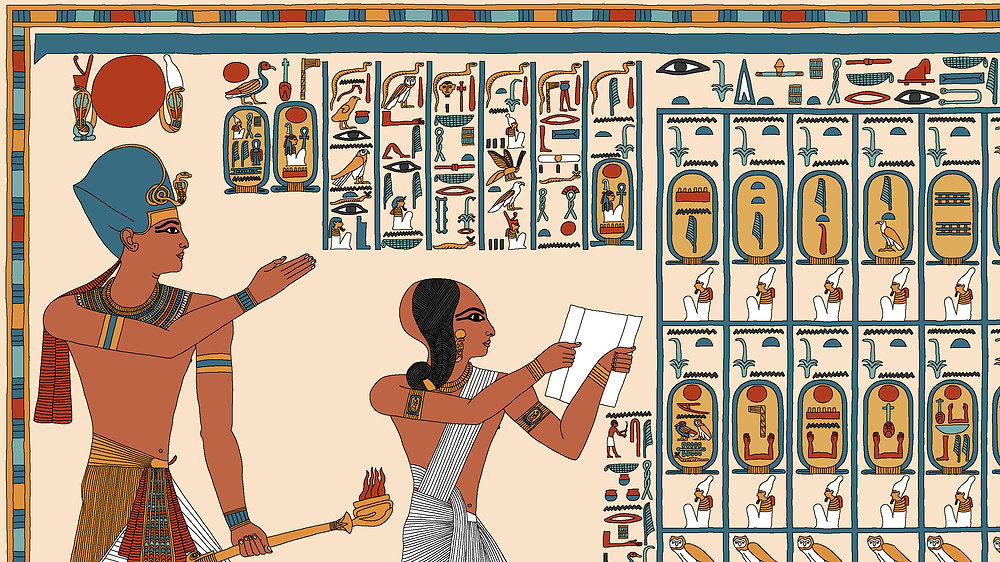
The Abydos King List is a massive relief carving which displays 76 cartouches that represent all the Egyptian pharaohs. The text begins with Menes who is considered the first unifier of Egypt and it ends with Seti I himself.
The scene creates a deep emotional impact. In the scene, Pharaoh Seti I stands next to his young son who will become Ramesses the Great. Seti holds a censer which produces burning incense while the young prince carries a papyrus scroll. The two of them together perform prayers while they honor the kings who ruled before them.
A traveler who stands in that corridor today will encounter a surreal experience. The quality of the "raised relief" carving which shows images standing out from a cut away background area reaches its highest level throughout all of Egypt. The hieroglyphs display such detailed sharpness that observers can see individual bird feathers and snake scales.
The Missing Pharaohs: Why Some Names Were Erased from History
This is the point where the story becomes most exciting. The Abydos King List reveals a surprising fact about Egyptian history because it shows that several well-known pharaohs do not appear in modern historical records.
The ancient Egyptians did not lose memory of these individuals. The ancient Egyptians erased these people from history because they wanted to do so. The ancient Egyptians believed that name remembrance enabled people to achieve eternal life, so their absence from this document served as the highest form of "spiritual death sentence."
The "Heretic" King: Akhenaten
You will not see Akhenaten displayed in the sacred sites of Abydos. The reason for this exists because Akhenaten brought complete chaos to the Egyptian civilization. He eliminated all traditional deities in Egypt because he wanted people to worship only the Aten sun disk. His reign received treatment as an embarrassing period of history by both the priests and subsequent pharaohs after his death. To Seti I, Akhenaten was a "heretic" who didn't deserve a place in the sacred lineage.
The Boy King: Tutankhamun
King Tut is not present which brings people to a surprising situation. The official records deleted all descendants of Tutankhamun who was the son or close relative of the heretic Akhenaten. Seti I viewed Tutankhamun as guilty because of his connection to the ancient gods which Tutankhamun had restored.
The Female Pharaoh: Hatshepsut
King Tut is not present which brings people to a surprising situation. The official records deleted all descendants of Tutankhamun who was the son or close relative of the heretic Akhenaten. Seti I viewed Tutankhamun as guilty because of his connection to the ancient gods which Tutankhamun had restored.
The Propaganda of the Gods: Why Seti I Built the List
The Pharaoh required considerable effort to create his list which included 76 deceased kings because it served as more than a historical record which functioned as effective political propaganda.
Seti I originated from a military family that lacked royal ancestry. His father Ramesses I served as a general who became the king after all previous royal bloodlines ended. Seti I had to demonstrate his status as a legitimate royal because he did not belong to a conventional royal family.
Seti I created the Abydos King List to demonstrate his position as the rightful heir to the Old Kingdom's most powerful kings. I brought back to life the names of my holy ancestors while I deleted the names of the evil ones. I am the true King of Egypt.
The list becomes a channel through which people can experience Seti's desperation for acceptance. The Pyramids' "Golden Age" served as his base for establishing his dynasty which he believed provided him direct access to the divine.
How to Read the Cartouches: A Guide for the Curious Traveler
The temple list should be treated as a collection of symbols which you should attempt to recognize through their individual patterns.
The first cartouche uses a particular structure to create its design. The symbols for "The King of Upper and Lower Egypt" (the sedge plant and the bee) followed by the Pharaoh's throne name.
The first cartouches on the top left mark the beginning of all human civilization. The second row displays all human history from 3000 BC until 1900 BC when you move your eyes from left to right. The bottom row displays the names of Seti I and his father, which connect the story to what people considered "the present day" at that time.
The document functions as an extensive directory of all ancient Egyptian historical figures, which 13th Century BCE experts used to test their knowledge.
Beyond the List: Why the Temple of Seti I is Egypt’s Most Mystical Site
The Temple of Abydos contains multiple attractions which stand as its principal academic attraction through the King List. The site is regarded as the most spiritual location in Egypt according to both Egyptian people and Egyptologists who study the country.
The Seven Chapels: Unlike most temples that are dedicated to one god, Abydos has seven separate sanctuaries for seven different deities (including Osiris, Isis, and Horus).
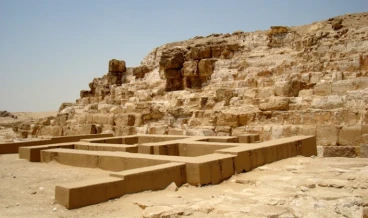
The Osireion: The main temple area contains this enormous building which uses enormous granite stones that appear to come from either Stonehenge or the Giza Pyramids. The structure sits in water and many people think it represents the mythological burial site of Osiris.
The "Technological" Mystery: The temple contains different sections which display carvings that some theorists (incorrectly but famously) claim resemble a helicopter and a submarine. The archaeologists who studied these as "palimpsests" (layered carvings) created an air of mystery which surrounds the site.
Planning Your Visit: The Journey to Abydos
Most visitors to Luxor stay in the city and do not travel to Abydos which lies to the north. This is a mistake! The temple area becomes less crowded because it takes more time to reach there from the main entrance. You can experience total silence in the Gallery of the Ancestors while hearing only your footsteps on the stone floor.
Pro-Tips for 2026-2028 Travelers:
Most travelers visit both Abydos and Dendera dedicated to the Temple of Hathor on their same-day trip. The two temples at this site stand as two of the best-preserved temples in the world even though visitors must endure a lengthy day.
The dim light within the King List corridor protects color preservation yet requires a camera capable of handling low light conditions.
The King List requires technical expertise which needs a guide who can read the names and explain missing pharaohs to deliver better experience.
New Travel Dynamics offers historical experiences which require intensive research and investigation. The Pyramids serve as an initial introduction to Egypt but its true wonders reside in the silent passageways of Abydos which connect us to ancient royal names that have endured for three thousand years.
We assist you with your pharaohs research needs whether you want to plan your ideal trip for the 2026 season or your upcoming 2027 and 2028 travel plans. You can discover our private tour services at dynamics-travel.com or you can contact us through our email to begin your exploration of ancient Egypt.
If you could have your name carved in a cartouche alongside the great pharaohs of Egypt, what would you want your legacy to be?




-webp.webp "Hilton")
-webp.webp "dusit")
-webp.webp "Marriott Hotels")
-webp.webp "Azimut Hotel")
-webp.webp "Golden Tulip")
-webp.webp "sheraton")
-webp.webp "westin hotel")
-webp.webp "Movenpick")
