


Kmt: Reclaiming the Soul of the Black Land
The story of Egypt does not begin with the Pyramids, nor does it start with the golden masks of boy-kings. It begins with the mud. Long before the world knew the word "Egypt"—a Greek construct—the people of the Nile valley looked down at the dark, silty earth beneath their feet and called their home Kmt (Kemet). To them, they were not just living in a country; they were the stewards of the Black Land.
Understanding the transition from a wandering prehistoric tribe to the world’s first superpower requires us to look at the soil. This wasn't just dirt. It was a rhythmic gift, a biological miracle that arrived every year with the pulse of the river.
The Philosophy of Contrast: Kmt vs. Deshret
The ancient Egyptian mind functioned through the lens of duality. To understand the Black Land, one had to respect its opposite: Deshret, the Red Land.
If you stand at the edge of the Nile valley today, you can still see the line where life ends and the void begins. On one side, the lush, dark green canopy of palms and the deep black earth; on the other, the unforgiving, scorching orange sands of the Sahara.
Kmt (The Black Land): It stood for order (Ma'at), fertility, life, and the regular cycles of the sun and river. It was the place where people lived.
Deshret (The Red Land): It stood for Isfet (chaos), the harsh sun, and the secrets of the afterlife. It was the land of the dead and the wall that kept invaders out.
This physical boundary shaped their entire religion. Life was a constant effort to keep the "Black" thriving while respecting the power of the "Red."
The Miracle of the Inundation
Every summer, a phenomenon occurred that the ancients viewed as divine intervention. The "Hapi" or the flooding of the Nile. Heavy rains in the Ethiopian highlands sent a surge of mineral-rich silt down the river. When the water receded, it left behind a layer of black sludge so fertile that you could practically watch seeds turn into stalks overnight.
This reliable miracle is what allowed the people of Kmt to move away from the constant struggle for survival. Because the Black Land provided a surplus of food, people had the freedom to become something more. They became architects, astronomers, poets, and engineers. The Pyramids were not built by slaves in a desert; they were built by farmers during the flooding season when the Black Land was underwater and their labor was free to serve the state.
More Than Just Soil: Kmt as a Cultural Identity
When the ancients referred to themselves as rmṯ n kmt (the people of the Black Land), they were expressing a profound sense of belonging. They didn't see themselves as separate from the environment. The blackness of the soil was synonymous with "perfection" and "completion."
Even their gods were painted with these colors. Osiris, the god of resurrection, was often depicted with black or green skin. This wasn't a literal biological description; it was a symbolic one. He was the god of the fertile earth—the one who dies like the grain in winter and is reborn in the spring. To be "Black" in the eyes of an ancient Egyptian was to be full of potential and life.
The Engineering of the Black Land
The people of Kmt were the world’s first master hydrologists. They didn't just wait for the water; they invited it. They dug canals that worked like the veins of a living thing by using a complicated system of "basin irrigation." These canals carried the Nile's life-blood to the farthest parts of the valley.
This required a level of social cooperation that hadn't been seen before in human history. You couldn't manage the Black Land alone. You needed your neighbor to open their dike at the right time. You needed a central authority to measure the height of the river using "Nilometers." This necessity for cooperation is exactly what gave birth to the first organized government on earth.
The Modern Echo: Why Kmt Still Matters In our world of concrete and digital screens, Kmt seems like a long-lost dream. But anyone who has stood in the quiet of a Luxor palm grove at dusk can still feel the connection.
The Black Land teaches us that civilization is a partnership with nature, not a fight against it. The ancients knew that if they mistreated the river or ignored the balance of the land, the "Red" would swallow the "Black." This is a lesson in sustainability that goes back five thousand years before the modern environmental movement.
A Legacy Carved in Stone Today, the huge temples and quiet statues that dot the landscape are all that is left of Kmt. But the true legacy isn't the stone; it’s the persistence of the people. The modern Egyptian farmer, the Fellah, still works that same black soil using methods that would be recognizable to a citizen of the Old Kingdom.
The "Black Land" is a testament to the idea that greatness is grown from the ground up. It tells the story of a group of people who saw beauty in the mud and made it last forever.
Important Things for Today's Traveler to Remember: To really get to know Egypt, go to the places where the green fields meet the sand. That line is where the history of Kmt was written.
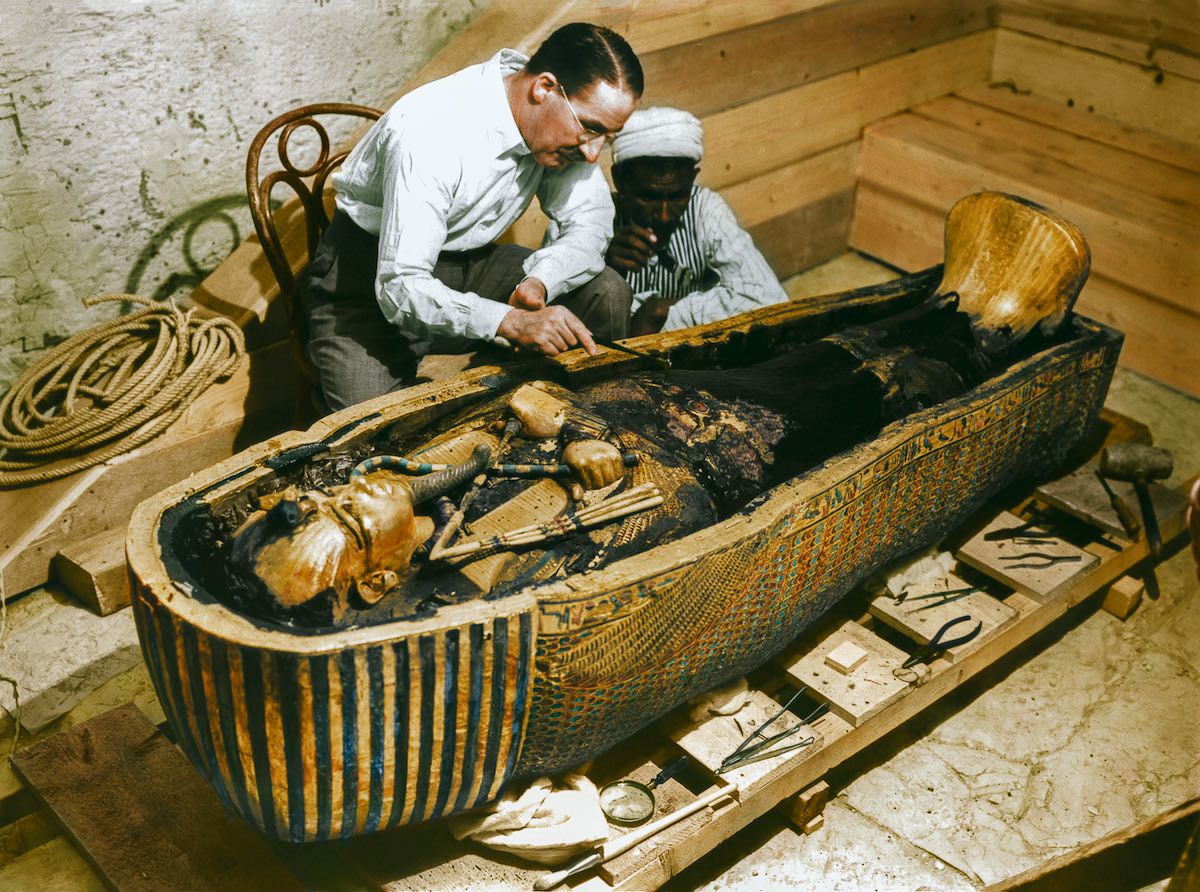
Look Beyond the Gold: While Tutankhamun’s gold is dazzling, look at the humble agricultural tools in the museums. They were the true engines of the empire.
Respect the River: The Nile is not just a body of water; it is the architect of the Black Land. Every canal and every field is a chapter in a 5,000-year-old story.
The Black Land is calling. It’s an invitation to step away from the noise of the 21st century and reconnect with a time when humans lived in perfect, rhythmic harmony with the earth beneath their feet.




-webp.webp "Hilton")
-webp.webp "dusit")
-webp.webp "Marriott Hotels")
-webp.webp "Azimut Hotel")
-webp.webp "Golden Tulip")
-webp.webp "sheraton")
-webp.webp "westin hotel")
-webp.webp "Movenpick")
