
The Perfect Sweet Spot: A Complete 10-Day Itinerary for Your First Trip to Egypt
.webp)
The Definitive Journey: The Best 10-Day Egypt Tour for American Travelers
For a lot of American travelers , planning a trip to Egypt is sort of the final dot on a lifelong dream, and you can almost feel it before you even book it. The mind-picture usually begins in childhood, right after school history stuff, museum displays, or some cinema scene: like standing in front of the enigmatic Great Sphinx, watching the golden dusk light spill over a towering temple column, or just seeing rural life drift past from the balcony of a boat gliding along the Nile.
Now, sure, a one-week trip can work , but sometimes it feels a bit squeezed, like you’re sprinting through postcards. A 10-day itinerary is usually the absolute sweet spot. It gives you enough breathing room to appreciate Cairo’s monumental architecture, step into Luxor’s vast tomb complexes, soak up Aswan’s genuine cultural warmth , and then enjoy a slower , restorative cruise down the world’s most historic river. Without, you know, turning into a fully exhausted traveler by day three. Let us take a look at a thorough , day-by-day plan for an ideal 10-day Egyptian adventure, made to help US passport holders get the most comfort , safety, and historical immersion possible.
Day 1: Arrival in Cairo and the Horizon of Giza
So your journey starts when your international flight finally touches down at Cairo International Airport (CAI). To make the start smooth, it’s a good idea to book a private airport meet-and-greet thing through your tour operator or hotel , because really it saves time and hassle. Then a local representative is there to find you right before the passport control lines, they help you get your thirty-dollar Visa on Arrival sticker from the official bank booths, and they guide you through customs kind of effortlessly… like, no big drama, just flow to your private car.
To get the most out of everything, try to stay in a hotel placed straight in the Giza area, with a clear, not blocked view over the plateau. Your first night, you can sit on an outdoor terrace, maybe with a cool drink or a cup of freshly made mint tea , and watch the sunset slide right behind the outline of the Great Pyramids. Honestly, that vibe is the best way to shake off jet lag and set a kind of magical mood for the coming days.
Day 2: The Sole Surviving Wonder and the Step Pyramid
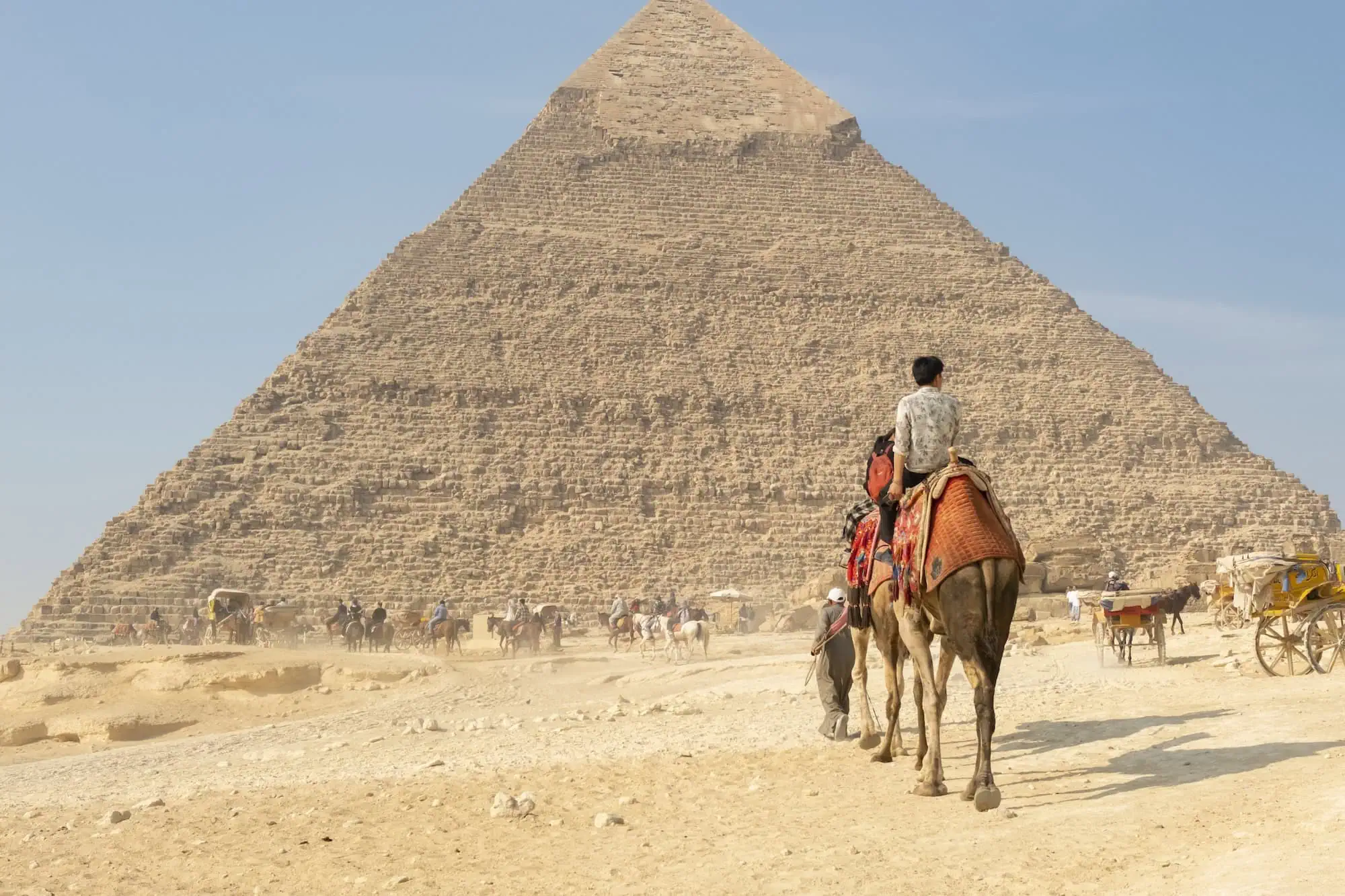
Wake up early, to catch the Giza Plateau before the midday sun kicks in and before the peak crowds roll in. Being at the foot of the Great Pyramid of Khufu, the only wonder that somehow survived from the ancient world, is a moment that just… rewrites your whole sense of human history, and the size of what people can actually build.
Then spend your morning wandering up toward the broad desert panorama, taking those classic photos with a neat line of camels, and later walk back down to face the Great Sphinx, right into those steady eyes.
By the afternoon, slip away from the busy city scene, and drive south toward Saqqara, that huge ancient necropolis from the Old Kingdom capital of Memphis. There, you’ll stand before the Step Pyramid of Djoser, recognized as the world’s oldest monumental stone structure, built under the guidance of the famed architect Imhotep. Wandering around the finely carved, beautifully kept noble tombs close by feels surprisingly personal, like a quiet glimpse into everyday ancient Egyptian life that still somehow matches the sheer magnificence of the pyramids.
Day 3: Royal Treasures and the Living Heart of Cairo
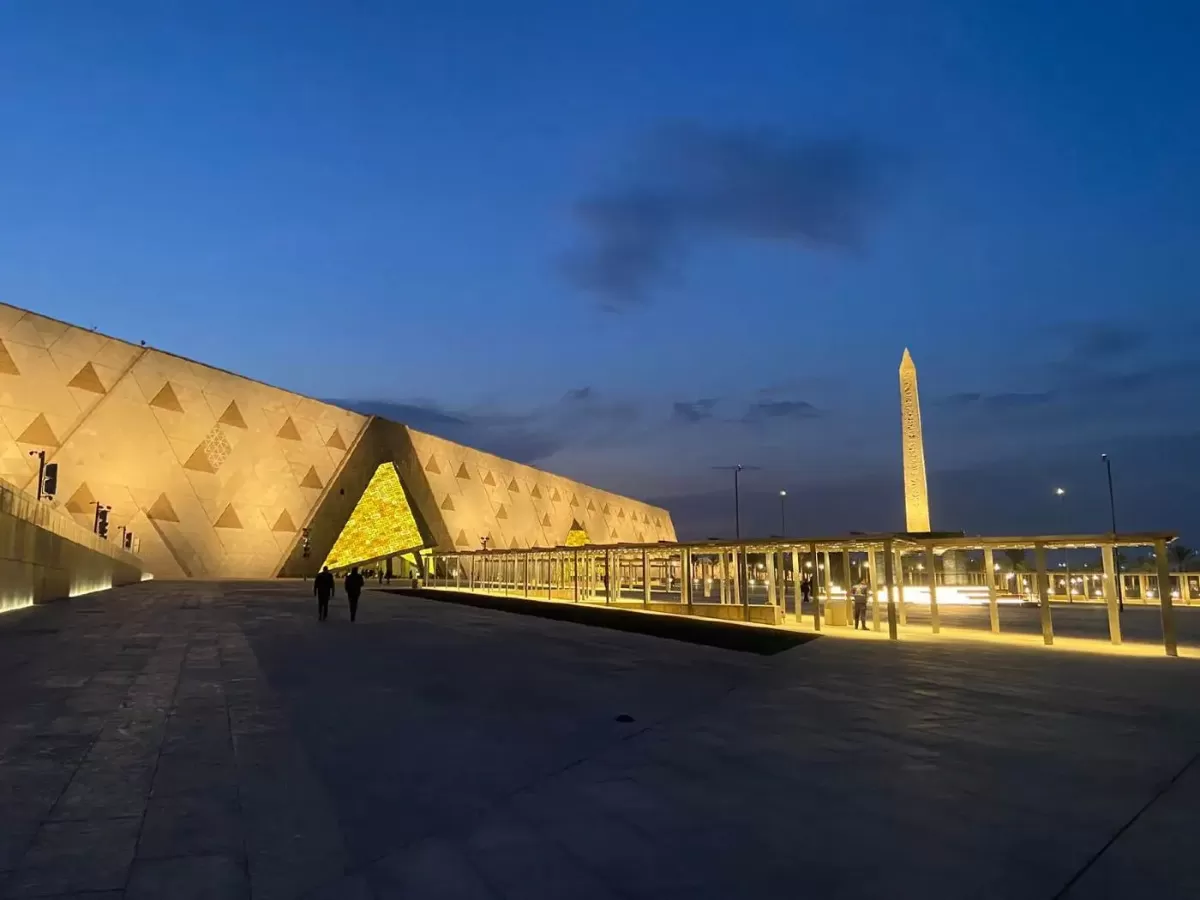
Dedicate your third day to stumbling around the rich museum collections and the historic streets in central Cairo, like really soaking it in. Start your morning at the Grand Egyptian Museum (GEM) or if schedules are a bit weird, the classic Egyptian Museum in Tahrir Square. It depends on what’s running right now. When you’re gazing at those iconic golden treasures, the elaborate sarcophagi, and all the everyday objects from ancient pharaohs, it somehow feels deeply profound, even if you don’t expect it.
For the afternoon, shift from that ancient vibe to the medieval pulse of the capital by going through Islamic Cairo. Do a walking tour along El Moez Street, which is one of the oldest roads in the Islamic world, and it’s surrounded by stunning architecture, historic mosques, and those hidden courtyards that pop out like little secrets.
Then end your afternoon getting pulled into the vibrant, sensory rich maze of Khan El Khalili bazaar. This market has been running since the 14th century, so it has a long memory. It’s basically the best spot to grab souvenirs, like local spices, handmade leather bags, silver jewelry, and intricate brass lamps. After that, try to find a small seat at the famous El Fishawy café, sip a warm cup of mint tea, and just watch the whole bustling world move by, without rushing anything.
Day 4: Flight to Luxor and the Kingdom of the Dead
Morning of day four, you take a quick, one-hour domestic hop from Cairo, down toward Luxor. Luxor, which was known in antiquity as Thebes, is often described as the world’s greatest open air museum , with an unbelievable bunching of ancient monuments all in one place. After you land, you cross over to the West Bank of the Nile, historically called the realm of the dead, where the pharaohs were placed for their rest.
Your first stop is the legendary Valley of the Kings. Tucked away deep in a rough limestone canyon, this place contains dozens of underground, rock cut tombs meant to safeguard the mummies and valuables of New Kingdom rulers, like Ramesses II and King Tutankhamun. And honestly, stepping in there is a complete shock, in a good way; since the tombs were kept sealed from sunlight and moisture for millennia, the vivid blues, yellows, and reds on the walls seem almost new, like someone touched them up yesterday.
Once you’ve wandered around the valley, you head to the striking, multi layered Mortuary Temple of Queen Hatshepsut, and you also squeeze in a short visit at the towering Colossi of Memnon before you check in to your luxury Nile cruise ship. It’s basically your floating boutique hotel for the next few nights, so after that everything feels a little easier.
Day 5: The Forests of Stone and Casting Off
Wake up early on day five, to watch the sunrise from the top deck of your cruise ship. Today is sort of dedicated to wandering around Luxor’s magnificent East Bank , you know the realm of the living, where ancient Egyptians pretty much worshipped their main deities.
Your very first stop is Karnak Temple, which is the largest sacred complex ever built by human hands. When you walk into the Great Hypostyle Hall—a massive forest of 134 colossal sandstone columns rising over 60 feet high—everything in you goes still. You’ll be left , like, completely breathless. Then take a slow ramble along the Avenue of Sphinxes, a recently restored 2-mile path that once linked Karnak straight to what you’ll reach later in the afternoon: Luxor Temple. Luxor Temple sits right in the middle of the modern city, and it’s especially spellbinding in the late afternoon, when the setting sun paints a golden shine over its giant statues of Ramesses II. By evening, your cruise ship will loosen its lines and start its calm journey south, drifting toward the town of Esna.
Day 6: Riverside Temples and the Rhythm of the Nile
By the time you wake up on day six, you’re kinda fully in it—like the slow quiet cadence of life along the Nile just sort of settles in. Today feels like a mix between easygoing cruise days and these very specific riverside stops, where everything is peaceful, but also oddly alive.
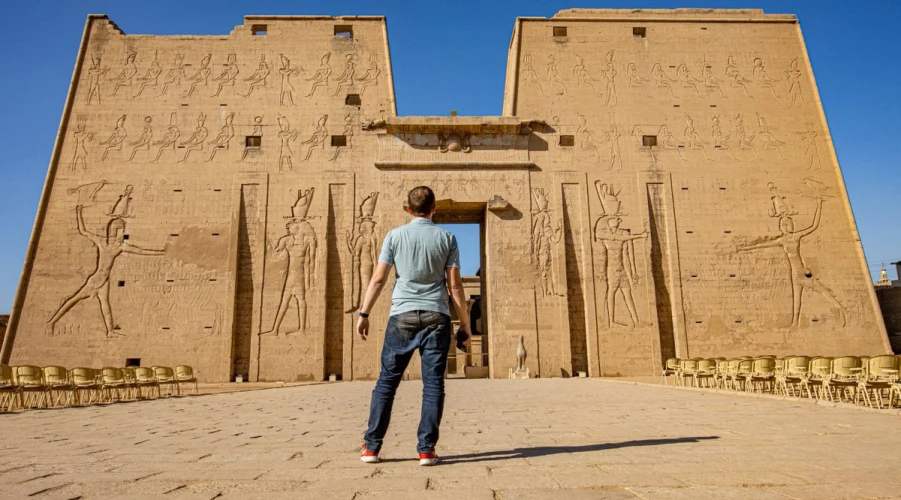
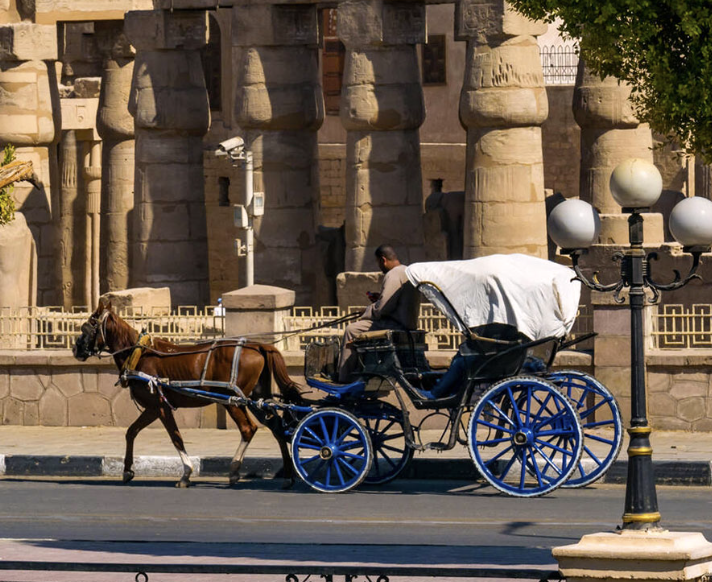
Your ship will make its dock in the morning in Edfu, and you’ll climb into a traditional horse-drawn carriage that winds through the busy streets. From there you go see the Temple of Edfu, it’s dedicated to the falcon god Horus. It was built during the Ptolemaic period, and people say it’s the most perfectly preserved temple in all of Egypt, with a still standing roof that keeps out the harsh desert sun, so inside you get this dramatic cooler shade over the hieroglyphic corridors, kind of like the light is quietly held back.
Then you go back to the ship for a huge lunch buffet , after that you spend the afternoon just chilling by the pool up on the sun deck. You watch the countryside routine drift by, slow as anything, along the riverbanks. Later in the day, the ship docks right at the doorstep of the Temple of Kom Ombo, which is special because it’s a rare double-temple, laid out symmetrically on a scenic bend. One side is for Sobek the crocodile god , and the other is for Horus the falcon god. And don’t skip the Crocodile Museum next door, it holds dozens of ancient, mummified Nile crocodiles that were found nearby, it feels very strange and interesting at the same time.
Day 7: The Romantic Island of Aswan
By morning seven, your cruise ship is set to reach its last stop: Aswan. A striking southern city where the golden desert ridges slide straight down into the deep, crystal blue waters of the Nile, with a scattering of smooth black granite boulders, and white-sailed felucca boats floating around like they belong there.
For your morning outing you’ll take a motorized water taxi over to the Temple of Philae, which is dedicated to the goddess Isis. The whole place was saved from the rising levels of Lake Nasser thanks to a massive UNESCO rescue effort, and honestly it’s often described as one of those most romantic, and most visually gorgeous sites in the entire nation, not just around Aswan.
Then in the afternoon, feel that lively, warm hospitality of the south by going on a boat ride to a traditional Nubian Village. These homes are painted in bright blues, yellow notes, and pink tones, so they look almost unreal at first glance. There you can learn first hand about the Nubian culture, their language, and their crafts, sip local hibiscus tea, and see a totally other side of Egyptian life, one that feels calmer, and somehow more personal.
Day 8: The Colossi of Abu Simbel
This day has what many American travelers call, without any exaggeration, the absolute highlight of their entire tour: kind of a pilgrimage to Abu Simbel. It’s tucked deep in the Nubian desert, right near the southern border of Egypt, and getting there is pretty straightforward. You can take a short, convenient 45-minute domestic flight from Aswan, or if you prefer the slower, more dramatic vibe, it’s about a 3-hour private ride by road across the open Sahara.
The twin temples of Ramesses II and his beloved queen Nefertari are carved straight into the face of a huge sandstone mountain cliff. The main temple entrance is flanked by four colossal statues of Ramesses, each one about 65 feet tall, seated on his throne and staring out across Lake Nasser, with real, absolute majesty.
Like Philae, this whole mountain complex was carefully cut into pieces and lifted 200 feet upward in the 1960s so it wouldn’t be swallowed by flooding. Once you’ve stood there, slightly stunned, in front of these desert giants, head back to Aswan in the afternoon. Then you board a domestic flight back to Cairo for your last night in the capital.
Day 9: Alexandria – The Pearl of the Mediterranean
On your second to last day take a really nice day trip from Cairo northward to Alexandria, that historic Greco-Roman capital of Egypt, founded by Alexander the Great. The drive takes around two and a half hours, straight through the fertile Nile Delta.
Alexandria feels kinda different, and in a way more refreshing than Cairo, it has that open air Mediterranean shoreline and layers of history that sort of stack up over time. Spend the whole day roaming the mysterious underground Catacombs of Kom El Shoqafa, one of those famous wonders people still mention from the Middle Ages, it mixes Egyptian ,Greek, and Roman artistic touches in a way that’s hard to ignore.
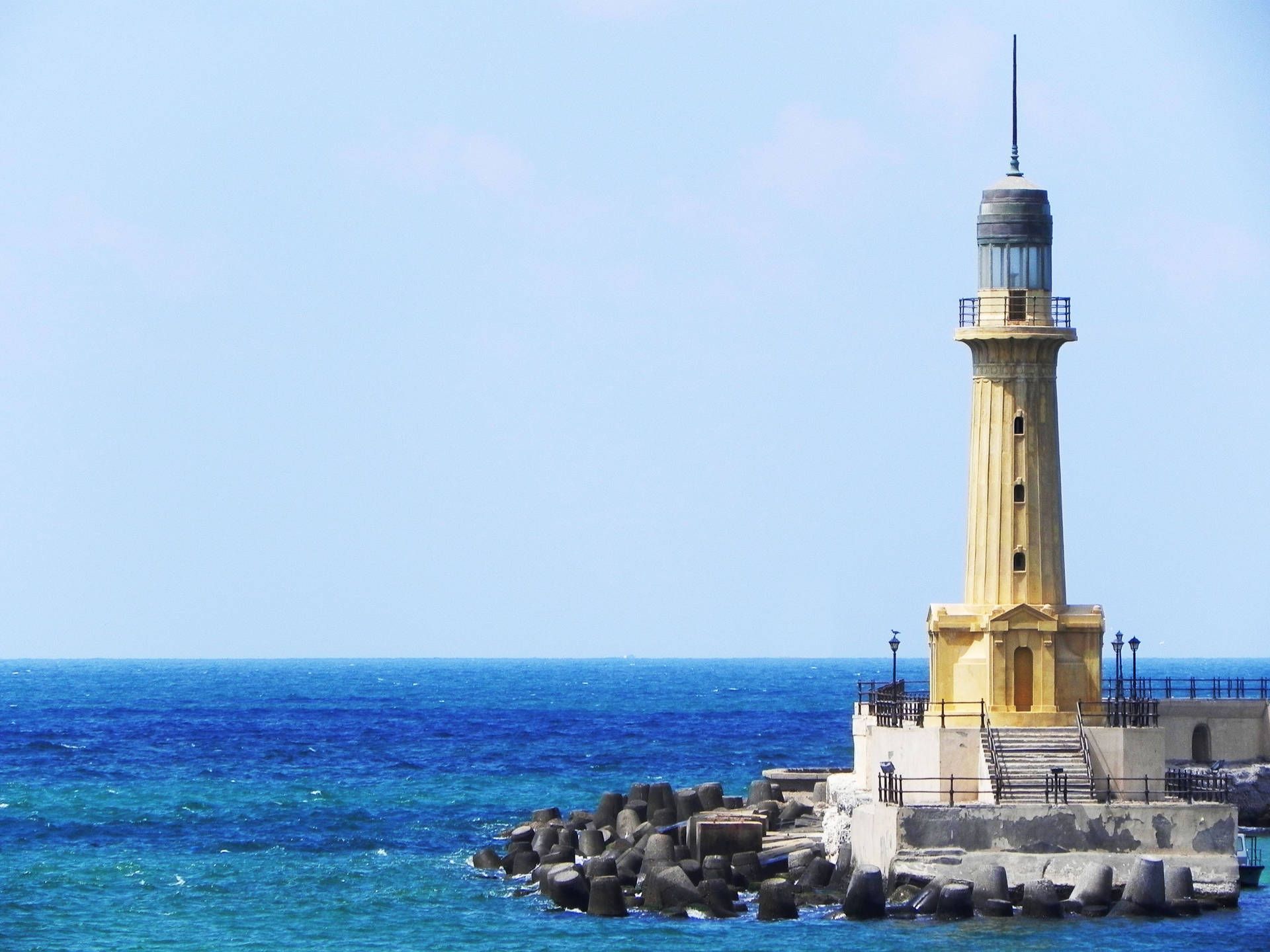
Then go visit the iconic Citadel of Qaitbay, the 15th century fortress built right above the remains of the legendary Pharos Lighthouse and after that, step into the gorgeous Bibliotheca Alexandrina, the modern tribute to the ancient Great Library of Alexandria. In the evening, head back to Cairo for a special farewell dinner with views over the city.
Day 10: Final Farewells and Departure
After you’ve had that last breakfast at your hotel, your own private driver will escort you back toward Cairo International Airport for your international flight home. When you check in for your trip across the Atlantic, you’ll leave the desert sands behind but you still take along a whole lifetime of memories, real cultural links , and a deep gratitude for the timeless magic—yeah, the kind the pharaohs always seem to hold.




-webp.webp "Hilton")
-webp.webp "dusit")
-webp.webp "Marriott Hotels")
-webp.webp "Azimut Hotel")
-webp.webp "Golden Tulip")
-webp.webp "sheraton")
-webp.webp "westin hotel")
-webp.webp "Movenpick")