


The City of the Dead: A Journey Through Cairo’s Living Memory
.webp)
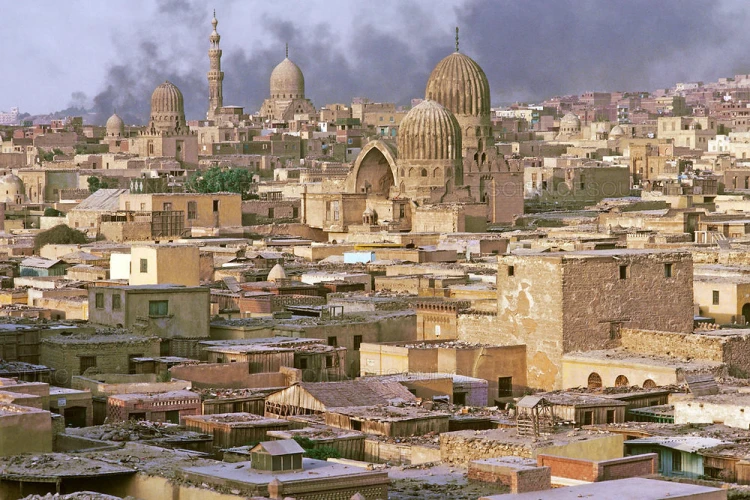
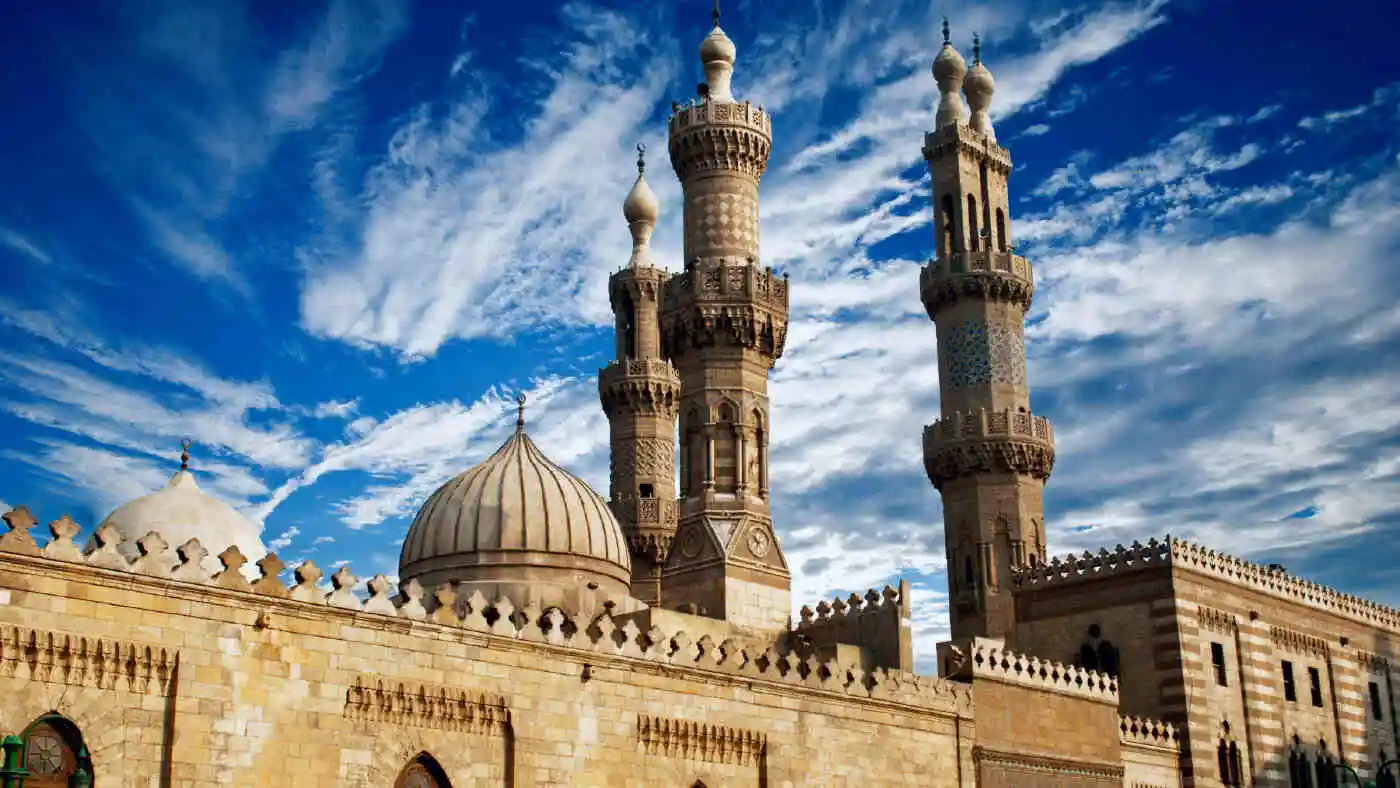
While Cairo is often defined by its restless energy, the City of the Dead stands as a silent sentinel at the foot of the Moqattam Hills. Stretching back over a millennium, this vast necropolis is a "city within a city," housing some of the finest Islamic architecture in existence alongside a vibrant community that keeps the past alive.
1. The Foundations: From Fustat to the Fatimids
The story began in 642 AD with the founding of Fustat, the first Islamic capital of Egypt. The early Muslim settlers chose the desert plain outside the city walls as their burial ground. As Cairo expanded through the Abbasid, Tulunid, and Fatimid eras, the necropolis grew with it, becoming a sacred space where the line between the city of the living and the city of the silent began to blur.
2. The Golden Age of the Mamluks
If you look at the skyline of the City of the Dead today, the magnificent domes and soaring minarets you see are largely the legacy of the Mamluk Sultans (1250–1517).
For the Mamluks, the necropolis was a place of prestige. They didn't just build tombs; they built massive funerary complexes that included:
-
Mosques and Madrasas for prayer and education.
-
Sufi Khanqahs (monasteries) for spiritual retreat.
-
Sabil-Kuttabs to provide free water and primary schooling.
The Complex of Sultan Qaitbay is the crown jewel of this era. Its intricately carved stone dome is so iconic that it is featured on the Egyptian one-pound note.
3. The Philosophy of "Living with the Dead"
What makes Cairo’s City of the Dead unique is the long-standing tradition of residency. Historically, noble families built "Houshes"—walled courtyards with rooms for visitors—to stay in during religious festivals and holidays.
Over centuries, and especially during the housing shortages of the 20th century, these spaces became permanent homes. Today, craftsmen, gardeners, and families live amongst the shrines, creating a unique social fabric where children play in courtyards that have seen a thousand years of history.
4. Architectural Treasures to Discover
A walk through the Northern and Southern Cemeteries reveals hidden gems at every turn:
-
The Mausoleum of Imam al-Shafi'i: Topped by the largest wooden dome in Egypt, it is a spiritual hub for pilgrims.
-
The Complex of Sultan Barquq: A fortress-like structure with twin minarets that dominates the Northern Cemetery.
-
Hosh al-Basha: The opulent, marble-carved resting place of the Muhammad Ali dynasty, showcasing grand Ottoman-era aesthetics.
Why It Matters Today
The City of the Dead is more than a relic; it is a testament to Egypt’s resilience and its ability to integrate the ancient into the modern. For travelers, it offers a quiet, contemplative alternative to the crowded streets of Downtown Cairo—a place where every stone tells a story of power, faith, and survival.
Traveler’s Tip: To truly appreciate the complex history and avoid getting lost in the winding alleys, consider visiting with a guide who specializes in Islamic art and history.
Are you more interested in the architectural details of the Mamluk era or the unique social life of the people living there today?



-webp.webp "Hilton")
-webp.webp "dusit")
-webp.webp "Marriott Hotels")
-webp.webp "Azimut Hotel")
-webp.webp "Golden Tulip")
-webp.webp "sheraton")
-webp.webp "westin hotel")
-webp.webp "Movenpick")
