
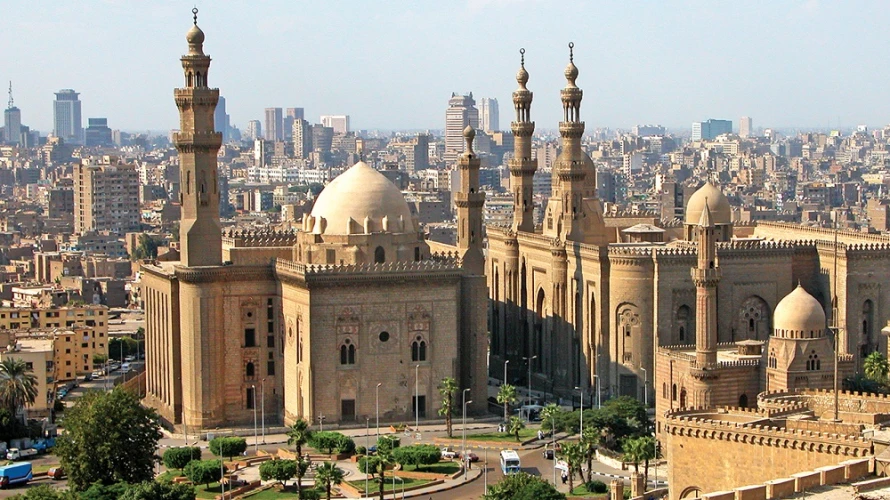
Sikat Birjwan: A Walk Through the Secret Veins of Fatimid Cairo
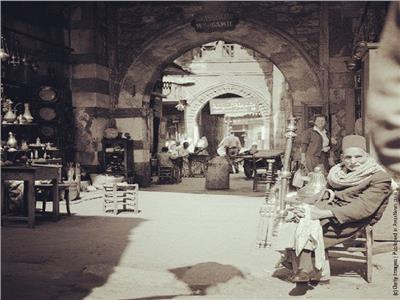
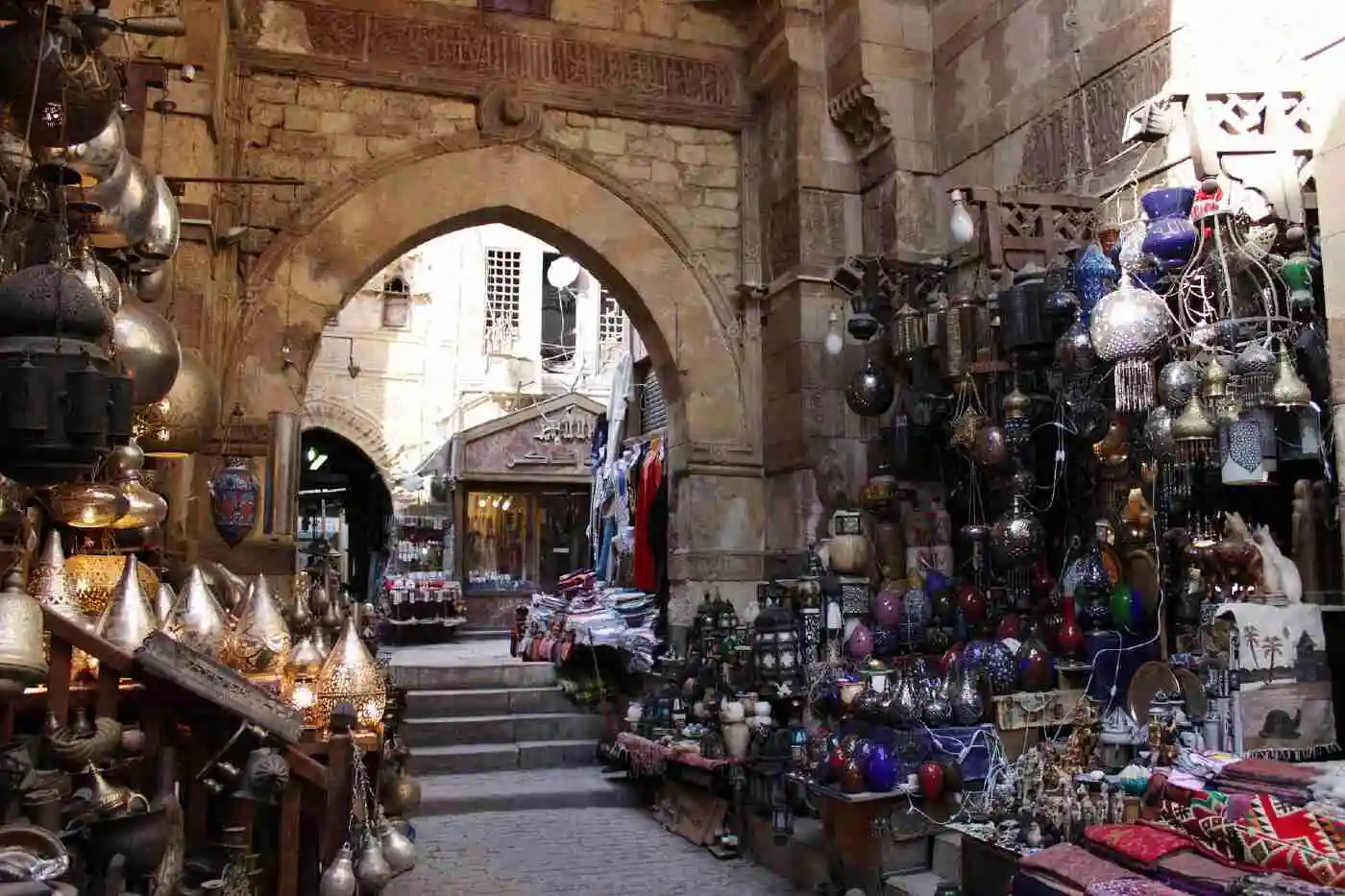
The main street of Islamic Cairo functions as its primary public space while Sikat Birjwan operates as its hidden secret area. The alleyway appears to tourists as an ordinary path which leads to Al-Hakim Mosque from the main street. The city stones reveal their secrets to those who possess the skills to read them because Sikat Birjwan functions as one of the most vital historical spaces throughout world history.
The lane provides visitors with more than a simple walking experience because it takes them on a journey through Cairo's political developments and neighborhood pride and architectural transformation that spans a thousand years.
The Name: Who Was Birjwan?
The street derives its name from Abu al-Futuḥ Birjwan who served as a powerful eunuch and tutor to the Fatimid Caliph Al-Hakim bi-Amr Allah. Birjwan became the actual ruler of the Fatimid Empire during the late 10th century because the Caliph had not yet reached adulthood.
The site existed as his former palace which served as a center of both extreme opulence and major political importance. The palace has disappeared through time yet its name still exists within the urban area of the city as a historical marker which shows how empire decisions used to be made in these specific limited spaces.
The Living Architecture
The present-day Sikat Birjwan specialness results from its complete authentic nature. The Birjwan area maintains its authentic character because its inhabitants remain present there. Here, you’ll find:
The Mosque of Birjwan: Although the Ottoman Empire rebuilt this mosque during their rule, it functions as the spiritual center of the street while preserving its original founder's heritage.
The Mashrabiyas: The city contains its most attractive remaining wooden lattice windows which visitors can observe when they look upward. The residents used these windows for two purposes: to observe street activity without being visible and to create natural cooling through the breeze which passed through the windows.
The Interlocking Houses: The houses here have an architectural design which positions their exterior walls so closely together that they create spaces which appear to be in physical contact. The designers created this layout to establish street shade while securing protection for the families who resided there.
The Pulse of the Neighborhood
Sikat Birjwan is a place where "community" isn't a buzzword; it’s a survival mechanism. The pathway reveals:
Traditional Workshops: Visitors can find a tiny workshop where craftsmen create products by using traditional methods which have been maintained for six generations.
The Scent of the Alley: The atmosphere presents a strong combination of roasting coffee beans and shisha café charcoal and the natural scent of ancient limestone.
The "Cairo Greeting": In Birjwan, you aren't just a tourist; you are a guest. Visitors should expect to receive a "Welcome to Egypt" greeting along with an invitation to share sweet mint tea on a plastic chair.
Hidden Gems Nearby
The central location of Sikat Birjwan makes it an ideal starting point to explore hidden attractions.
Bayt al-Suhaymi: This building stands only a few steps away as the most complete representation of a private Ottoman home which existed during the Ottoman period in Cairo. The space provides visitors with peacefulness through its courtyard areas and marble fountain installations.
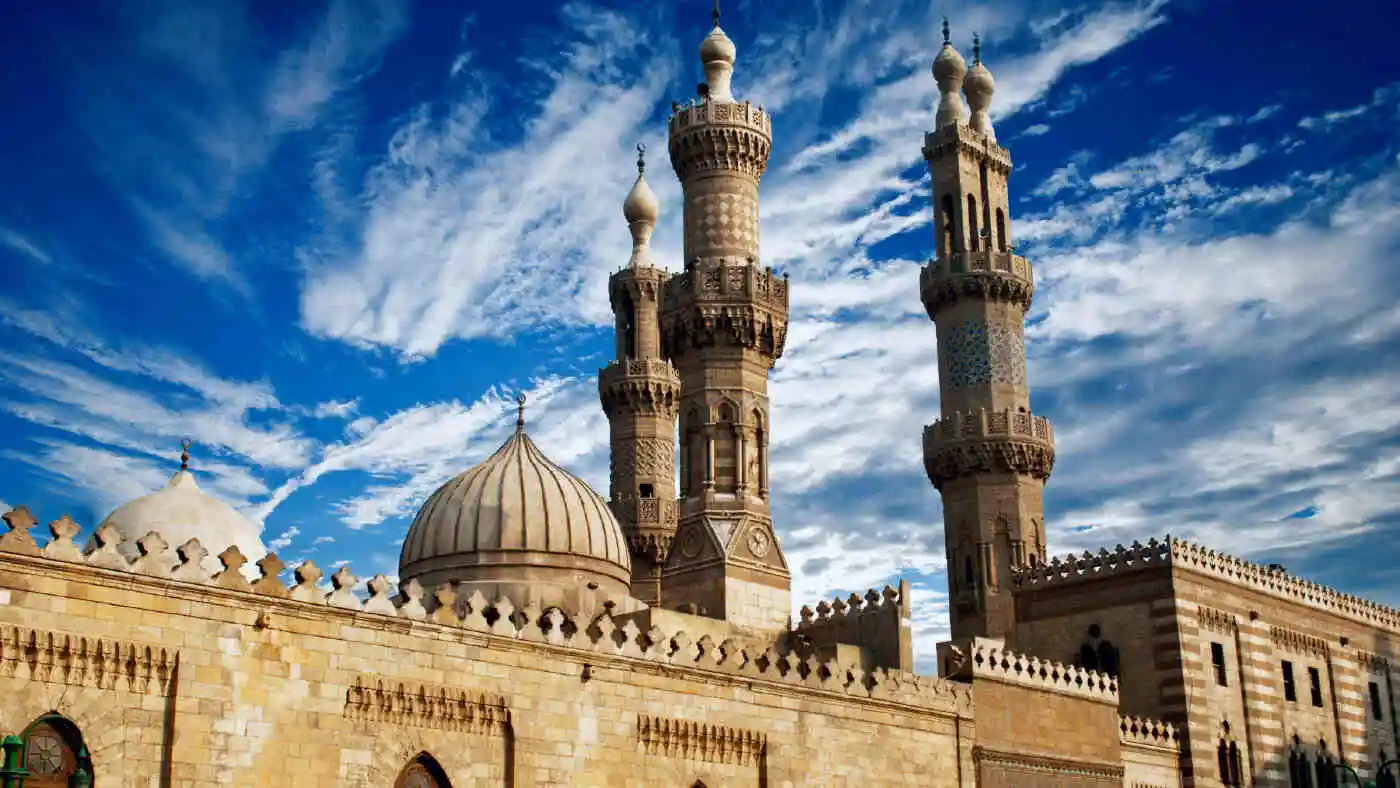
Al-Hakim Mosque: The Fatimid mosque features a vast open space which serves as its entrance to the entire complex.
Why You Should Visit
Most people visit Cairo to see the Pyramids. Visitors to Al-Muizz come to observe the mosque buildings. However, people avoid entering Sikkas (lanes) which include Birjwan.
You should visit if you want to see Old Cairo without the filters. The location serves as the intersection between Fatimid court history and present-day Egyptian society. The place becomes extremely packed with people while it maintains its beautiful appearance throughout its chaotic nature.
Quick Guide for the Explorer
| Category | Information |
| Location | Branches off Al-Muizz Street, near Bab al-Futuh. |
| Best Time | Late afternoon (around 4:00 PM) to see the neighborhood come alive. |
| Atmosphere | Narrow, historical, residential, and very friendly. |
| Don't Miss | The intricate woodwork on the upper floors of the old houses. |
The historical significance of Cairo extends beyond its monuments because the city shows its past through the pathways which connect its historical sites. The street has been active since its beginning as a royal route which royal families used to travel between their royal residences yet it still operates as a commercial street which connects people through both fresh bread shops and neighborly interactions.
Do you find pleasure in discovering concealed residential streets or do you choose to visit larger public spaces which feature more impressive architectural designs?



-webp.webp "Hilton")
-webp.webp "dusit")
-webp.webp "Marriott Hotels")
-webp.webp "Azimut Hotel")
-webp.webp "Golden Tulip")
-webp.webp "sheraton")
-webp.webp "westin hotel")
-webp.webp "Movenpick")