
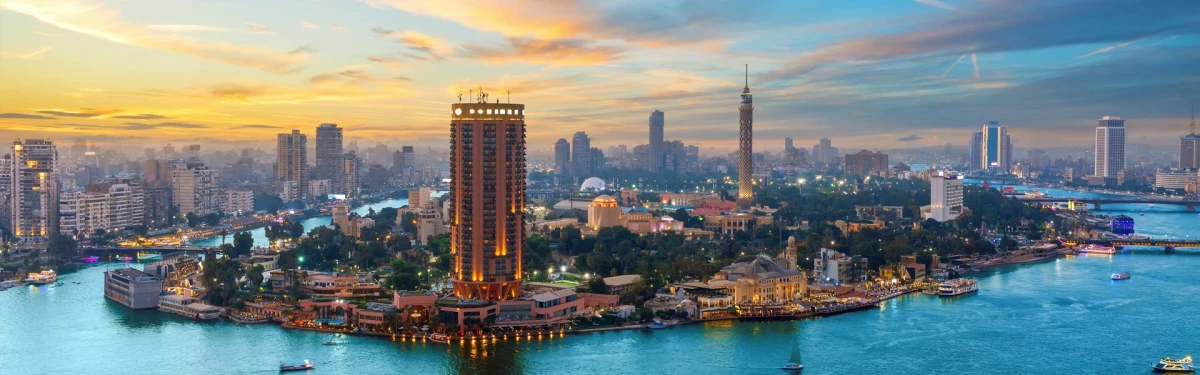
Top 20 Cairo Attractions You Can’t Miss
Best Pyramid Sites to Visit Near Cairo
1- The Pyramids of Giza
Among Egypt's most well-known landmarks and one of the Seven Wonders of the Ancient World, the Pyramids at Giza were built over 4,500 years ago. They were constructed as royal tombs for some pharaohs and witnessed the ancient Egyptians' remarkable engineering achievements. The area comprises the pyramids of Khufu, Khafre, and Menkaure, each with its own history and size. A visit to their site offers a rare opportunity to step back in time and appreciate one of humankind's greatest feats. The desert landscape lends a palpable sense to the experience, and it is considered a must-visit for any traveler around Cairo.
2- Great Sphinx of Giza
The Great Sphinx of Giza looms over all as one of the most well-known and most mysteriously intriguing relics in Egypt. It is seen as a representation of strength and wisdom. Etched out of one single block of limestone, this Sphinx has been safeguarding the pyramids for thousands of years, luring innumerable theories concerning its origin and mission. Its remains are a very potent relic of an age-old civilization of Egypt. People from all corners of the globe come and adore its presence, get thrilled, and sidestep their own realities when it comes to stories.
3- Saqqara pyramids
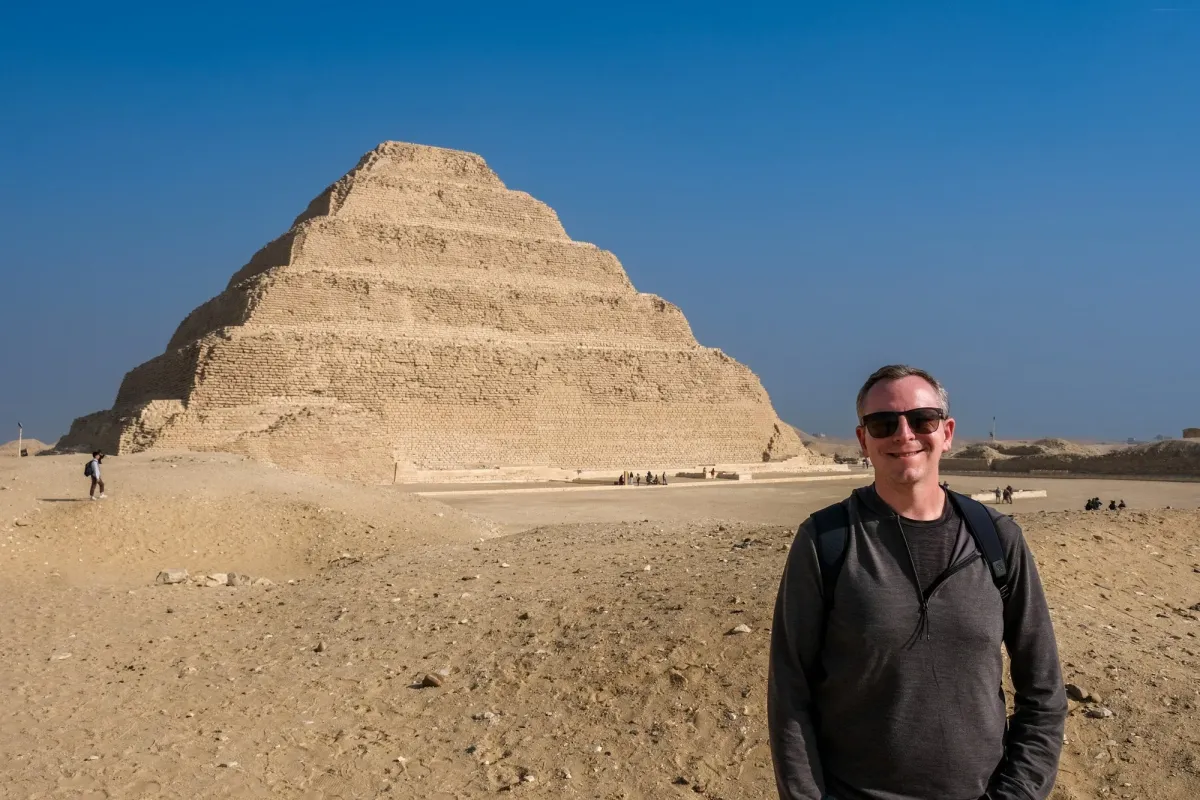
Saqqara is one of Egypt’s most important archaeological sites and home to the famous Step Pyramid of Djoser. This pyramid is considered the earliest large-scale stone structure in history and marks a major step in pyramid development. Beyond the Step Pyramid, Saqqara features a vast complex of tombs, temples, and burial sites that reveal insights into ancient Egyptian life and beliefs. The area is less crowded than Giza, allowing visitors to explore at a more relaxed pace. It’s an essential destination for those interested in history, archaeology, and the evolution of ancient Egyptian architecture.
4- Dahshur pyramids
Dahshur is another pyramid site lying in peaceful quiet, farther south of Giza, but it opens a treasure trove of attractions. Most famous for the Bent and Red Pyramids, both constructed in the reign of Sneferu, the latter, as the name suggests, is oddly built and was a clear experiment to comprehend how a pyramid was built in that period. The Red Pyramid, meanwhile, was really the first smoothly faced pyramid in Egypt. While the Giza Plateau is packed with tourists, Dahshur gives you all the room in the world to walk around the pyramids and even get inside them. This is recommended to travelers who are interested in learning about ancient Egypt in some depth without the strangleholds of orthodox tourism.
Top Museums in Cairo for Egyptian History and Culture
5-The Grand Egyptian Museum
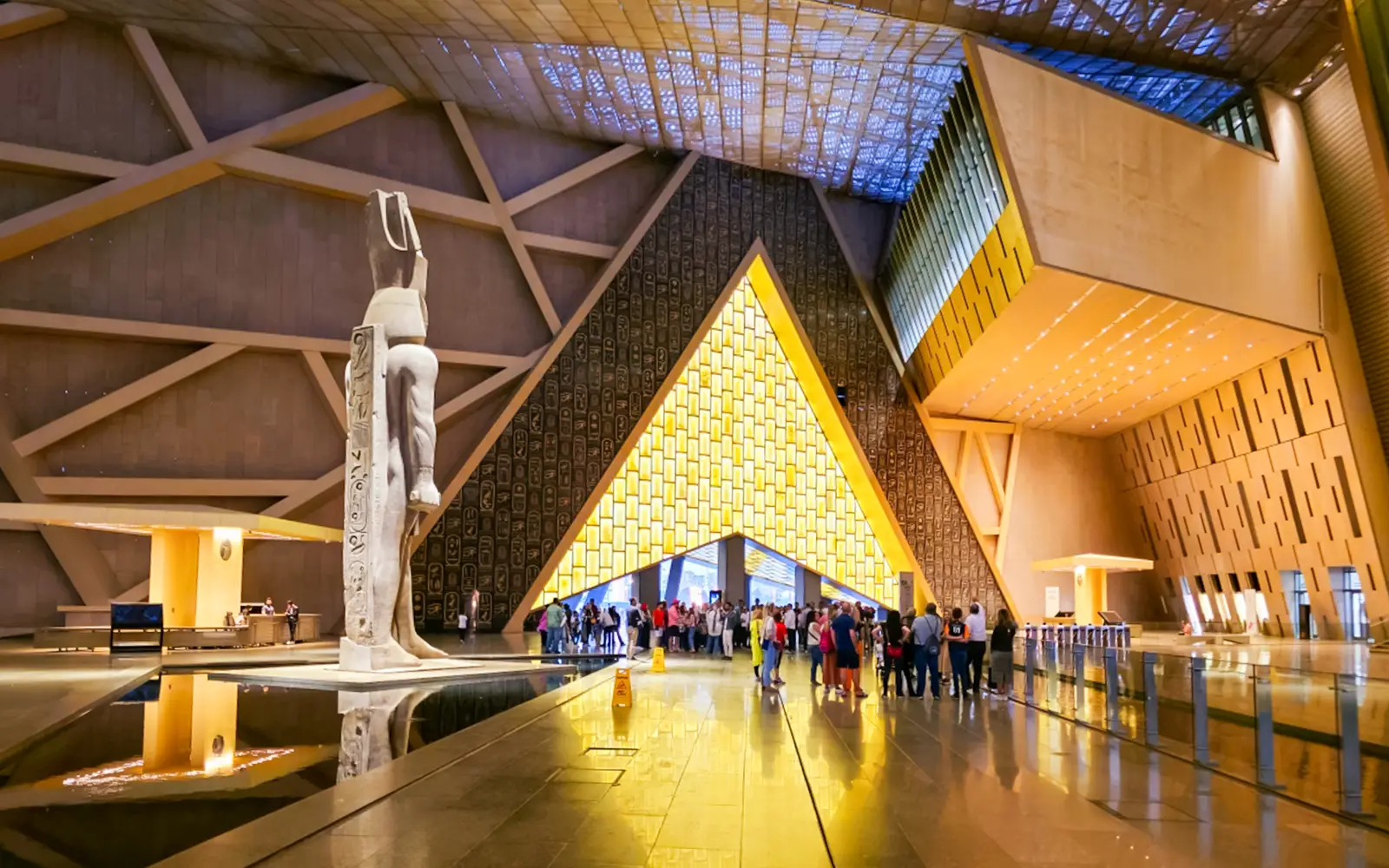
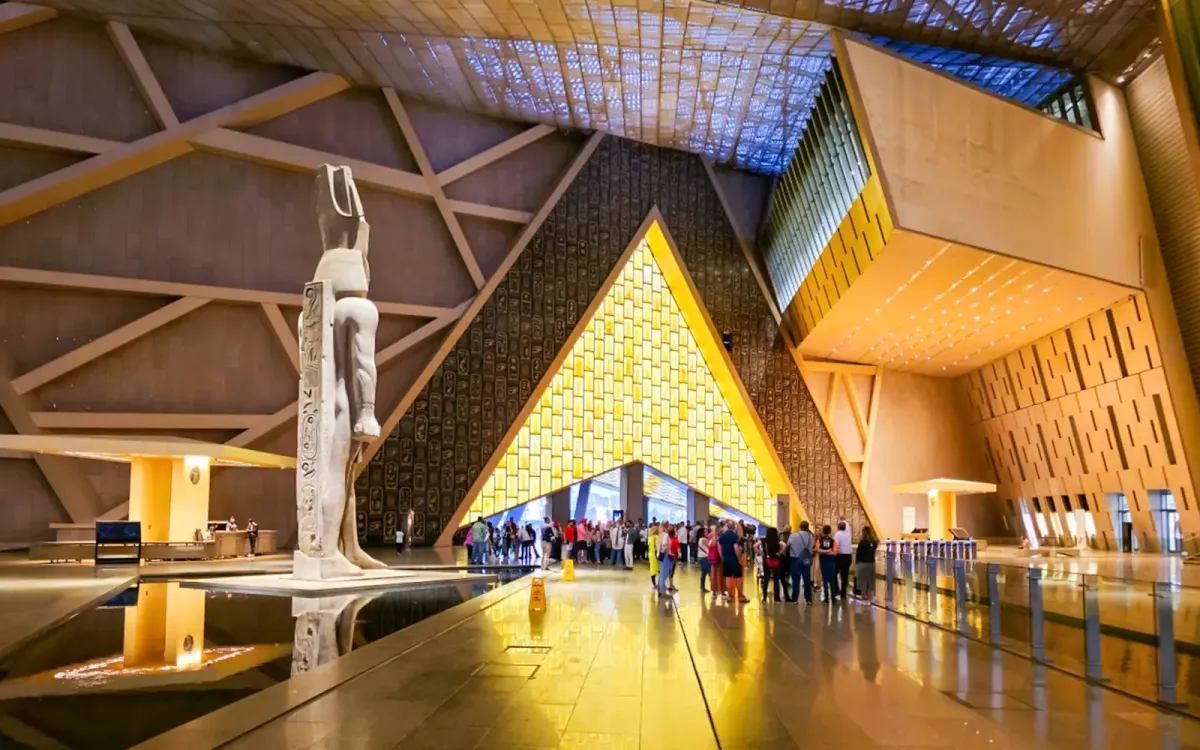
The Grand Egyptian Museum is easily anticipated as one of the most notable cultural projects worldwide. Located just meters near the Giza Pyramids, in a modern immersive way, tourists get to step through time in ancient Egypt. The museum now opens up for storage of thousands of artifacts, amongst them the full collection of Tutankhamun's treasures. This vast hall, with advanced displays and interactive exhibits, offers a wide variety of insights into Egypt's ancient times. The architecture also exudes contemporary grandeur mixed with historical themes. Education comes second when having a visual treat, making this a must-do trip for any Cairo explorer.
6- Egyptian Museum
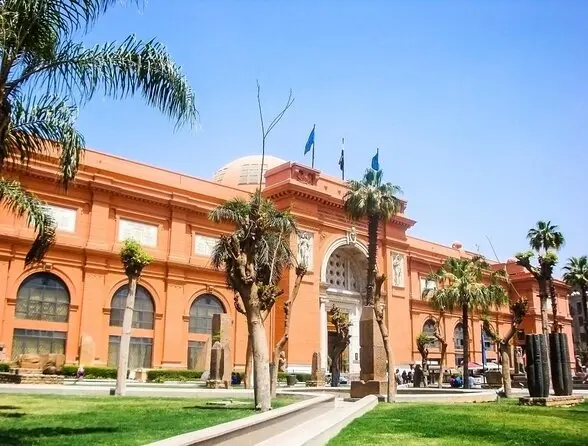
The Egyptian Museum in Cairo is a veritable heritage for ancient artifacts that narrate the story of Egypt's rich history. Situated in Tahrir Square, it houses over 100,000 objects, statues, jewels, mummies, and everyday objects, showcasing ancient times. One of its most-visited displays is the treasury that belonged to King Tutankhamun, rivaling the mummies in terms of the interest it evokes in millions. The site from within, with its classical older style, is charming and gives promise of authenticity to visitors. When one walks through the gallery of the museum, they seem to be walking through millennia of history right in front of them. Therefore, those who cherish culture and history are highly compelled to pay this museum a significant visit.
7- National Museum for Egyptian Civilization
The National Museum of Egyptian Civilization offers a comprehensive edge toward Egypt's history from prehistoric times to the modern era. The Royal Mummies' Hall is one of its major attractions, where visitors get to have a glimpse of the embalmed remains of very famous pharaohs in a context that couldn't have been any better designed. The museum goes about detailed storytelling with high-tech gadgets and clear exhibits in a manner that makes it lively. Situated at ancient Fustat, one of Cairo's oldest precincts, this will collectively add historical value to the visit. Thus, it is a great spot for comers from all across the globe who wish to have an ultimate view of Egyptian civilization stretched through time at a single centre.
8-Museum of Islamic Art, Cairo
The Museum of Islamic Art in Cairo is home to one of the most important collections of Islamic artifacts in the world. It features a wide range of items, including ceramics, textiles, manuscripts, and metalwork from different Islamic eras. The museum highlights the artistic and cultural achievements of Islamic civilization across centuries. Its well-organized exhibits make it easy for visitors to explore and appreciate the beauty of Islamic design and craftsmanship. Whether you are interested in art, history, or culture, this museum provides a unique perspective on Cairo’s rich Islamic heritage.
Top Islamic Historical Landmarks in Cairo
9- Al-Azhar Mosque
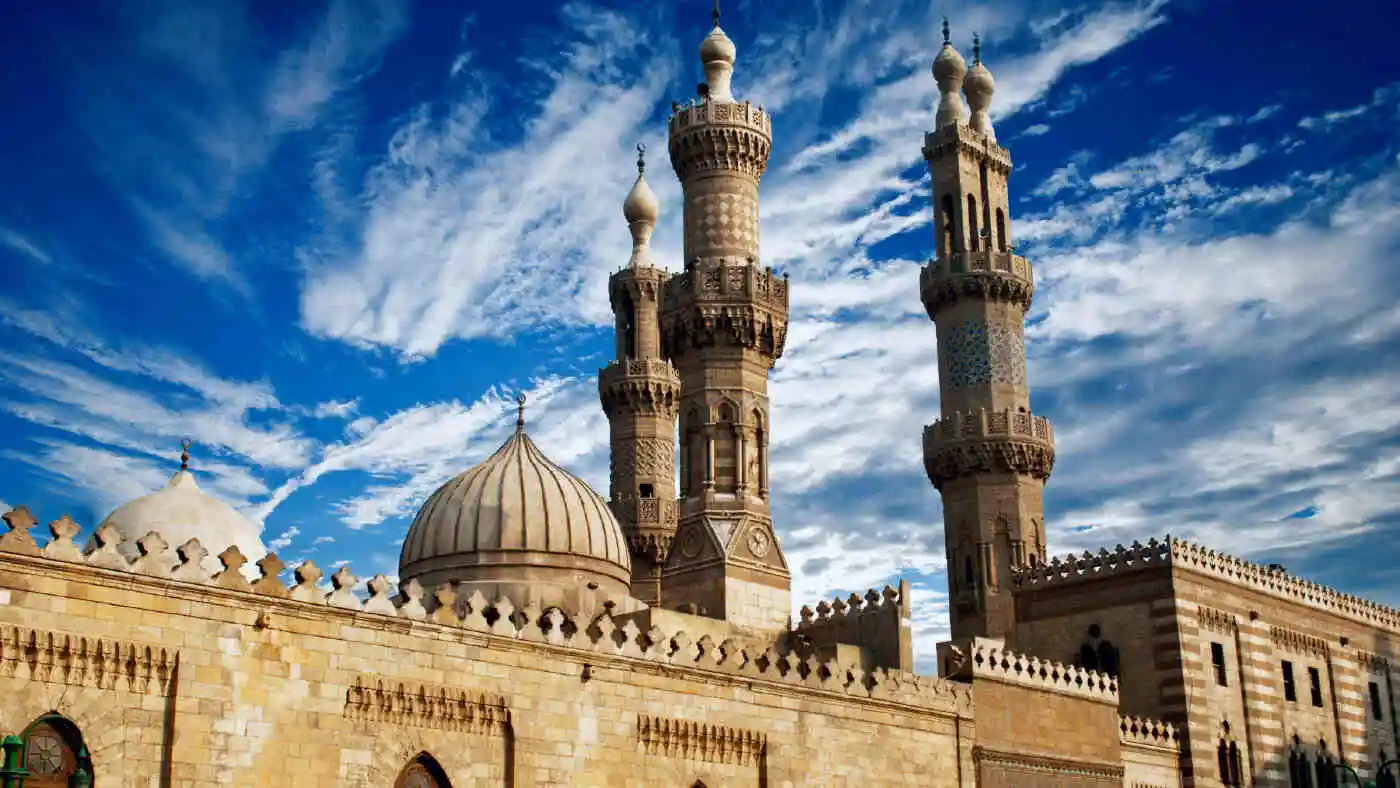
Al-Azhar Mosque is among the oldest and most important mosques in the Islamic world. Built during the 10th century, it is also a major Islamic center by virtue of its connection to Al-Azhar University. The mosque is characterized by elegant domes and intricate carvings with a sense of a calm and serene courtyard. Its spiritual ambience makes up the indispensable charm of the place, and yet somehow this sacred structure embodies a certain historical legacy. Currently still being used for its purpose of prayers and teachings, Al-Azhar University attracts students and academic candidates from across the globe. A trip to Al-Azhar gives an enlightening view of religious and cultural traditions among the people.
10-Mosque of Ibn Tulun
One of Cairo's oldest mosques, the Mosque of Ibn Tulun, is one of the best-preserved examples of early Islamic architecture. The 9th-century mosque has a large courtyard and the unique spiral minaret, for which it is famous. The mosque has a great plan: it is a remarkable piece of simple yet dominant architecture that imparts a sense of peace and spirituality, providing a perfect escape from Cairo's bustle. The grand minaret, on which it is possible to climb up for a panoramic view of the area around. A hidden gem with good historical significance and an even better sense of peace is worth visiting.
11- Citadel of Saladin
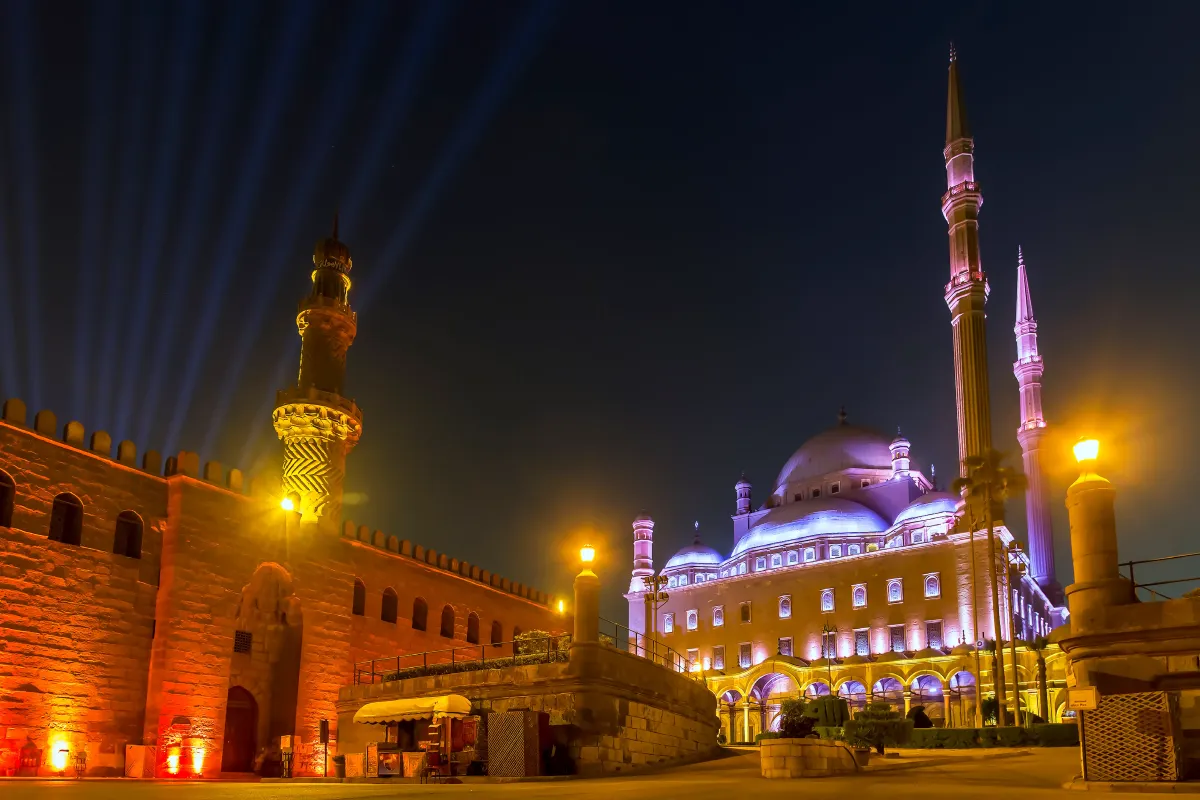
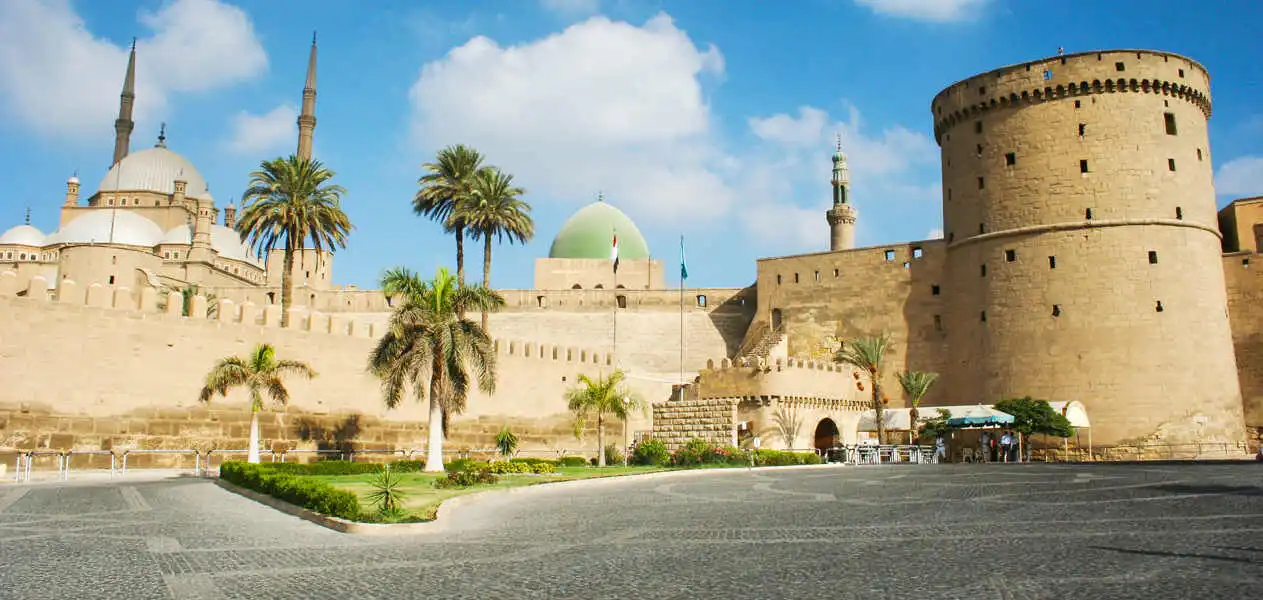
Situated in Cairo, the Citadel of Saladin is a historical heritage dating back to the 12th century during Saladin's rule, built to protect the city from Crusader attacks. From a high hill, one can enjoy a view of Cairo unmatched by any other. Inside the citadel, many mosques, museums, and military-style buildings outline the history of Egypt's various eras. The Mosque of Muhammad Ali is a key attraction, known for its fascinating Ottoman-style architecture and impressive domes. Visiting the Citadel, combined with Cairo's military and architectural history, offers even more beautiful views of the city.
12- Khan el-Khalili
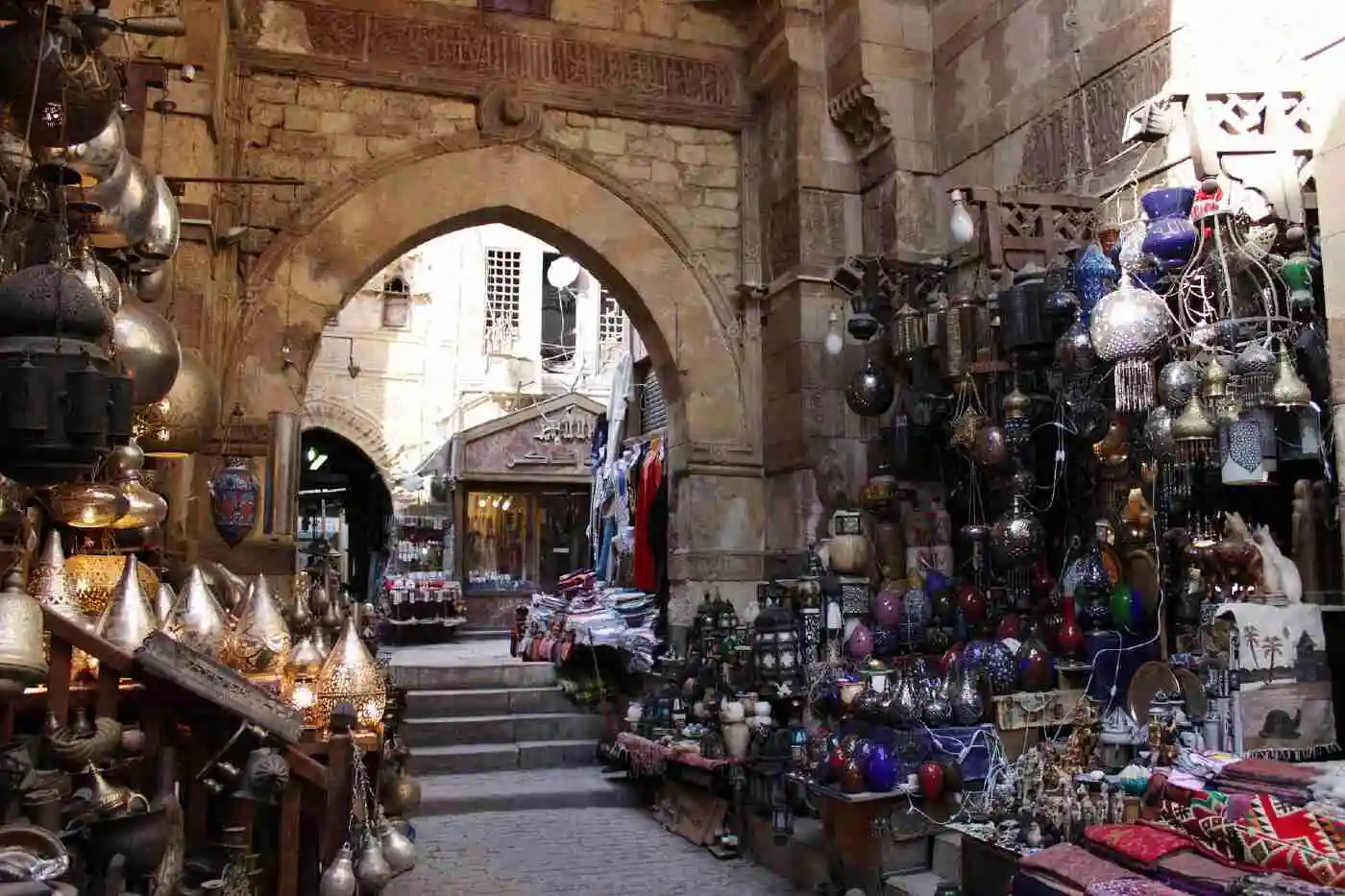
Khan el-Khalili is a famous Egyptian bazaar located in Old Cairo. Established for centuries, it has sold spices, perfumes, jewelry, and souvenirs. It is energetic and lively, with leisurely "lokums" in street cafés and sidewalk socials enjoying traditional Egyptian tea and Turkish coffee. It is not just a marketplace; it is your ticket to experiencing true Egyptian culture and social behavior. Walking here feels like stepping into the past.
13- Al-Muizz Street
Al-Muizz Street is the most ancient street, even older than Cairo itself, and is very close to the downtown area. It is regarded as an open-air museum of Islamic architecture. We could visit buildings flanked by mosques and historical gates; indeed, they show the rich heritage of medieval Cairo. Walking through its high galleries is always like voyaging through time, for every aspect is supposed to narrate, in bits and pieces, about various Islamic eras. At night, graced by artificial light detail, it looks magical-the hotels and houses light up with colorful optic arts. Al-Muizz Street also serves as a home to several small shops, some eateries, and has really nice cultural places to visit. All in all, it represents a picturesque combination of history and everyday life at the very heart of Old Cairo.
14- Mosque of Muhammad Ali
The Mosque of Muhammad Ali is one of Cairo’s most famous landmarks, located inside the Citadel of Saladin. Built in the 19th century by Muhammad Ali Pasha, it is known as the “Alabaster Mosque” because of its shining white exterior. The mosque showcases impressive Ottoman-style architecture with large domes, tall minarets, and a spacious courtyard. Inside, visitors find elegant decorations and a peaceful atmosphere. From its elevated location, it also offers stunning panoramic views of Cairo. The mosque is both a place of worship and an important historical symbol, making it a must-visit attraction for anyone exploring the city.
Religious Heritage Sites in Coptic Cairo
15- Coptic Cairo
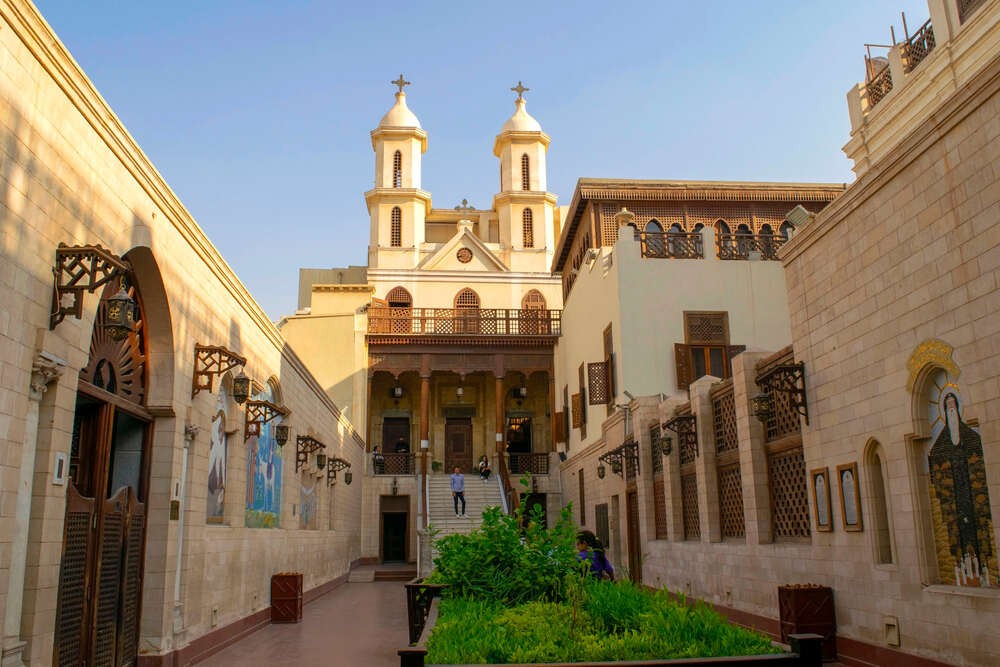
Historical Coptic Cairo is permeated with lofty ancient churches, monasteries, and religious landmarks, being regarded as one of the most ancient parts of Cairo and thus as an invaluable site of great representations of the Coptic community in Egypt. The area includes several major sites such as The Hanging Church and The Coptic Museum. Exploring the winding, narrow ways of this area gives an aura of peace and spirituality, quite stark in contrast to that offered by the modern city nearby. Through spans of centuries, Coptic Cairo manifests religious history and cultural harmony; henceforth, it welcomes all those interested in Egyptology.
16- The Hanging Church
The Hanging Church, also known as the Church of Saint Virgin Mary in the Coptic Orthodox faith, is among the most venerable of the Egyptian churches. Its name comes from its being built on the remains of a Roman gate. That it appears to be “hanging” there is the real sensation that gets the attention of passersby. The ceiling is noted for being of the finest woodwork. Icons deposited within the church are lovely and deserve to be respectfully appreciated. Deeper into a still peaceful atmosphere, the pulpit of the Holy Book, its magnificent iconostasis, impressive rafters, and valuable wooden imitation walls are a few of the many identity characteristics of the Coptic culture in the course of time. Its importance in Coptic history and its continuing importance to Christian worship continue to shine in one of the building's long blue glass windows at sunset. Visiting the Hanging Church offers a glimpse of the world's history of religions and how these have intermingled till the equilibrium was upset, thus causing them to proliferate.
17- Ben Ezra Synagogue
The Ben Ezra Synagogue is one of Cairo's oldest Jewish historic sites, located in an ancient area of Cairo. Its foundations can be traced to a time before Islam, but it has been reconstructed several times in the course of history. Most famous for housing the Cairo Geniza, which is a vast collection of ancient Jewish manuscripts that contributed significant insights into medieval life, trade, and culture. Architecturally, it is not much to write home about in comparison with other religious monuments, but the interiors stand out in simplicity and elegance. This simple structure has great cultural and historical significance in view of the illustrious tradition of religion and coexistence in Cairo.
Cairo’s Royal Palaces and Elite Heritage Sites
18. The Manial Palace Museum
The Manial Palace is one of the hidden treasures of Cairo, located on Rhoda Island. Built by Prince Mohammed Ali in the early 20th century, it is a 'Kaleidoscope' combining Islamic, Persian, and European architectural styles. The palace is surrounded by lush gardens filled with rare plants and fountains, giving a royal escape in a cityscape. In the interiors, one will see posh foyers, historical antiques, and kingly collections. It's much less crowded compared with other tourist spots, offering a calm, cultural experience. The Manial Palace Museum is great for those who wish to go see regal Cairo beyond the general tourist attractions.
19. The Abdeen Palace
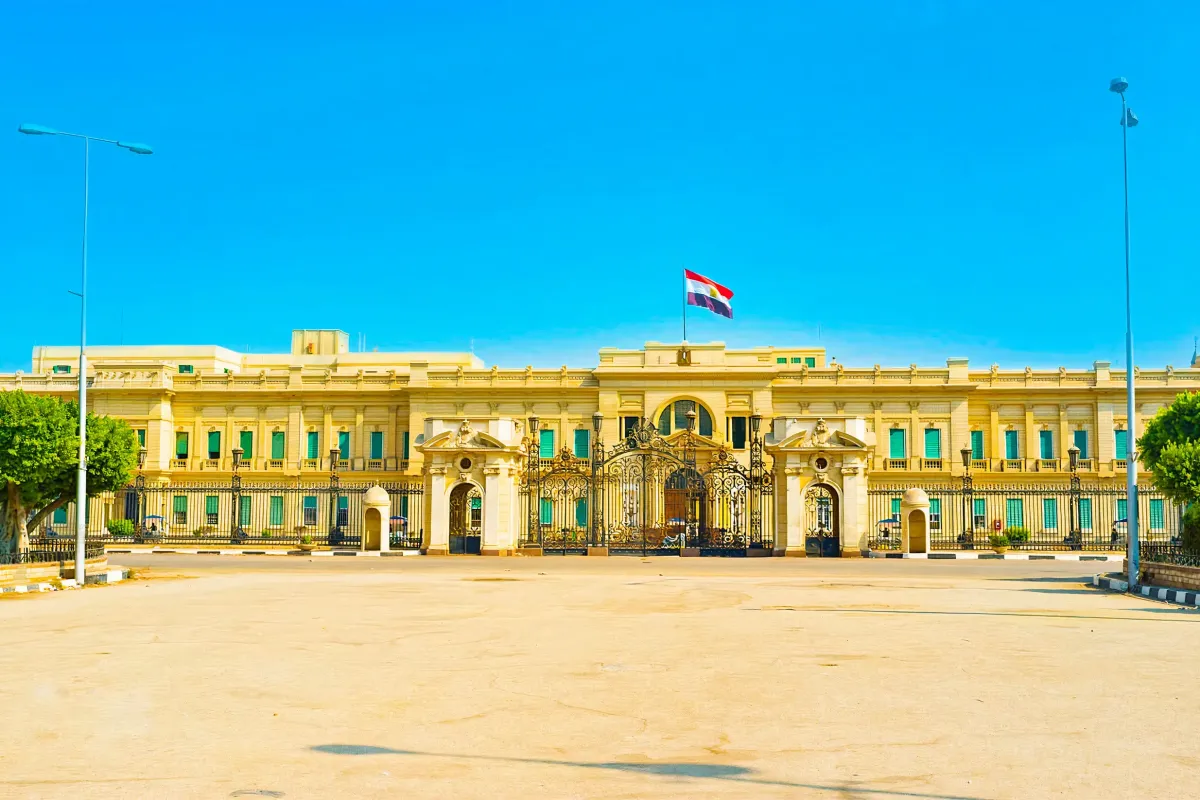
The Abdeen Palace is one of Egypt’s most significant royal landmarks and was used to be an official residence of the Egyptian monarchy. Currently located in downtown Cairo, this assemblage is a museum show open to the public. The palace holds royal chambers, and it showcases wonderful decoration, weaponry, and historical gifts given to the Egyptian kings. The architecture here is a mixture of an opulent European and Egyptian royal design. A walk through Abdeen Palace will give tourists an enlightening illustration of the modern royal history of Egypt. Any politics, monarchy, or antiquated luxury buff should visit it at least once.
Top Cultural Experience Attractions in Cairo
20. Pharaonic Village
Pharaonic Village is indeed a one-of-a-kind attraction: an encounter with ancient Egypt. The appearance of regal figures and farmers re-enacting daily chores from thousands of years ago is fascinating. The boat ride with mock-up villages on either side showing farming, weaving, and royal life is captivating. This is both entertaining and educational, suitable for families, parents, and kids. The village also features the reconstruction of famous temples and tombs. As another interacting medium to marvel at the lives of ancient Egyptian days, it ensures Pharaonic Village captures the engagement of any fun-loving tourist, such as Cairo and many cities.




-webp.webp "Hilton")
-webp.webp "dusit")
-webp.webp "Marriott Hotels")
-webp.webp "Azimut Hotel")
-webp.webp "Golden Tulip")
-webp.webp "sheraton")
-webp.webp "westin hotel")
-webp.webp "Movenpick")