
-webp.webp)
Al-Darb al-Ahmar: A Living Pulse in the Heart of Historic Cairo
Al-Darb al-Ahmar: A Living Pulse in the Heart of Historic Cairo
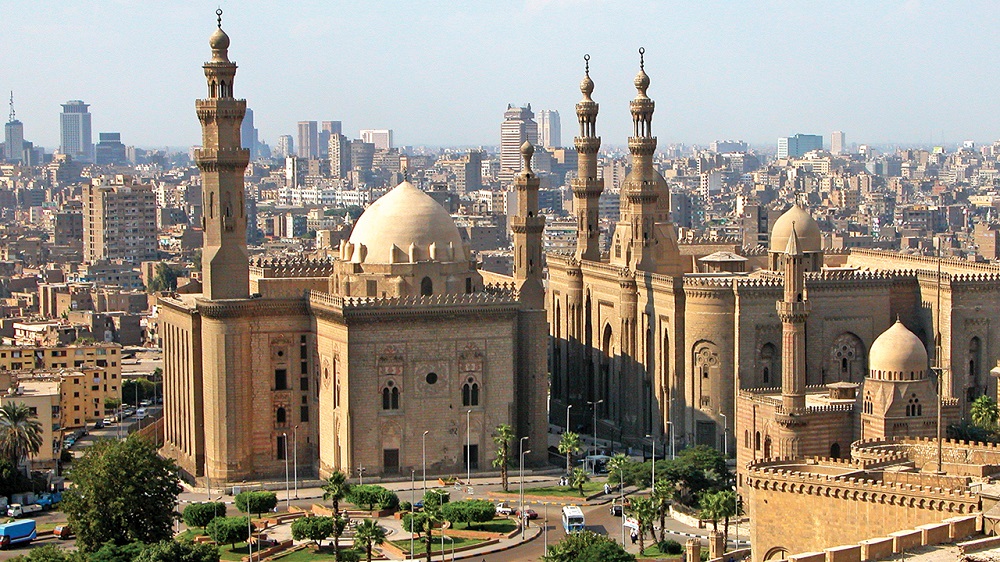
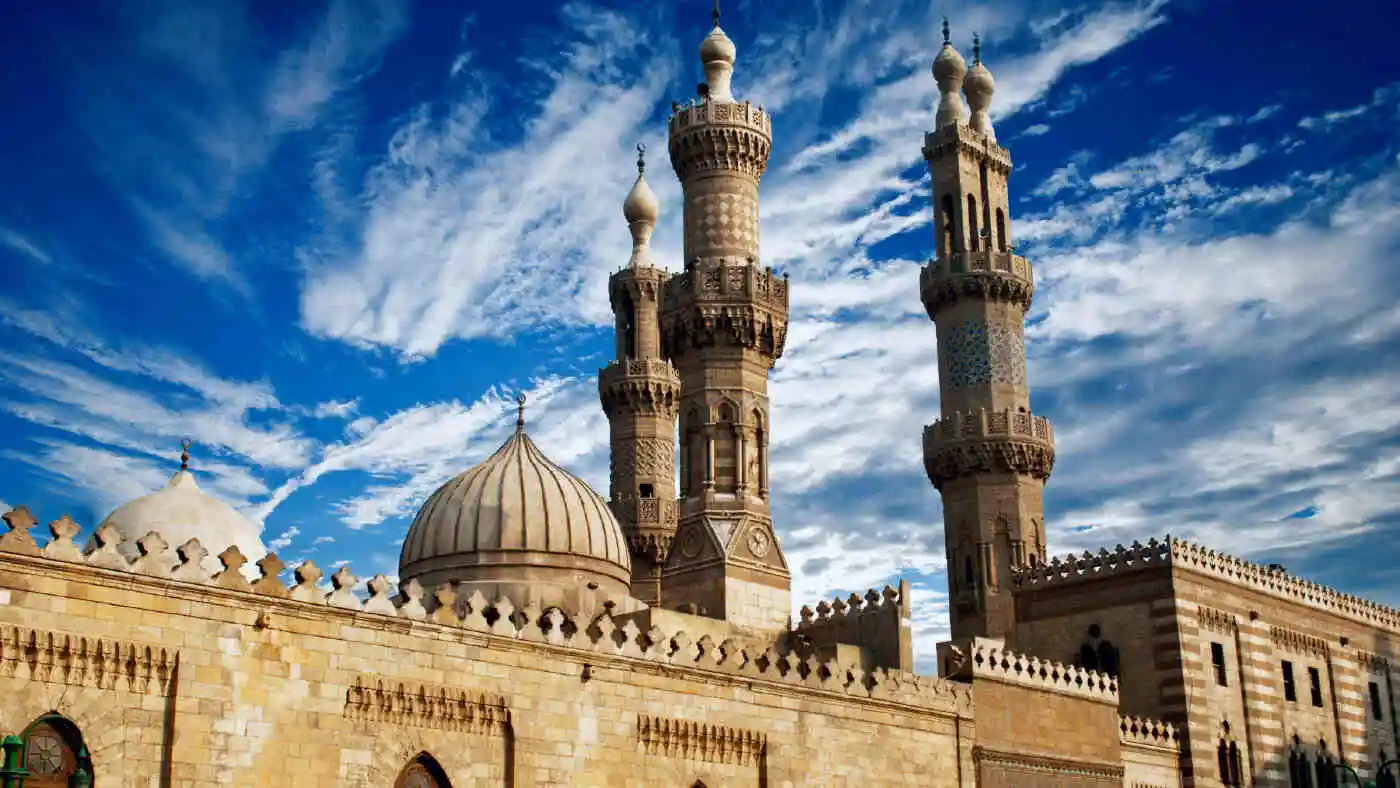
The city which people call Cairo for its many minarets shows its true character when visitors arrive at Al-Darb al-Ahmar. The modern malls of New Cairo show Egypt's upcoming development while this area which extends from the Fatimid walls to the Citadel represents the continuous existence of the past.
Al-Darb al-Ahmar streets offer visitors an experience that does not resemble a traditional museum tour. The visitor experiences full community life which combines elements from both the 14th and 21st centuries.
The Name and the Legend
The name "Al-Darb al-Ahmar" literally translates to "The Red Path." The local legend describes a violent historical event which occurred after the 1811 Massacre of the Mamluks at the Citadel when fallen soldiers' blood flowed down the hill and through this street which created red stains on the ground.
The story establishes the area atmosphere whether it contains accurate historical details or a theatrical representation of Cairene culture. This location holds historical significance because it represents important events which have shaped human existence.
A Walk Through Time: Must-See Landmarks
You don’t need a map in Al-Darb al-Ahmar; you just need comfortable shoes and a sense of curiosity. The neighborhood has three main pillars which define its character.
The Blue Mosque (Mosque of Aqsunqur): You’ve heard of the Blue Mosque in Istanbul but Cairo has its own hidden gem. After a massive restoration project its famous Iznik-style blue tiles shine again. The location provides an unusual peacefulness which exists between the two extremes of city life.
Bab Zuweila: One of the three remaining gates of the Old City. The twin minarets give visitors a complete view of Cairo which exceeds any view from Five-Star hotels. The view shows the extensive area of the "Tentmakers' Market" below.
The Mosque-Madrasa of Sultan Hassan: The building stands near the Citadel at the border of the district. The structure shows Mamluk architectural style in its finest form. The building has a massive design which creates an imposing presence through its architecturally perfect design.
The Al-Khayamiya: The Last of the Tentmakers
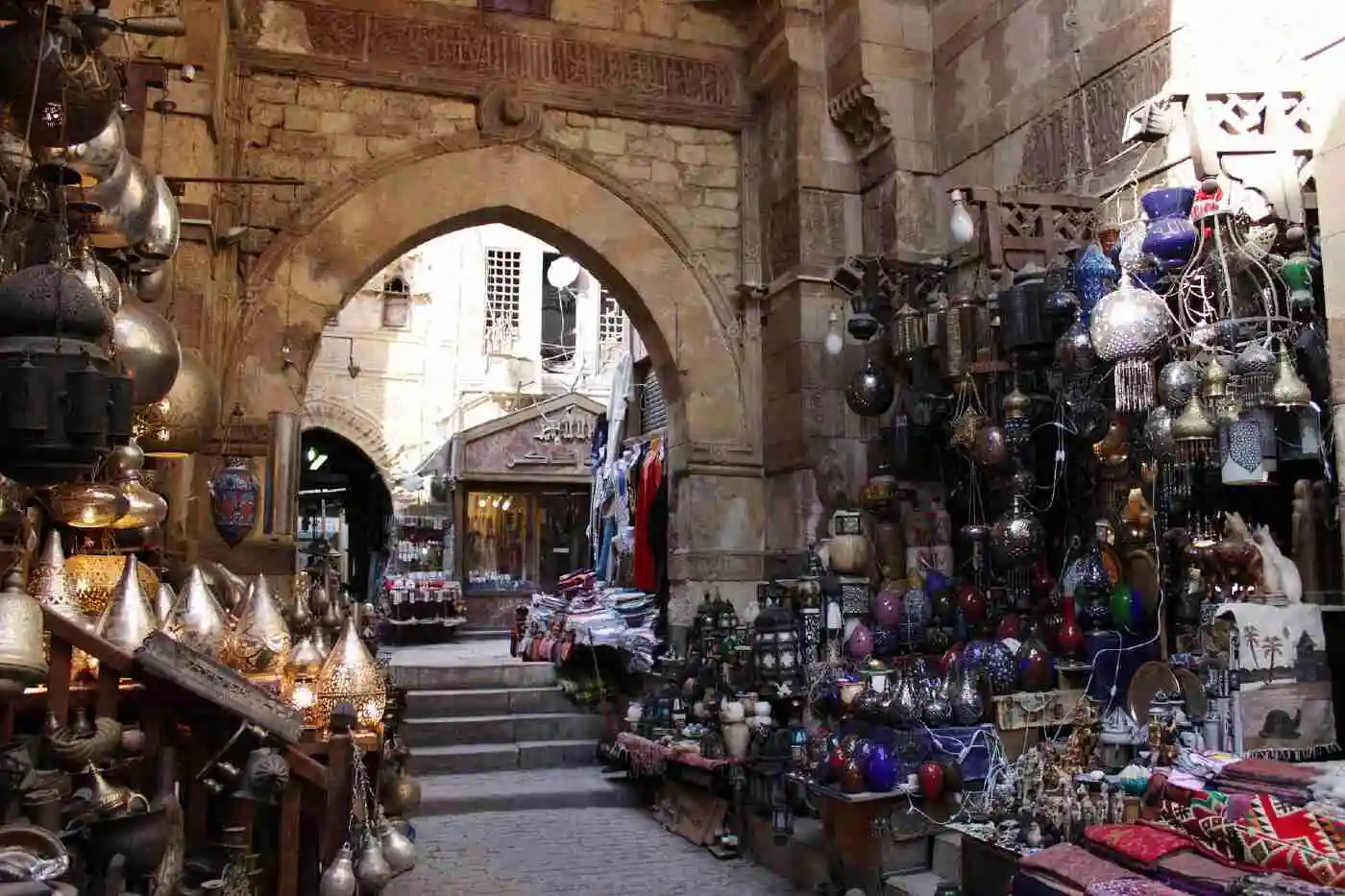
The Street of the Tentmakers (Sharia al-Khayamiya) serves as the district's most important cultural site. The covered market operates as Cairo's sole remaining segment of traditional markets.
The craftsmen built thousands of applique tents which served throughout the caravans of the desert. Their current work involves making beautiful wall hangings and pillowcases and bedspreads. The speed of their needlework demonstrates advanced needlework skill yet requires dedication to complete.
Pro Tip: If you purchase an item here it acts as a keepsake while you support the preservation of an endangered medieval craftsmanship.
The Green Lung: Al-Azhar Park
The street of Al-Darb al-Ahmar existed for many years until its northern boundary reached a huge trash mound which contained 500 years worth of waste from the city. The Aga Khan Trust for Culture turned this area into Al-Azhar Park which has become one of the world's most important public parks during the early 2000s.
The park provided both trees and grass, but it also generated positive changes for the local neighborhood. The construction of the park brought about the discovery and excavation of the Ayyubid Wall. The park cafe offers patrons a view of Al-Darb al-Ahmar as they enjoy their coffee while watching the sunset behind Sultan Hassan Mosque. The view from this location stands as the finest vantage point in all of Egypt.
The People and the Craft
The character of Al-Darb al-Ahmar starts from its workshops rather than its stone buildings. The air transforms itself as you progress through your walking path. One street smells of sawdust from master carpenters; the next smells of scorched metal from blacksmiths; another smells of toasted spices or freshly baked baladi bread.
The residents here are the keepers of Cairo's "informal" history. They have spent their entire existence beneath the Mamluk domes. Children play football on ancient walls while elderly people drink tea at doorways which have witnessed historical events.
Essential Tips for Your Visit
If you’re planning to head down to the Red Path, keep these things in mind:
Dress Respectfully: This is a traditional, working-class neighborhood. The mosques require you to cover both your shoulders and knees.
Follow the Scent of Food: Don’t miss out on the local street food. Look for a busy Koshary shop or a stall selling Ta’meya (Egyptian falafel). The food remains fresh when there is a large group of customers.
The "Egyptian Pace": Your attempts to create a faster pace will fail. The situation will result in you becoming lost. The situation will result in someone offering to share tea with you. The situation will require you to navigate around two Vespa scooters. You should accept it.
Photography: Most people will allow you to take their picture after you ask them with respect (Mumkin soura?). You must first obtain permission before taking pictures in the workshops.
Why Al-Darb al-Ahmar Matters
The area presents itself with three main characteristics because it contains dust and noise and high pedestrian traffic. The location serves as a historical site because its past exists beyond textbooks and people use it in their daily activities.
The visit to Al-Darb al-Ahmar demonstrates how Cairo people continue to endure challenges. The built environment of a city consists of stone structures yet its existence depends on the narratives which people share throughout its most confined streets.
Summary Table: Quick Reference
| Feature | Details |
| Best Time to Visit | Weekday mornings (to see craftsmen) or sunset (for the views). |
| Vibe | Authentic, gritty, historic, and welcoming. |
| Key Craft | Khayamiya (Applique textile art). |
| Top Landmark | Bab Zuweila & The Blue Mosque. |
| Transport | Best accessed by Uber to Al-Azhar Park or Bab Zuweila, then explore on foot. |
The district of Al-Darb al-Ahmar serves as the central foundation which supports the existence of "Old Cairo." The Red Path serves as the most vital area in the city because it shows the highest level of city activity. People should remember to observe the elevated areas of their surroundings.
Which aspect of Cairo's history interests you the most: the magnificent Sultan architectural works or the activities of current artisans?



-webp.webp "Hilton")
-webp.webp "dusit")
-webp.webp "Marriott Hotels")
-webp.webp "Azimut Hotel")
-webp.webp "Golden Tulip")
-webp.webp "sheraton")
-webp.webp "westin hotel")
-webp.webp "Movenpick")