English
 Italy
Italy
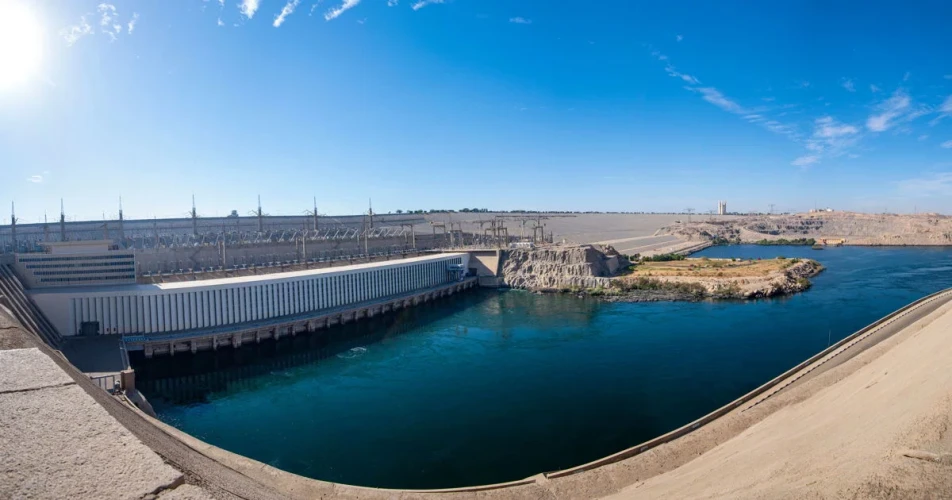
Aswan High Dam: The Great Nile River Project in Egypt
The History of the High Dam at Aswan
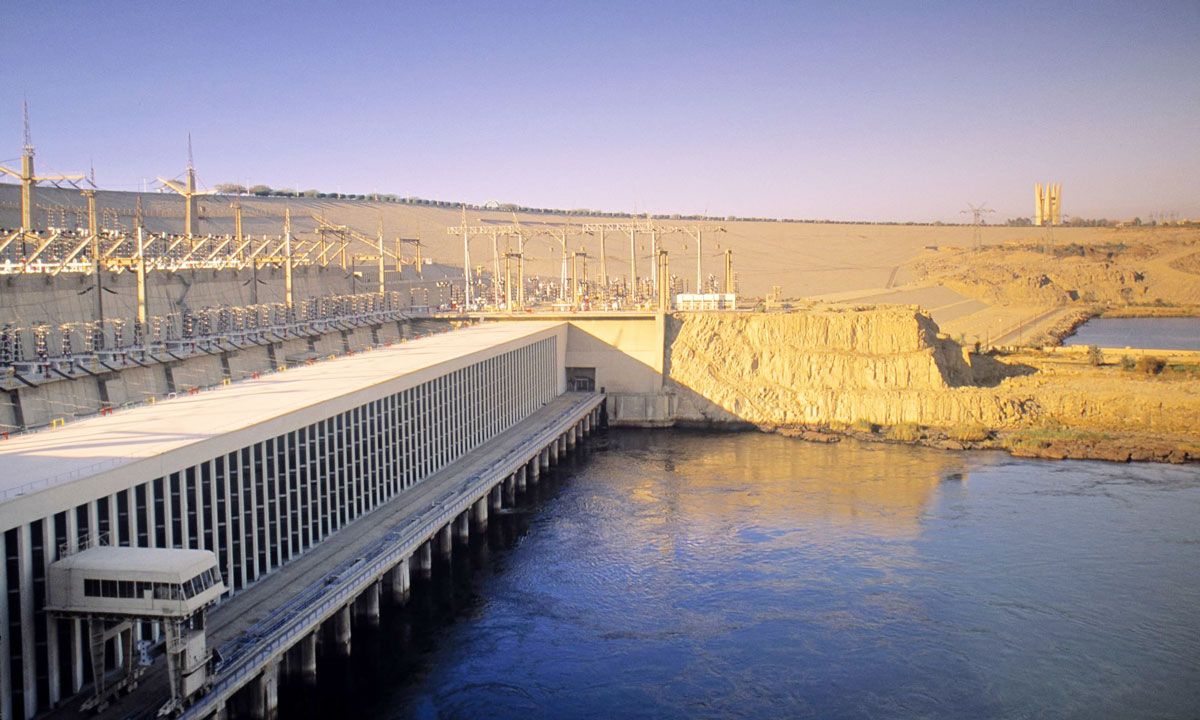
The Aswan High Dam is one of Egypt's most admired endeavors precisely because it symbolizes attributes of progressiveness and modernity. In 1960, the construction of the High Dam began, before it was terminated in 1970. It took a full decade for both the Egyptian and international engineers to accomplish. The High Dam is ensconced on the Nile, near the city of Aswan, located in southern Egypt, and was projected to control flooding, save water, and generate electricity.
Before the High Dam was built, the floods of the Nile flooded without prior warning. The Nile ignited the destruction of food crops and small communities. The Low Dam of Aswan, which had been constructed at the beginning of the twentieth century, could do little or nothing to control the flood or to generate enough electric power. The High Dam was, therefore, constructed to withstand the flood, gather water for the valley, generate electricity, and provide drinking water to an increasing population. Thus, its completion in the long run would help the economy of Egypt. It produced the energy to support agriculture, industry, and rural life, allowing the cultivation and industries to grow.
Lake Nasser: The Massive Reservoir Created by the High Dam
Lake Nasser, one of the world’s largest artificial lakes, was created as a direct result of the High Dam’s construction. When the dam blocked the flow of the Nile, water began to accumulate behind it, forming a massive reservoir that stretches over 550 kilometers from southern Egypt into northern Sudan. The lake covers an area of approximately 5,250 square kilometers and holds more than 132 cubic kilometers of water.
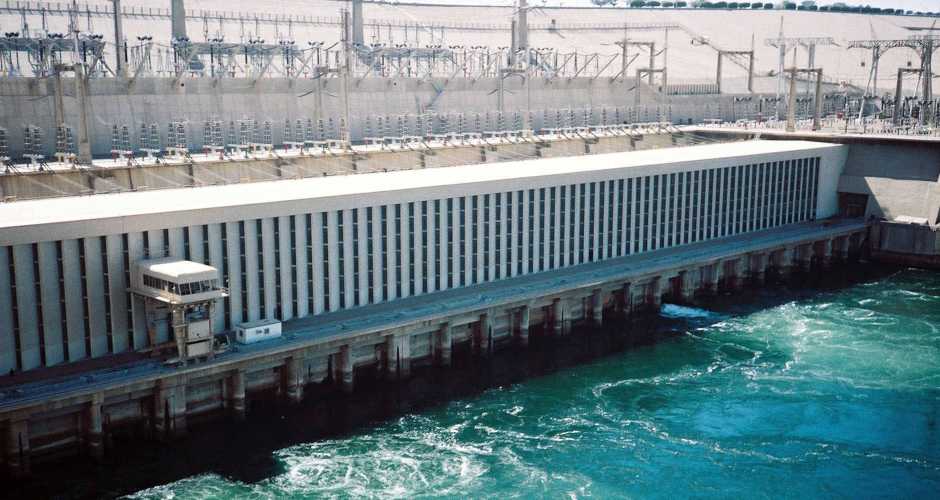
Lake Nasser has many uses. It stores water for dry seasons and droughts. The water is also used to irrigate farmland. The lake helps produce electricity through hydroelectric power. It provides a lot of Egypt’s electricity. Lake Nasser is also good for fishing and tourism. Building the lake meant moving many people and saving important historic sites, like the Abu Simbel temples.
The Impact of the Aswan High Dam on Nubian
The Aswan High Dam had a big impact on Nubia. Nubia is an ancient region along the Nile in southern Egypt and northern Sudan. It has a rich culture and historic villages, When Lake Nasser was created, much of the Nubian land was flooded. Thousands of people had to leave their homes and move to new areas.
The Egyptian government, with help from other countries, moved Nubians to new towns and villages. Important monuments, like the Abu Simbel temples, were also moved to higher ground. Even with these efforts, many Nubians lost their homes and way of life. They faced problems adjusting to new places. Still, keeping their cultural heritage and building modern facilities in the new towns helped reduce some of the dam’s effects.
Attractions Around the High Dam
Aswan is a city in which geographical beauty, history, and cultural reflection define many different perceptions. The High Dam is the number-one stop in Aswan, providing geological truths, with some other delightful spots in its surrounding area.
The Unfinished Obelisk reveals the methods by which the huge stones were cut by the Egyptians and showcases the awe-inspiring engineering mechanisms.
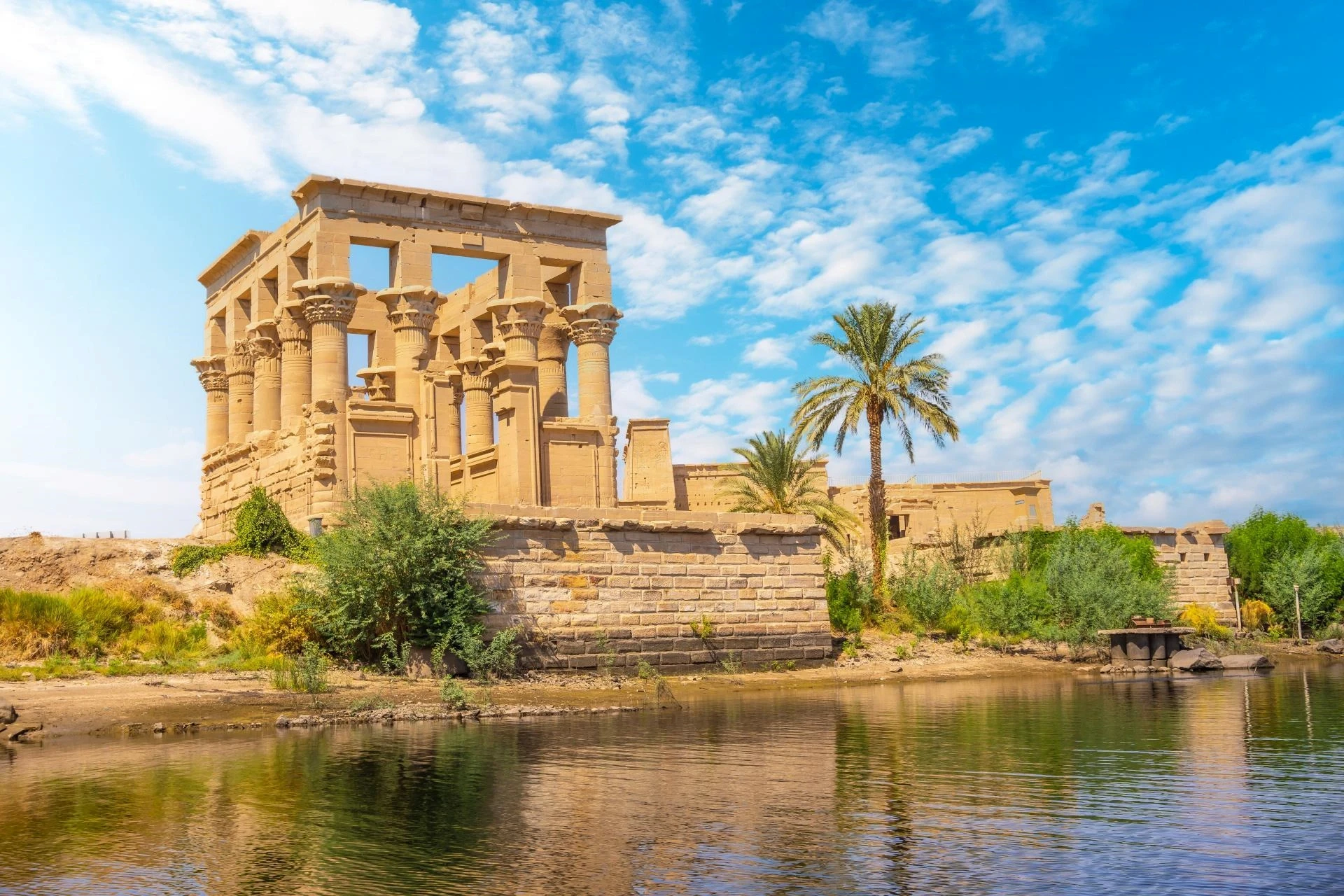
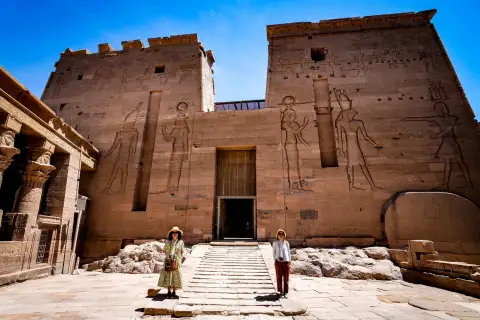
The Isis-temple island of Philae, located on the river by boat journey, offers scenic views of the River Nile and is a huge tourist attraction.
Visitors who want to see these major Aswan landmarks together can join an Aswan day tour to the High Dam.
The Nubian Museum gives a more substantial view, illustrating the history and culture of Nubia.
Elephantine Island is an important archaeological site. It has remains from Egypt’s earliest settlements.
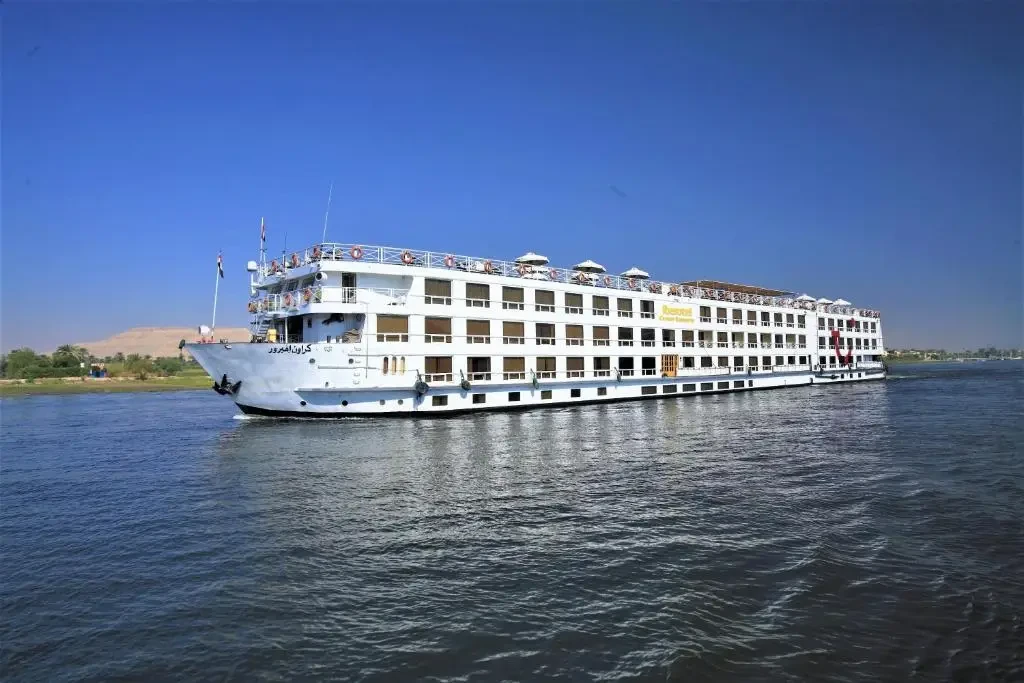
Nile Cruises: along the Nile show the river, the dam, and the surrounding desert. They make the High Dam area a great destination for history and nature lovers.
Best Time to Visit the Aswan High Dam
1- The best time to visit is during the cooler months, which extend from October through April. The following conditions exist during this time period.
2- Daytime temperatures range from 20°C to 30°C (68°F–86°F).
3- People can experience pleasant and enjoyable sightseeing activities.
4- Photographers should use early morning hours and late afternoon periods to take pictures of the dam and its nearby desert scenery.
Essential Information Before Visiting the Aswan High Dam
The Aswan High Dam provides visitors with both enjoyable experiences and educational opportunities. The location offers an excellent opportunity to study contemporary engineering and Egyptian historical developments. You can easily organize your visit to the dam, which operates as a tourist attraction throughout the entire week.
Guided Tours The recommended method for exploring the tour site involves joining organized guided tours. The guides provide visitors with information about the dam's operational functions, historical development, and assessment of its effect on nearby areas. The dam maintains operational status, which requires certain areas to remain off-limits to visitors. Visitors can take photos, but they must follow all safety and security rules.
The dam offers affordable tickets, which make guided tours the most effective method for exploring the site. The tour explains how the dam operates by showing the sluices and power plant while demonstrating water and electricity control methods. The visitor center provides rest areas, small cafes, and souvenir shops to enhance your visiting experience.
Tips For Visiting The Aswan High Dam
1- Visitors need to wear lightweight clothing that provides them with comfort.
2- Visitors should bring three essential items, which include a hat, sunglasses, and sunscreen.
3- Carry water to stay hydrated, especially in hot months.
Visiting the Aswan High Dam creates a unique experience that remains in your memory. The most important Egyptian landmark becomes accessible to visitors who make advance plans, adhere to regulations, and take official tours. The visitors can observe the spectacular engineering work at close range.
The Aswan High Dam offers a completely new kind of experience, merging the amazing feats of modern engineering with ancient Egypt, together with magnificent nature. Built in order to control the annual floodings of the river Nile and to produce hydroelectricity to feed and enable agriculture, the High Dam was vital for the development of Egypt and a great achievement. Furthermore, thanks to its construction, the artificial lake Nasser-the largest man-made lake in the world-was created.
While the High Dam changed the land of Nubia greatly, numerous rescue efforts succeeded in moving some of the greatest historical sites (e.g., Abu Simbel Temples). As a result, many important and stunning sites are located in the vicinity of the dam and form some of the best Aswan Attractions; a great combo of past and present as well as of nature and architecture.
Amongst the available things to see in Aswan you can find the ancient Philae Temple, an unfinished obelisk that astonishes by its size. Travelers who want to visit several of these landmarks in one trip can choose a High Dam tour.
The best period to visit the High Dam and all Aswan Attractions would be in the cool months when traveling, as well as the weather for photography, will be much better.








-webp.webp "Hilton")
-webp.webp "dusit")
-webp.webp "Marriott Hotels")
-webp.webp "Azimut Hotel")
-webp.webp "Golden Tulip")
-webp.webp "sheraton")
-webp.webp "westin hotel")
-webp.webp "Movenpick")