English
 Italy
Italy
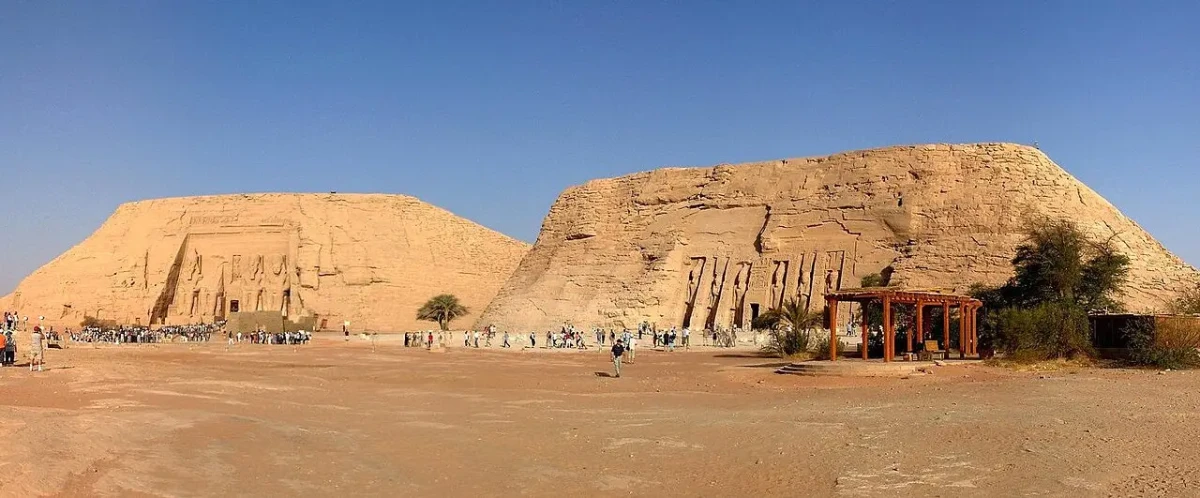
Complete Travel Guide to Abu Simbel tour from Aswan
Abu Simbel stands among the most awesome antiquities of Egypt, and for a trip to Upper Egypt it is an extremely popular visit. Located near the southern border of Sudan, the temples of Abu Simbel were carved out of the mountainside by the Pharaoh Ramses II more than 3000 years ago, and today a trip to Abu Simbel is the most popular visit in many Egypt Tours, as part of a larger Egypt day tour.
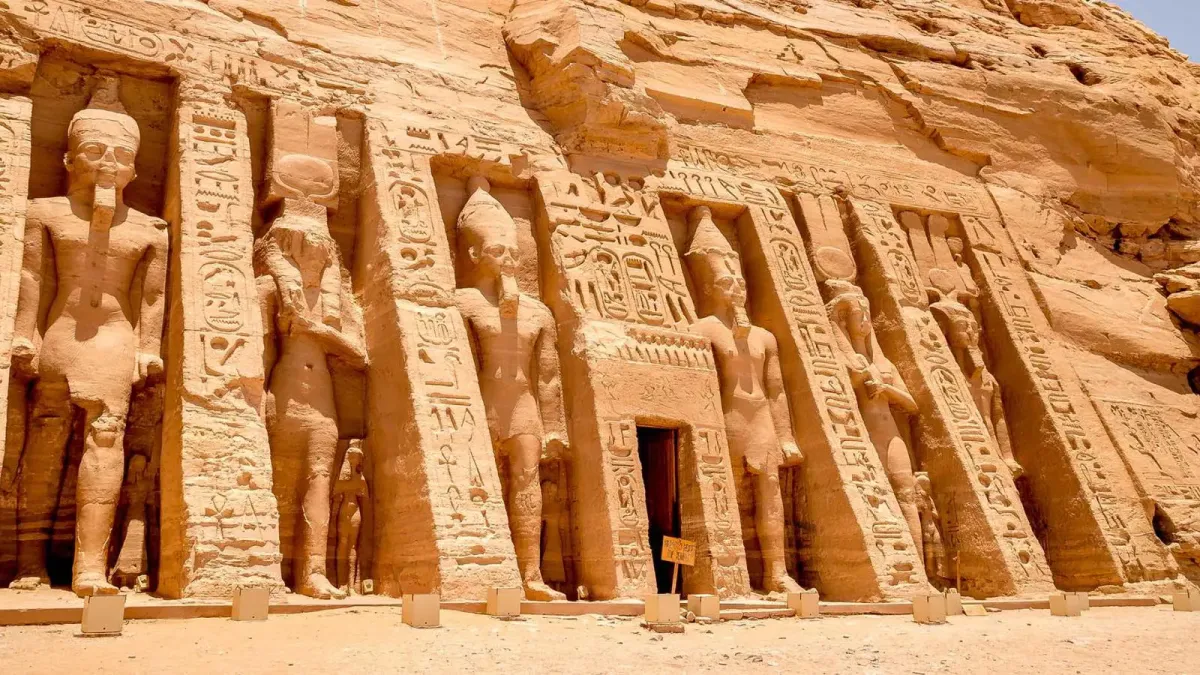
Visiting ancient Egypt at its best, travelling to Abu Simbel from Aswan provides travellers with a real look into the past, the Great Temple of Abu Simbel is famous for its enormous statues of Ramses II and its neighbour, the temple of Queen Nefertari, is impressive for its carvings dedicated to Hathor. Abu Simbel is usually visited in one of the Aswan Day Tours, as it is around 280 km south of Aswan, and for both history fans and photographers it's an essential point in a great Egypt Travel Guide.
Where is Abu Simbel situated and what is it famous for?
Abu Simbel is located in southern Egypt close to the Sudanese border on the western bank of the River Nile's reservoir, Lake Nasser. Abu Simbel is among Egypt's premier archaeological sites and forms part of the Nubian Monuments, recognized by the UNESCO world heritage status. The area is famous worldwide for two rock cut temples carved out of mountainside during the 13 th century BCE under Ramesses II. The former is the colossal Great Temple of Abu Simbel devoted to the pharaoh and has a facade fronted by four huge sitting statues representing the powerful, divine king. The latter is the Temple of Queen Nefertari which is a monument to the king's spouse alongside a worship of the goddess Hathor demonstrating women's vital place within the pharaohs regime.
Another reason Abu Simbel is infamous for is an impressive and renowned rescue plan undertaken in the 1960's. When the High Dam was erected and Lake Nasser began to rise, the sites were in danger of being lost beneath water. This world renown feat moved both temples from its former foundations to higher ground and was achieved by International Engineering. As well as the monumental scale of such a plan,Abu Simbel stands today as a monument to the excellence of ancient Egyptian engineering and the capability of a global partnership in the world of preservation.
Getting from Aswan to Abu Simbel
There are various ways to get to Abu Simbel from Aswan:
1. By road: the distance from Aswan to Abu Simbel is 280 km and it take three hours and half to four hours depending of the car; it is the common way for Aswan Day Tour.
2. Private Egypt tour: this one allows for a comfort trip and guide; it is the best option for tourist interested in photography and history.
3. By plane: one short (forty five minutes) flight from Aswan; only some are available.
When it is the best time to visit Abu Simbel temples:
1- The most recommend time for visiting Abu Simbel temples is from October to April.
2- Winter is the best time due to its wonderful weather.
3- Spring is good to visit but slightly warm.
4- Summer it extremely hot and it's better to avoid the summer months.
5- Sun Festival Abu Simbel: this great phenomenon is occurring twice a year and gains worldwide recognition.
What you can expect when visiting Abu Simbel
If you're aiming for a truly unique experience of Egyptian history - and particularly if you're keen on ancient history and sites included in the UNESCO World Heritage list- then Abu Simbel is definitely something for you. Typically, most tourists embark on an early morning coach trip or domestic flight from their accommodation to Abu Simbel so they can reach the temples before the scorching desert heat makes visiting the sites practically impossible.
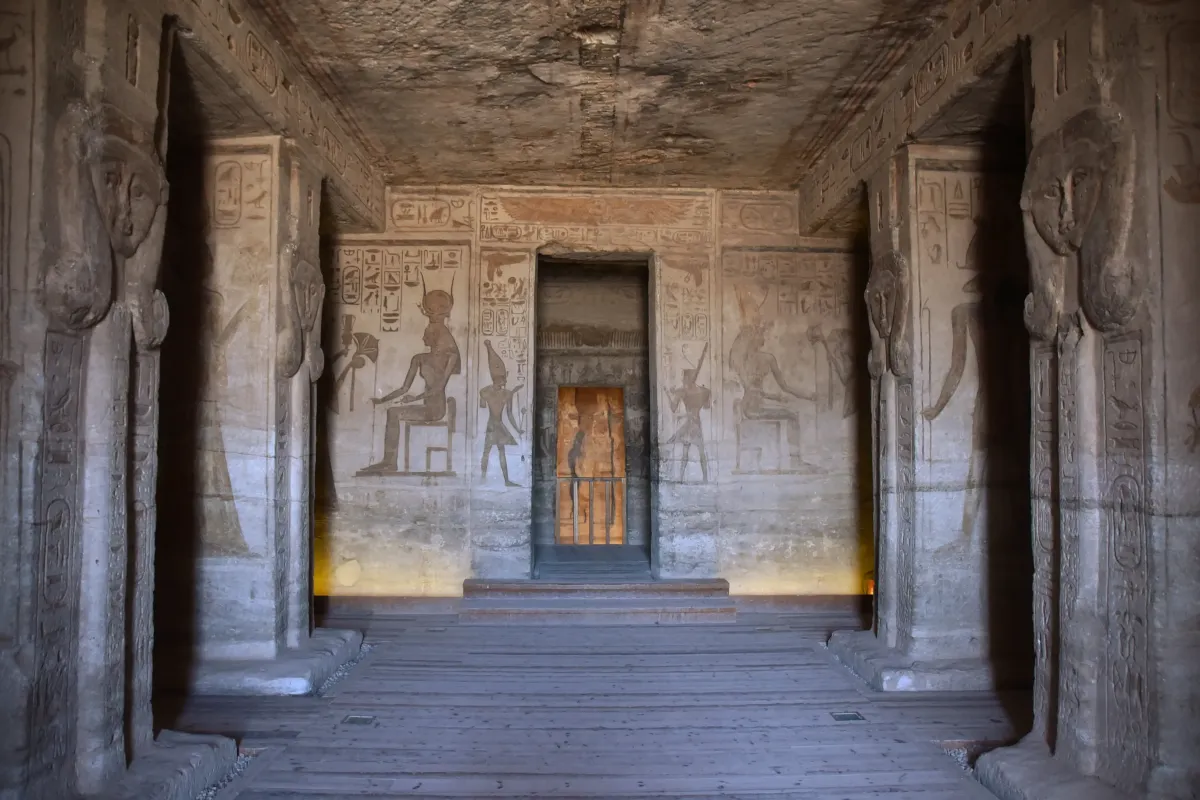
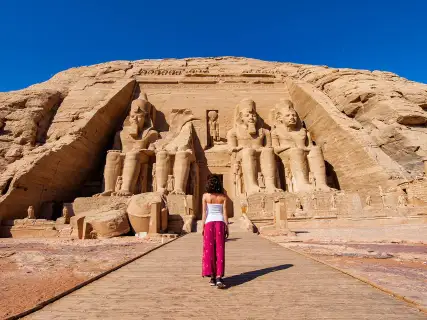
When you arrive at Abu Simbel, you can't help but stare at the immense rock-cut facade of the Great Temple of Ramses II; a vast expanse dominated by four giant statues of a seated king. Venture inside and the temple walls are adorned with intricately carved images depicting military victories, religious ceremonies and gifts to the old gods. Nearby, you'll find a more delicately composed architectural masterpiece-the Temple of Queen Nefertari, a focal point of tours around Egypt.
Be prepared to have your bags scanned when entering the site, and you'll likely also hear lectures on the amazing engineering required to relocate both temples in the 1960's; the rising water levels of Lake Nasser had threatened to inundate the monuments forever. Make sure to take comfortable shoes, lots of water and adequate sunscreen, and the result will be an unforgettable trip to Abu Simbel.You really can't leave Abu Simbel out of a tour plan of Egypt; the feeling you will leave with is guaranteed to last.
Best Places to Visit Near Abu Simbel in Aswan
If you are visiting Abu Simbel, there are several important landmarks in Aswan that you can easily include in your travel plan.
One of the most popular sites is the Philae Temple. This beautiful temple is located on an island in the Nile and is dedicated to the goddess Isis. Visitors usually reach it by boat, which adds to the experience.
Another major landmark is the Aswan High Dam. It is one of Egypt’s most important modern engineering projects and created Lake Nasser, which also helped protect Abu Simbel from flooding.
You can also visit the Unfinished Obelisk. This site shows how ancient Egyptians carved massive stone monuments and gives insight into their building techniques.
For cultural history, the Nubian Museum is a great stop. It displays Nubian heritage, traditions, and artifacts from the region.
A relaxing option is Elephantine Island, which offers ancient ruins, green landscapes, and traditional Nubian villages.
Travel Tips for Visiting Abu Simbel
1- Begin your visit early: Most visitors set out from Aswan in the pre-dawn hours to make it to Abu Simbel in the morning. In doing so you will most likely miss out on some of the fiercest desert heat in and gain the most comfortable visit possible.
2- Select appropriate transportation: Visitors can take a bus, go on a convoy, or take a domestic flight. While the domestic flight is the fastest mode of travel, it is also more expensive; bus transportation is far more affordable and the normal mode of travel found in Egypt tour packages.
3- Bring along water and sun protection:The region remains exceptionally hot and dry for most of the year so it's essential to bring along water, sun protection (sunscreen, hat, etc.) and sunglasses.
4-Wear walking shoes: Sandy and rocky terrain is all over the temple sites so it is best to wear shoes suitable for walking, particularly when going on tours.
5- Aim to attend the sound and light show: If feasible, plan to stay until after the sun sets, when the famed sound and light show will be presented. It makes for a striking narrative of the temples and is a popular feature on many Abu Simbel tours.
By using these travel suggestions, you will find yourself more satisfied with your Abu Simbel tour.






-webp.webp "Hilton")
-webp.webp "dusit")
-webp.webp "Marriott Hotels")
-webp.webp "Azimut Hotel")
-webp.webp "Golden Tulip")
-webp.webp "sheraton")
-webp.webp "westin hotel")
-webp.webp "Movenpick")